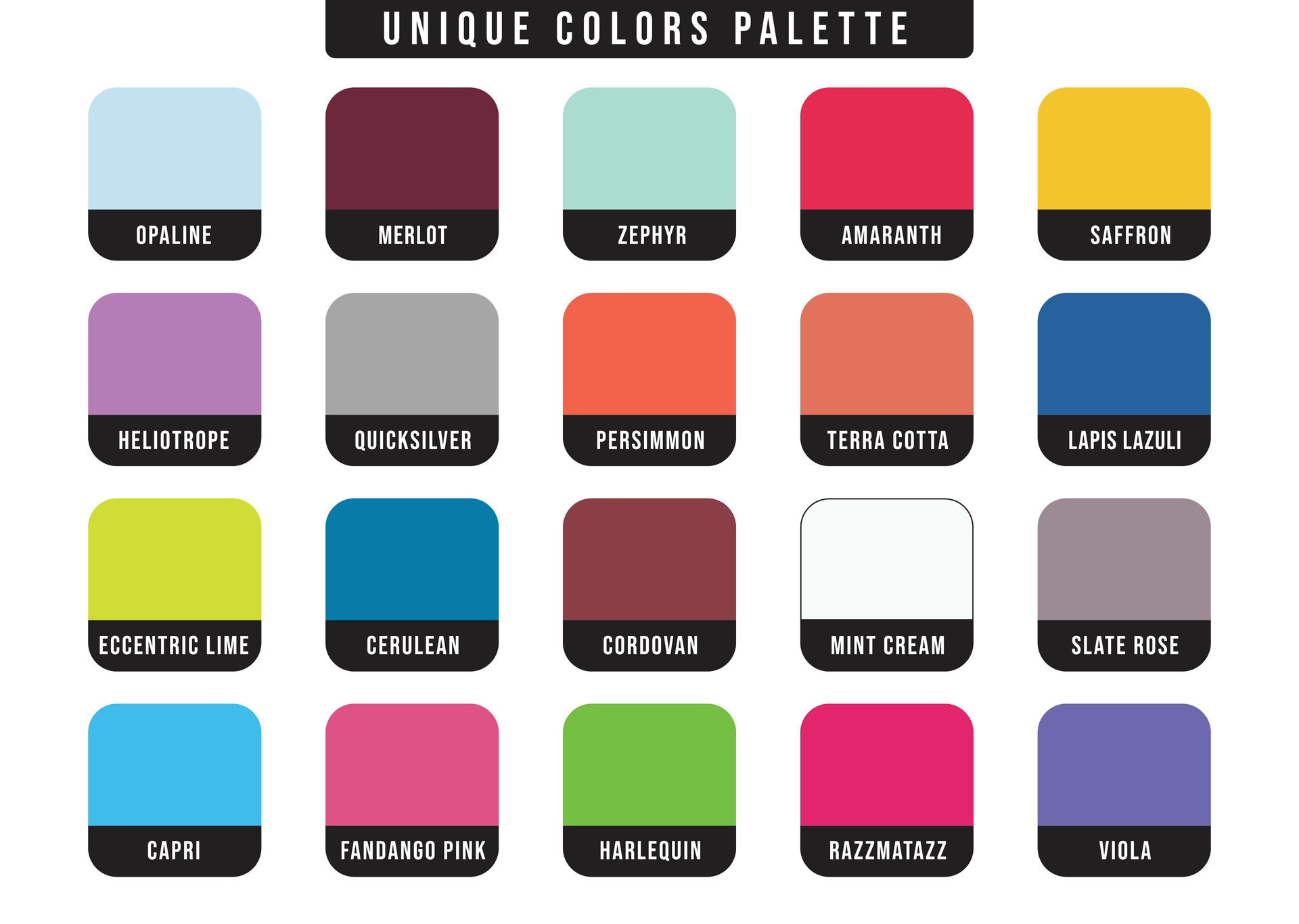
When people search for the longest color name in the world, they usually expect a single, universally accepted chemical or spectral term that spans dozens of letters. In reality, human color nomenclature splits into rigid industrial standards and playful, internet-born descriptors like mantis whisper green. Standard color spaces rely on hex codes, RGB values, and CMYK ratios to define appearance precisely, while linguistic creations test the limits of how many descriptive modifiers human language can chain together.
Understanding why long color names exist requires looking at the intersection of pigment history, digital design, and lexical creativity. This breakdown explores how complex color identifiers emerge, where formal color registries draw the line, and why descriptive phrases capture our imagination.
Defining Color Length: Words Versus Hex Codes
Computers don't care about poetic names; they use numerical coordinates. A hex code like #002FA7 or an RGB triplet translates to an exact point within a color model. However, human language thrives on metaphor.
When a color title grows exceptionally long, it usually follows a specific linguistic formula: a modifier for saturation, a base descriptor, and a poetic intensifier. For example, shade titles from paint manufacturers and digital hobbyists often stack terms to evoke a precise mood rather than a strict scientific wavelength.
- The Modifier: Sets the tone or intensity (e.g., whisper, deep, vivid).
- The Inspiration: Connects the shade to a natural object or creature (e.g., mantis, emerald, fern).
- The Anchor: Specifies the broad spectral family (green, blue, red).
Formal Standards Versus Internet Nomenclature
Official color matching systems like Pantone or the National Bureau of Standards (NBS) maintain strict naming conventions to prevent supply chain confusion in manufacturing and design. These organizations prefer concise, functional labels.
On the other hand, online communities and niche aesthetic subcultures generate sprawling compound descriptors. Terms referencing natural camouflage, such as mantis-inspired hues, rely on cultural associations with the insect world. While you won't find excessively long poetic phrases in industrial paint catalogs, they flourish in digital design spaces where creators seek unique branding or evocative storytelling tools.
Why Long Color Names Captivate Us
Linguists and psychologists note that humans use descriptive color names to bypass the limitations of basic vocabulary. While basic color terms in any language are finite, our perception of nuance is infinite.
- Emotional Resonance: Words like whisper or shadow assign a quiet, intangible quality to a visual tone.
- Visual Memory: Complex names help artists and designers anchor specific emotional memories to a digital swatch or physical pigment.
- Lexical Play: Combining multiple adjectives turns a simple design choice into a creative exercise.
Common Misconceptions About Color Names
Many internet lists claim specific chemical compounds hold the record for the longest name. While systematic names in organic chemistry can span hundreds of letters, they name molecules rather than marketable color swatches.
Another frequent myth is that every long color name has an official standing in the color wheel. In truth, many extended names are localized project identifiers, digital placeholders, or community-driven memes that spread across blogs without formal backing from color institutions.
Frequently Asked Questions
What is the longest official color name recognized by standard registries?
Most formal registries cap color names at two to three words, such as light goldenrod yellow or sacramento state green, which span around twenty to twenty-two characters. Extremely long phrases are almost always colloquial or digital inventions.
Why do digital designers use descriptive color names?
Descriptive names provide immediate emotional context that hex codes and RGB numbers lack. They help teams communicate mood and aesthetic intent faster during the early stages of a project.
Are chemical IUPAC names considered color names?
No. While IUPAC names for complex organic dyes can be exceptionally long, they describe molecular structures rather than acting as practical color descriptors for artists or manufacturers.
Do color names change across different cultures?
Yes. Different languages carve up the visible light spectrum in unique ways, meaning a descriptive phrase in English often lacks a direct structural equivalent in other linguistic systems.