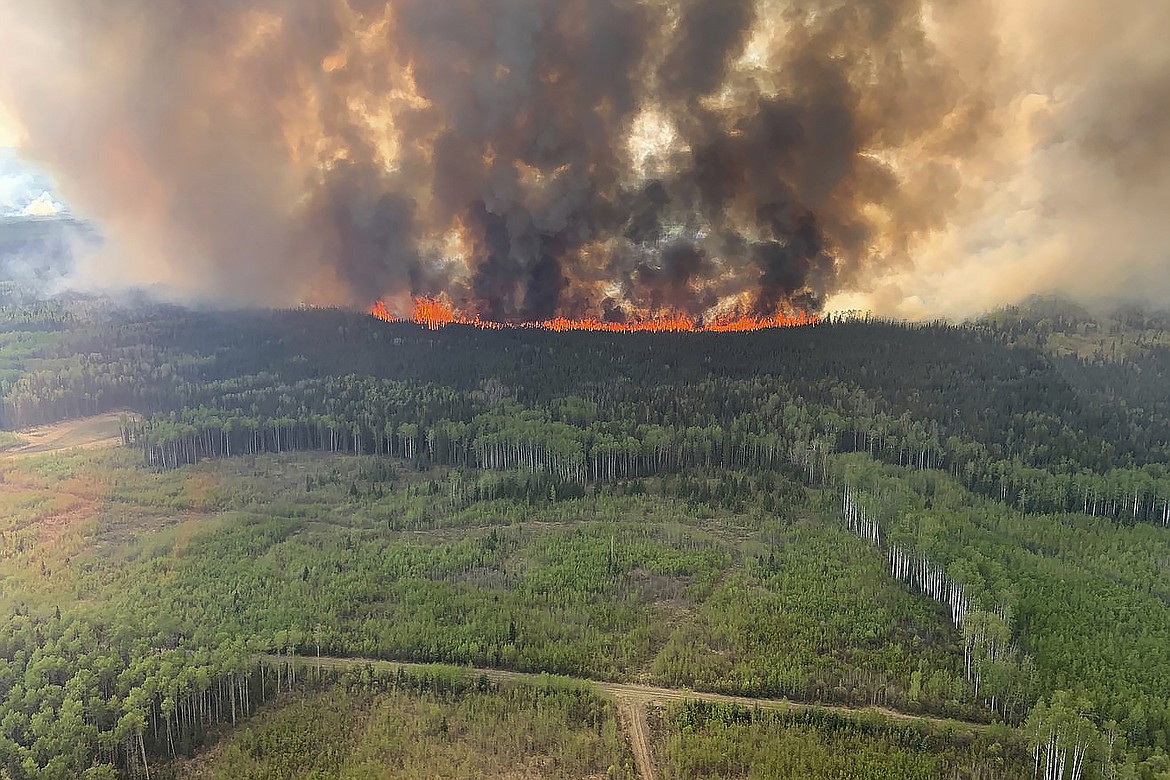
Living in Southern California means staying ready for when Santa Ana winds push dry brush toward populated corridors. When red flag warnings trigger wildfire threats near Long Beach, seconds matter, and knowing your exact evacuation routes and alert channels keeps you safe. Let's break down everything you need to know about navigating fire seasons, monitoring official channels, and hardening your home against fast-moving flames.
Long Beach doesn't sit directly inside a high-severity mountain brush zone, but regional fires driven by offshore winds can rapidly push heavy smoke and ember storms across the basin. Eastern neighborhoods and transit arteries face direct vulnerability when regional blazes flare up in nearby hills or riverbeds. Understanding local geography and municipal emergency plans helps you cut through panic and make clear decisions when authorities issue warnings.
Emergency Alert Systems and Real-Time Tracking
Getting reliable information early gives you the edge during an unfolding wildfire. Relying on social media rumors or delayed news feeds wastes precious time.
You should sign up for AlertLB, the city's official notification platform, to receive direct texts, phone calls, and emails regarding neighborhood-specific evacuation warnings and orders. This system integrates directly with countywide feeds like Ready LA County to ensure you receive synchronized updates across municipal boundaries.
During active incidents, monitor these official channels for real-time situational awareness:
- Long Beach Fire Department (LBFD): Check their official social media pages and public information portal for perimeter maps and active fire spread.
- Cal Fire Incident Updates: Review statewide CAL FIRE incidents to track regional wind patterns and major containment milestones.
- Local Emergency Broadcasts: Keep a battery-powered or hand-crank radio tuned to local emergency broadcast stations for instructions if cellular towers experience outages.
Evacuation Routes and Traffic Management
When officials issue mandatory evacuation orders, leaving immediately is non-negotiable. Hesitating traps you in gridlock as smoke reduces visibility and emergency vehicles crowd main roads.
Major transit corridors like Interstate 405 and Pacific Coast Highway (PCH) serve as primary regional evacuation arteries, but neighborhood side streets act as crucial feeders. Traffic control officers deploy to key intersections during major incidents to direct flow, but you shouldn't rely on getting turn-by-turn GPS routing if cell towers drop.
Keep these practical evacuation rules in mind:
- Keep your fuel tank full: Never let your vehicle drop below half a tank during peak wildfire season. Gas stations rely on grid power, which can fail during public safety power shutoffs.
- Map alternative paths: Identify at least two distinct driving routes away from your neighborhood toward coastal or low-risk zones.
- Pack your vehicle ahead of time: Load your emergency go-bag and pets into the car as soon as a voluntary evacuation warning hits so you can leave instantly if an order drops.
Utility Shutoffs and Power Safety
Utility providers often execute Public Safety Power Shutoffs (PSPS) when extreme heat, low humidity, and high winds create catastrophic ignition risks. Southern California Edison evaluates wind speeds, humidity thresholds, and real-time field data before cutting power to high-risk circuits.
When power goes out, traffic lights fail and home garage doors won't open automatically. You need to know how to manually override your garage door using the emergency release cord. Stock up on battery-powered lanterns or solar-charging units instead of candles, which pose a severe secondary fire hazard during high winds.
Health Protection: Managing Smoke and Air Quality
Wildfire smoke carries fine particulate matter (PM2.5) that penetrates deep into your lungs and bloodstream, triggering severe respiratory distress even miles away from the active burn zone.
Check air quality indexes using official tracking tools like AirNow before heading outdoors. If the index reaches unhealthy levels, protect your household with these concrete measures:
- Wear proper respirators: Cloth masks and standard surgical masks won't block microscopic smoke particles. Keep a supply of NIOSH-approved N95 or KN95 masks on hand for outdoor exposure.
- Seal your indoor air: Keep all windows and exterior doors tightly closed. Run high-efficiency particulate air (HEPA) purifiers in bedrooms and main living spaces.
- Avoid indoor pollutants: Don't vacuum during heavy smoke events, as standard vacuums kick settled fine dust back into the air. Skip frying food or burning candles indoors.
Property Hardening and Defensible Space
Mitigating wildfire risk starts long before a red flag warning hits your phone. Embers carried by high winds can travel up to a mile ahead of a main fire front, igniting vulnerable spots on residential properties.
Create clear defensible space around your home by clearing dry brush, fallen leaves, and combustible debris from your yard and gutters. Embers frequently ignite homes by landing on dry roof material or slipping through vulnerable attic vents.
Key home hardening steps include:
- Install ember-resistant vents: Replace standard louvers with fine metal mesh screens (one-eighth inch or smaller) to prevent burning embers from entering your attic or crawl spaces.
- Clear roof and gutters: Clean out pine needles and dry leaves weekly throughout the peak dry season.
- Manage landscaping: Maintain a non-combustible zone within five feet of your foundation by using gravel, pavers, or succulents instead of flammable shrubs and wood mulch.
Common Mistakes to Avoid
Panic and poor preparation lead to dangerous errors during fast-moving wildfire events. Avoid these frequent pitfalls:
- Waiting for an official knock: Police officers and firefighters cannot knock on every door during rapid fire spread. If you feel unsafe or receive an evacuation warning, leave early.
- Clogging main roads with trailers: If you tow a recreational vehicle or boat, you risk blocking narrow evacuation corridors. Leave large trailers behind unless you have an immediate, pre-planned towing setup.
- Ignoring pets in your plan: Plan where your pets will go. Shelters have varying rules for animals, so identify pet-friendly hotels or emergency boarding options outside the hazard zone ahead of time.
Frequently Asked Questions
What should I pack in my wildfire go-bag?
Pack essential medications for at least seven days, paper copies of important identification and insurance documents, a first-aid kit, non-perishable food, bottled water, phone chargers, and a flashlight. Keep this bag in an easily accessible spot near your primary exit.
How do I know if my specific neighborhood is under an evacuation order?
Monitor local emergency alerts via AlertLB and check live municipal GIS mapping tools provided by the city and county fire departments. Law enforcement agencies also post active zone updates on social media channels during unfolding incidents.
Can I stay in my home if a mandatory evacuation is issued?
Staying behind during a mandatory evacuation puts your life at extreme risk and overburdens emergency responders who may be forced to attempt risky rescue operations. First responders cannot guarantee aid to residents who ignore evacuation orders.
What should I do if I am driving and get trapped by wildfire smoke?
Pull over safely to the side of the road away from dense brush and trees. Turn on your headlights and hazard flashers, stay inside your vehicle with the windows and vents completely closed, and lie down on the floorboards while covering yourself with a wool blanket or coat until the smoke front passes.