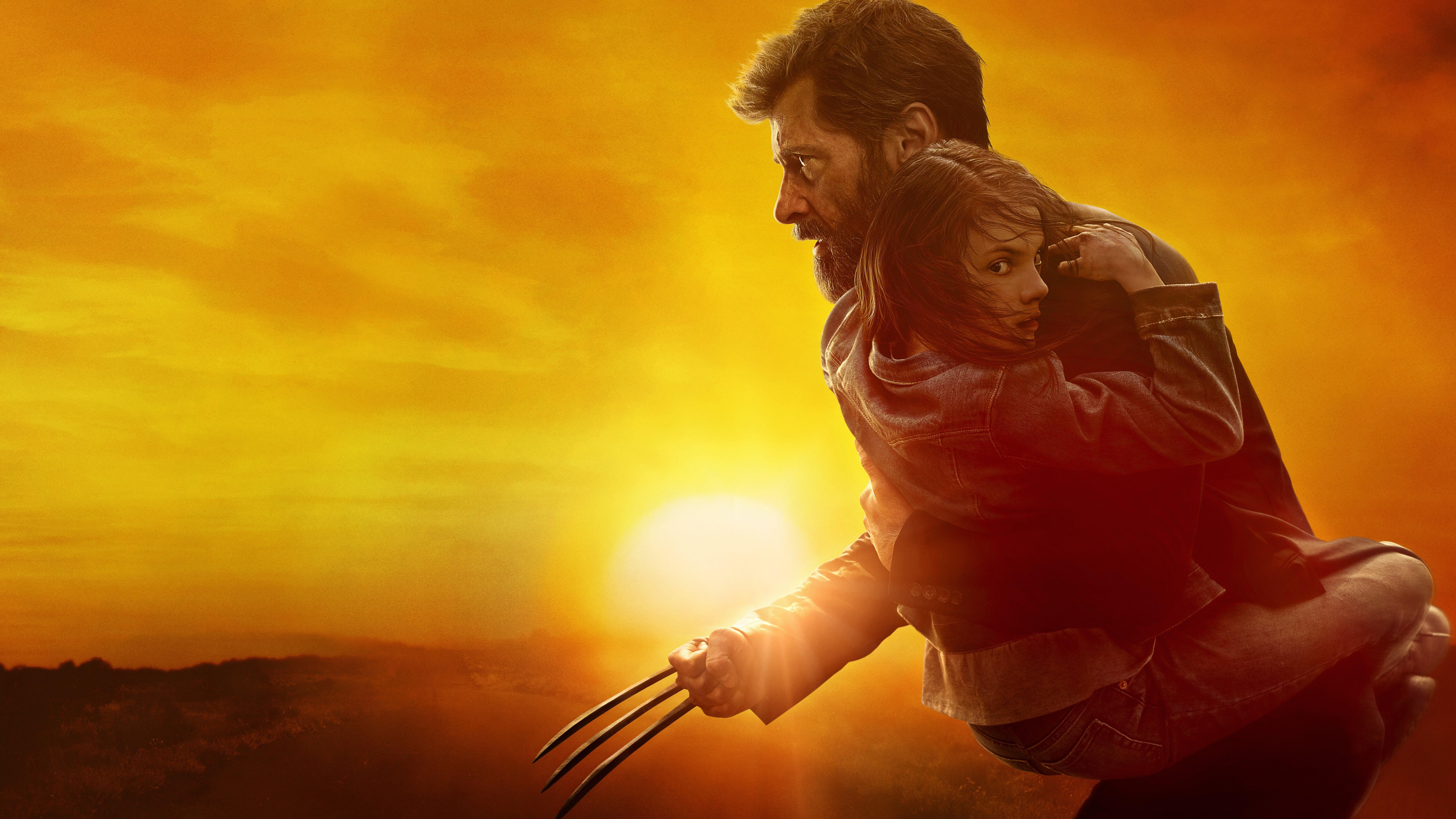
Logan Marshall-Green carved out a distinct space in modern cinema by bridging the gap between gritty independent character studies and high-concept studio tentpoles. While blockbusters often rely on interchangeable faces to serve CGI spectacles, Marshall-Green brings a raw, tactile intensity that anchors high-budget worlds. From Ridley Scott's sci-fi epics to Marvel's sprawling comic book adaptations, his career offers a masterclass in how a character actor shapes modern blockbuster storytelling.
Understanding his impact requires looking past basic filmographies to examine how physical performance, genre versatility, and technical execution drive multi-million-dollar narratives forward. Rather than fading into the background of digital effects, he uses posture, vocal cadence, and vulnerability to ground speculative fiction in human reality.
The Physicality of Sci-Fi and Action Tentpoles
Modern blockbusters depend heavily on physical commitment, particularly when actors share the screen with tennis balls on sticks or motion-capture rigs. Marshall-Green mastered this dynamic early, notably playing Charlie Holloway in Ridley Scott's Prometheus (2012). Holloway represents the dangerous edge of scientific hubris—curious, reckless, and intensely physical.
Instead of playing the archetype as a sterile academic, Marshall-Green infused him with an impatient, blue-collar swagger. That physical grounding made his subsequent infection and bodily horror far more visceral for audiences. When blockbusters rely on grand concepts like deep-space creation or alien pathogens, actors must sell the reality of the threat through immediate physical reaction.
This kinetic screen presence translated directly into lower-budget indie sci-fi that heavily influenced studio aesthetics, such as Leigh Whannell's Upgrade (2018). Playing Grey Trace—a man fused with an artificial intelligence that controls his body—required Marshall-Green to perform rigid, robotic choreography that mirrored computer-assisted movement. The performance blurred the line between human actor and mechanical special effect, demonstrating a unique technical precision that many mainstream action stars lack.
Transitioning from Television Roots to Franchise Villains
Before breaking into major studio features, Marshall-Green honed his craft in demanding television arcs, including Fox's The O.C. and the real-time thriller 24. Television teaches actors how to command attention in crowded scenes and manage high-stakes pacing. When he entered the Marvel Cinematic Universe as Jackson Brice (the first iteration of the Shocker) in Spider-Man: Homecoming (2017), he brought that grounded TV-drama grit to a standard villain role.
Blockbuster villains often suffer from two-dimensional writing, constrained by the need to service the hero's journey. Marshall-Green countered this limitation by leaning into blue-collar frustration. As a disgruntled tech-scavenging criminal operating in the shadow of Tony Stark's global empire, his performance reflected the economic anxiety of the ordinary people left behind by superhero collateral damage.
- Grounded Antagonism: Avoiding cartoonish villainy in favor of pragmatic desperation.
- Ensemble Integration: Sharing screen space with headline stars without losing distinct character identity.
- Pacing Economy: Maximizing brief screen time to establish memorable franchise texture.
Elevating Mid-Budget Thrillers as Narrative Anchors
Blockbuster storytelling isn't restricted to 200-million-dollar superhero films; it also thrives in high-concept mid-budget genre cinema. Marshall-Green became a staple of psychological tension, starring in Karyn Kusama's critically acclaimed dinner-party thriller The Invitation (2015). As Will, a grieving man swimming in paranoia and grief, he anchors a narrative where the primary special effect is suffocating psychological dread.
By anchoring these tightly wound thrillers, he proves that blockbuster-adjacent storytelling relies just as heavily on reaction shots, silence, and emotional restraint as it does on explosions. When directors need audiences to believe impossible scenarios, they cast actors who can project interior turmoil cleanly on camera. This dependability explains why major studios trust him to support complex ensemble casts across disparate genres.
Directorial Influence and Behind-the-Lens Perspective
An actor's ability to serve a blockbuster narrative often improves when they understand how films are constructed from the director's chair. Marshall-Green made his feature directorial debut with Adopt a Highway (2019), starring Ethan Hawke. Writing and directing a quiet, contemplative character study gave him an acute awareness of frame composition, pacing, and editorial rhythm.
Understanding the mechanics of editing and visual framing changes how an actor behaves on a massive soundstage. When working opposite green screens or complex visual effects sequences, directors need performers who understand where the frame edges lie and how editorial pacing dictates action choreography. His behind-the-camera experience reinforces his utility as a modern cinematic utility player.
Common Misconceptions About Modern Character Actors
Audiences often assume that actors in big-budget films simply follow director cues and digital instructions, overlooking the substantial interpretive work required to humanize franchise scripts.
- Myth: Physical blockbusters require minimal emotional depth.
- Reality: Physical acting in CGI-heavy environments demands intense internal focus to make artificial stakes feel authentic.
- Myth: Character actors in blockbusters are easily replaced by digital doubles.
- Reality: Unique vocal rhythms and distinctive physical choices create the emotional anchor that keeps audiences invested between action set pieces.
Frequently Asked Questions
What was Logan Marshall-Green's breakout movie role?
His major studio breakthrough came playing the scientist Charlie Holloway in Ridley Scott's sci-fi epic Prometheus (2012), which introduced him to global blockbuster audiences.
Has Logan Marshall-Green worked in the Marvel Cinematic Universe?
Yes, he played Jackson Brice, the original Shocker, alongside Tom Holland in Spider-Man: Homecoming (2017).
Did he direct any films?
He made his feature directorial and writing debut with the drama Adopt a Highway (2019), which starred Ethan Hawke.
What video game performance is he known for?
He provided the acclaimed lead live-action performance as David Smith in the interactive mystery video game Telling Lies (2019), earning a Golden Joystick Award nomination and win.



