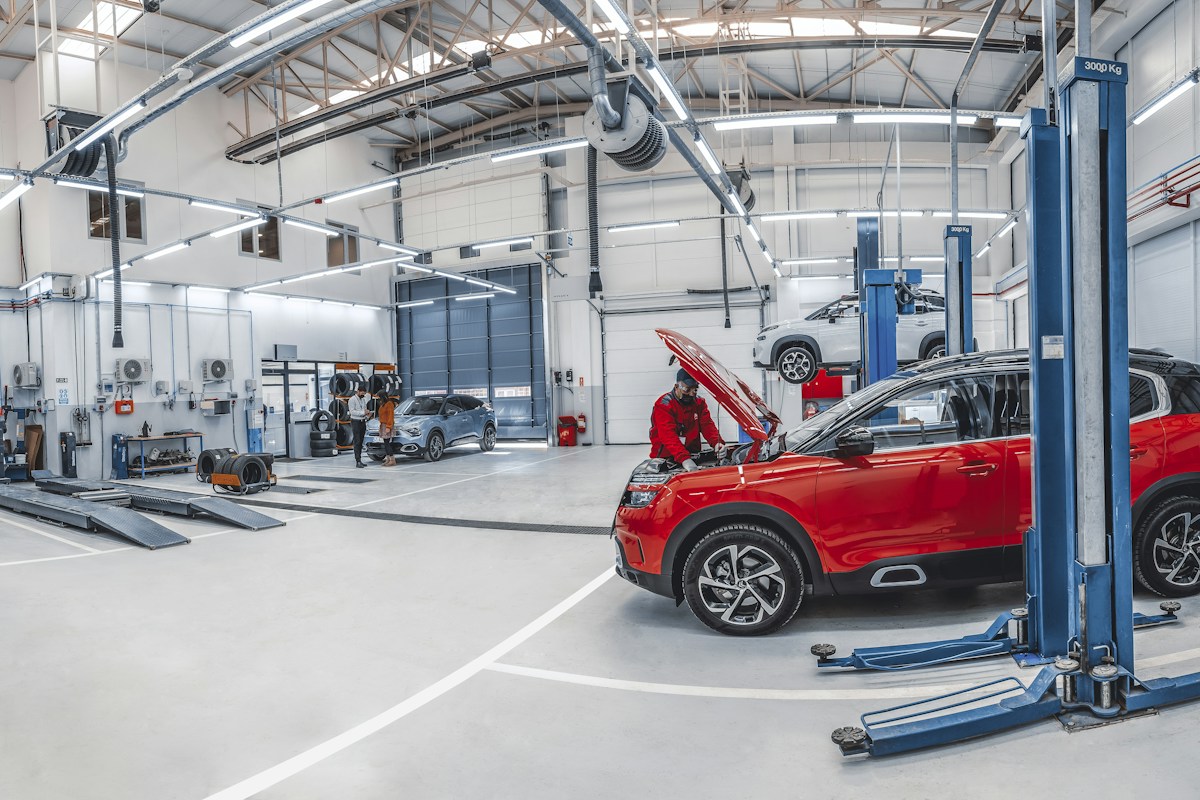
Finding the right replacement component shouldn't require guessing games or endless phone calls to local salvage yards. When a vehicle enters a repair shop with front-end damage or a blown transmission, turnaround time dictates shop profitability and customer satisfaction. Regional auto parts networks like LKQ Corporation transform how mechanics and DIY builders source components by organizing vast inventories of recycled and aftermarket parts into searchable databases.
Understanding how regional yards operate helps repair facilities streamline estimates, secure OEM components at a fraction of dealership costs, and avoid common ordering delays.
Understanding the LKQ Rockford Operations
The facility operating as LKQ Self Service Auto Parts in Rockford functions as both an auto salvage yard and a self-service retail hub for automotive components. Unlike traditional wholesale warehouses where staff pull parts behind closed doors, self-service yards allow mechanics and car owners to walk the yard, locate donor vehicles, and pull pieces themselves.
Vehicles arriving at the yard typically originate from insurance auctions, trade-ins, or end-of-life donations. Crews drain fluids, remove hazardous materials, and place the vehicles onto stands in organized rows. Buyers bring their own tools, harvest what they need, and pay fixed recycling prices.
This model serves two distinct markets:
- DIY Builders and Hobbyists: Individuals looking for budget-friendly interior trim, switches, mirrors, or mechanical assemblies for older project cars.
- Independent Repair Shops: Technicians searching for affordable mechanical dropouts or body panels to fit tight customer repair budgets.
The Digital Inventory Shift: Moving Beyond the Yard
Walking a physical lot works well for hobbyists, but professional collision and mechanical repair shops need speed and precision. Waiting until you arrive at a yard to check part availability wastes billable hours. Modern inventory networks bridge this gap by cataloging incoming donor vehicles digitally.
When vehicles are processed, major components—such as engines, transmissions, alternators, and body panels—are assigned stock numbers and entered into centralized databases. If you're searching for specific assemblies, you don't necessarily have to roam the aisles. Inventory tags track vehicle year, make, model, mileage, and specific part conditions.
Shops access these networks through online portals or specialized estimating systems like CCC One, where recycled part options appear alongside aftermarket and original equipment manufacturer (OEM) choices. This integration allows estimators to quote accurate pricing and lead times instantly.
How Salvage Inventory Streamlines Auto Repairs
Using recycled original equipment components changes the repair economics for insurance claims and customer-pay jobs alike. Brand-new OEM parts often carry steep markups and long shipping delays from regional distribution centers. Salvage inventory solves three distinct bottlenecks in the repair workflow.
Cutting Part Acquisition Costs
New OEM fenders, hoods, and bumper covers can inflate repair estimates past total-loss thresholds on older vehicles. Recycled OE parts match factory specifications for fit and finish without the high price tag. Because these parts come straight from factory builds, they require less adjustment and body filler during installation compared to some poorly stamped aftermarket alternatives.
Shortening Cycle Times
Vehicle turnaround time dictates shop capacity. Waiting weeks for a backordered factory part ties up service bays. Regional inventory networks allow parts specialists to source local or regional donor assemblies immediately, cutting transit times down to a day or two.
Preserving Factory Fitment
Aftermarket body panels occasionally present alignment issues, requiring extra labor hours for edge-trimming and test-fitting. Because recycled parts were stamped for the exact vehicle model during its original factory run, panel gaps and mounting holes match up cleanly, reducing installation friction for technicians.
Common Pitfalls When Sourcing Recycled Auto Parts
While digital inventories make sourcing easier, ordering used components requires careful verification. Overlooking key details leads to wrong parts, delayed repairs, and frustrated customers.
- Ignoring VIN Specifics: Mid-year production changes can alter wiring harnesses, transmission sensors, or brake configurations. Always cross-reference the donor vehicle's VIN with the target vehicle.
- Skipping Mileage Checks: High-mileage mechanical assemblies like engines or alternators carry a higher risk of premature failure. Check the donor vehicle's recorded odometer reading before purchasing.
- Overlooking Warranty Terms: Reputable recycled parts suppliers offer standard replacement warranties or return windows



