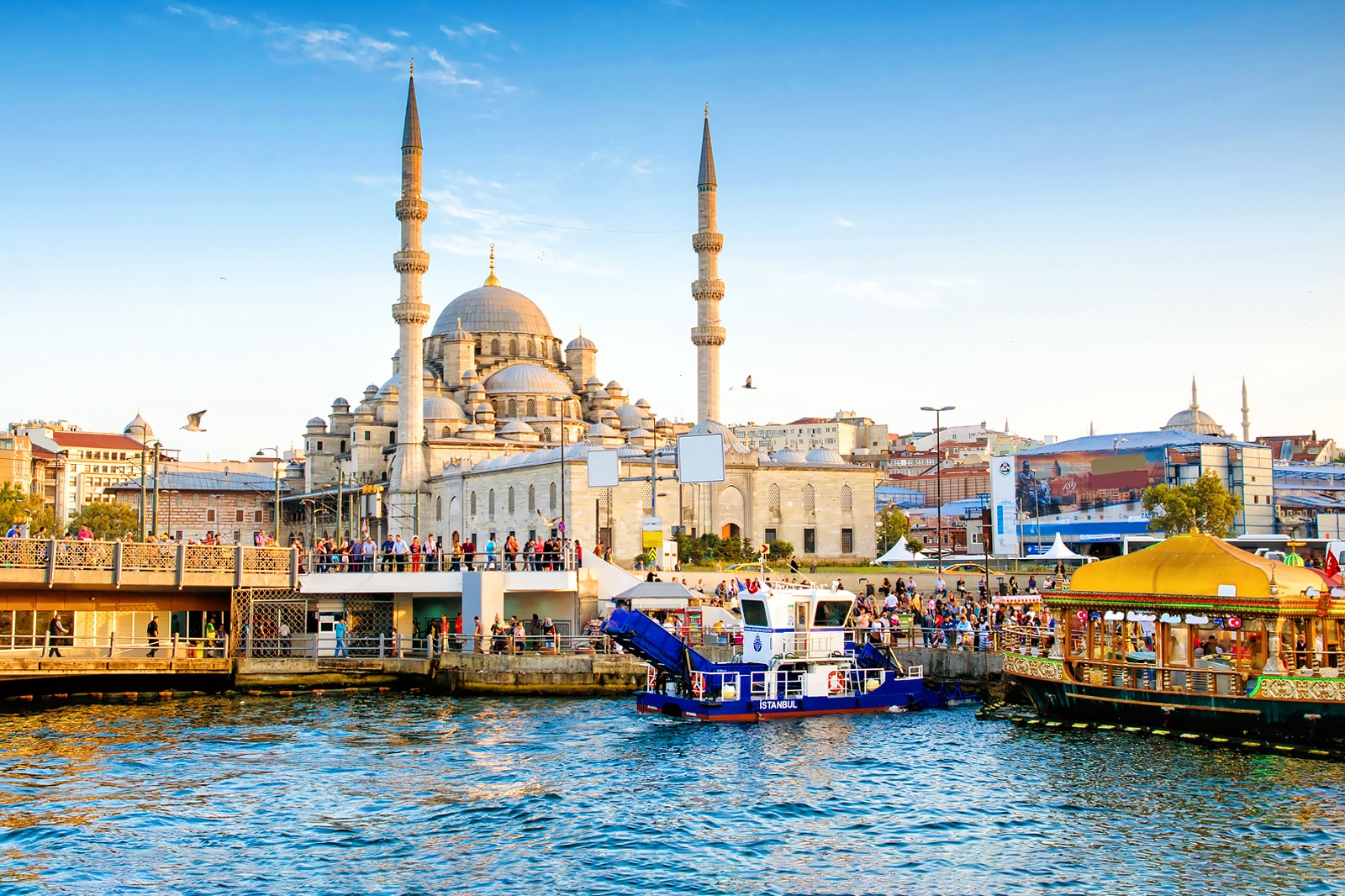
Moving to Istanbul is a high-reward, high-friction endeavor. The city bridges two continents, offers a world-class culinary scene, and provides deep historical resonance, yet it simultaneously tests residents with severe inflation, intense traffic congestion, and bureaucratic hurdles. Whether Istanbul is a good place to live depends entirely on your financial cushion, your patience with urban chaos, and your ability to navigate cultural nuances.
At its core, Istanbul works best for remote workers earning foreign currency, digital entrepreneurs, and adventurous expats who embrace unpredictability. If you're moving with a local Turkish salary, the ongoing economic climate and currency depreciation create severe financial pressures. Below is an unvarnished breakdown of what daily life actually looks like, covering neighborhood dynamics, real living costs, logistical hurdles, and lesser-known local realities.
The Neighborhood Breakdown: Where to Live
Choosing the right district dictates your daily experience. Istanbul spans two continents—European and Asian—with the Bosphorus Strait dividing them. Each side and neighborhood offers a distinct lifestyle.
Kadıköy (Asian Side)
Kadıköy has emerged as the cultural heartbeat for younger locals, artists, and expats seeking a progressive, community-oriented atmosphere. It features independent coffee shops, vinyl stores, historic markets, and a lively seaside promenade. Ferries connect Kadıköy directly to the European side, making the commute manageable if your work is centered across the water. Rent here tends to be slightly more reasonable than in prime European hotspots, though demand has driven prices up significantly in recent years.
Beşiktaş (European Side)
If you want to be in the center of the action, Beşiktaş offers incredible walkability, neighborhood markets, and immediate access to the Bosphorus. It's energetic, noisy, and youthful, housing students from Boğaziçi and Yıldız universities. Living here means you can walk to ferry terminals and major parks, but apartments are generally older, smaller, and expensive.
Şişli and Nişantaşı (European Side)
Şişli serves as a major commercial and residential hub, while its upscale sub-district Nişantaşı functions as Istanbul's fashion and luxury district. Think Parisian-style cafes, high-end boutiques, and tree-lined avenues. It's safe, well-connected via the M2 metro line, and popular with corporate expats and affluent families.
Cihangir and Beyoğlu
Perched near Taksim Square, Cihangir has long been the bohemian enclave for writers, artists, and foreign journalists. It's charming, filled with stray-cat-friendly cobblestone streets and eclectic cafes. However, steep hills, nightlife noise, and proximity to tourist-heavy zones make it a polarizing choice for long-term residents.
Cost of Living and Financial Realities
Life in Istanbul is no longer the cheap expat haven it was a decade ago. High inflation rates have transformed pricing structures across rent, groceries, and services.
- Housing: Rent varies wildly based on earthquake resilience, location, and building age. Newer developments with seismic retrofitting command massive premiums. Foreigners must also account for complex residence permit rules tied to specific rental registration (noter and nüfus procedures).
- Utilities: Electricity and natural gas costs spike during winter months due to heating demands. Insulation in older Turkish apartments is often poor, leading to high utility bills from December through March.
- Food and Dining: Local produce at neighborhood street markets (pazar) remains affordable and exceptionally fresh. Supermarket chains and imported goods carry steep price tags. Dining out at local neighborhood spots (esnaf lokantası) is budget-friendly, while trendy spots in Kadıköy or Bebek rival Western European pricing.
According to data published by the Turkish Statistical Institute, consumer price indices have fluctuated dramatically, making financial predictability a primary challenge for residents earning in local currency.
Navigating Infrastructure and Daily Friction
Living here means accepting infrastructure challenges that can wear down even the most patient newcomers.
Traffic and Transportation
Istanbul's traffic is legendary. The city relies on an extensive public transit network—including ferries (vapur), the Metrobus, underground metro lines, and trams—that saves residents from gridlock. However, crossing the Bosphorus during rush hour via bridges or the Marmaray underwater tunnel is a high-density endurance test. Securing an Istanbulkart transit card is your first priority upon arrival.
Seismic Awareness
Istanbul sits near the North Anatolian Fault line, making earthquake preparedness a permanent fixture of local life. When inspecting apartments, prioritize buildings constructed after strict modern seismic codes were introduced in 2000, or buildings that have undergone official structural engineering certifications.
Hidden Gems Beyond the Tourist Trail
Most visitors experience only the historical peninsula of Sultanahmet or Istiklal Avenue. Living here unlocks quieter, authentic corners:
- Atatürk Arboretum: A massive living plant museum in Sarıyer filled with tranquil lakes and thousands of tree species, offering an escape from urban noise.
- Moda Coastal Park: On weekday mornings, locals gather along the Kadıköy shoreline to drink tea, watch cargo ships navigate the Marmara Sea, and listen to street musicians.
- Kuzguncuk: A peaceful Bosphorus-side neighborhood on the Asian side featuring colorful Ottoman-era wooden houses, community gardens, and quiet bakeries untouched by commercial overdevelopment.
For official cultural events, heritage site openings, and municipal updates, consult the Republic of Turkey Ministry of Culture and Tourism portal.
Frequently Asked Questions
Is it easy to live in Istanbul without speaking Turkish?
You can survive in central districts like Kadıköy, Beşiktaş, or Şişli using English, especially among younger populations and service workers. However, dealing with utility companies, landlords, government offices, and local neighborhood tradespeople requires learning basic Turkish or relying heavily on translation apps.
What are the visa and residency requirements for expats?
Tourist visas allow stays of up to 90 days within a 180-day period for many nationalities. Long-term living requires securing a short-term residence permit (ikamet), which involves proving valid health insurance, showing proof of financial self-sufficiency, and submitting a verified lease agreement. Immigration regulations update frequently, so reviewing guidelines via the Republic of Turkey e-Visa and Directorate General of Migration Management is essential.
How is the healthcare system in Istanbul?
Istanbul boasts world-class private hospitals with internationally trained, English-speaking physicians. Private health insurance is affordable compared to North America and grants access to premium medical facilities like Acıbadem or American Hospital. Public healthcare exists (SGK), but language barriers and bureaucratic queues make private care the preferred route for most expats.
Are stray animals really everywhere?
Yes. Istanbul is famous for its population of cared-for stray cats and dogs. Neighborhoods maintain community feeding stations, and most animals are tagged, vaccinated, and ear-notched by municipal veterinary teams. Animal welfare is deeply embedded in local culture, though managing allergies or barking dogs at night requires adjustment.



