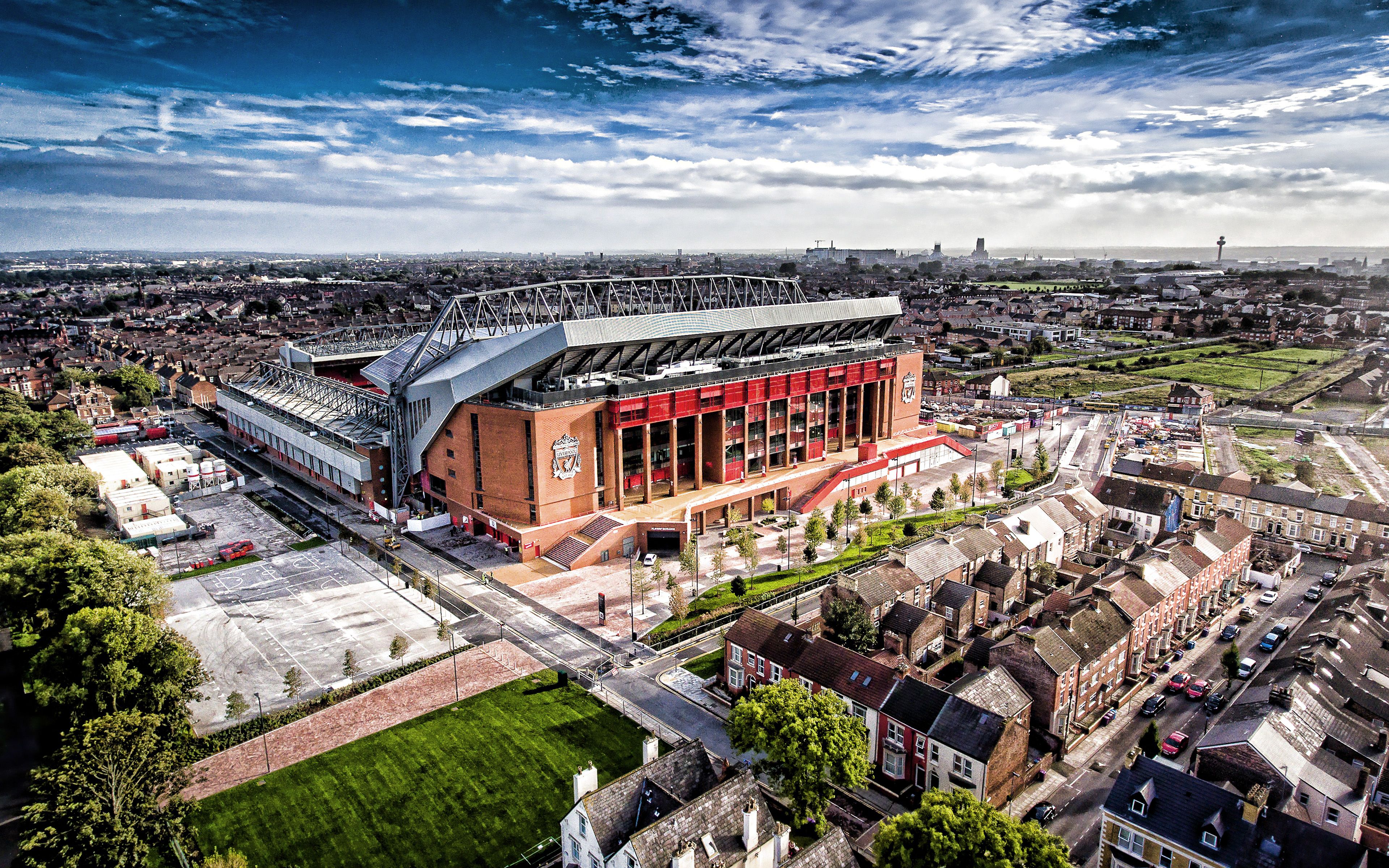
The rivalry between Liverpool and Manchester United stands as English football's most intense and culturally significant fixture. Rooted in more than a century of geographic proximity, industrial competition, and relentless trophy-hoarding, the clash between Anfield and Old Trafford transcends standard sport. It's a barometer of English football dominance.
Origins of the Fixture and Early Years
The animosity between the two cities didn't start on a football pitch. During the late 19th century, the opening of the Manchester Ship Canal threatened Liverpool's status as the region's primary port, cutting shipping fees and angering Merseyside dockworkers. This economic friction quickly bled into football.
The first-ever competitive meeting happened on April 28, 1894, in a Football League test match. Newton Heath—which later became Manchester United—had finished bottom of the First Division, while Liverpool had topped the Second Division. Liverpool won 2-0 at Ewood Park, securing top-flight status and condemning their neighbors to the lower tier.
Throughout the early decades of the twentieth century, both clubs experienced periods of sporadic success without yet establishing simultaneous dominance. Manchester United claimed their first league titles in 1908 and 1911 under Ernest Mangnall, while Liverpool responded with back-to-back titles in the early 1920s. Yet, the fixture remained a regional grudge match rather than the national title-decider it would eventually become.
The Rise of Liverpool and the Busby Era
The post-World War II landscape altered English football, with Manchester United capturing the imagination under Matt Busby. The Busby Babes built a glamorous reputation, capturing league titles in the 1950s and overcoming the tragic Munich air disaster of 1958 to win the European Cup in 1968.
Meanwhile, Liverpool languished in the Second Division until the appointment of Bill Shankly in 1959. Shankly transformed Liverpool into an industrial football machine. By the mid-1960s, both clubs were competing at the summit of English football.
The 1977 FA Cup Final at Wembley marked a turning point in the modern rivalry. Liverpool had already secured the league title and chased an unprecedented treble, including the upcoming European Cup final. Manchester United spoiled the party with a 2-1 victory, courtesy of goals from Stuart Pearson and Jimmy Greenhoff. This match established a template for the fixture: high stakes, domestic silverware on the line, and the capacity to shatter dreams.
The Era of Domestic and European Hegemony
The 1970s and 1980s belonged almost entirely to Liverpool. Under Shankly, Bob Paisley, Joe Fagan, and Kenny Dalglish, the Reds dominated domestic football and conquered Europe four times. United supporters watched anxiously as Liverpool accumulated league titles, reaching a milestone 18 championships by 1990.
Everything flipped in the 1990s and 2000s. Sir Alex Ferguson took charge at Old Trafford with a famous declaration: his greatest challenge was "knockin' Liverpool right off their f***ing perch." Ferguson delivered on that promise. United overhauled Liverpool's record of 18 league titles, securing 13 Premier League trophies under Ferguson and establishing a modern dynasty.
During this period, matches at Anfield and Old Trafford were characterized by ferocious tackles, red cards, and tactical chess matches. Players like Ryan Giggs, Paul Scholes, Steven Gerrard, and Jamie Carragher embodied the fixture, often carrying the emotional weight of two entire cities onto the pitch. Gerrard's two goals in a 4-1 victory at Old Trafford in 2009 and subsequent camera-kissing celebration remain iconic imagery of this era.
Modern Premier League Era and Recent Statistics
In recent years, the pendulum has swung back and forth through intense managerial battles involving Jürgen Klopp and Erik ten Hag, alongside tactical revolutions across the league. Matches have delivered historic scorelines, notably Liverpool's staggering 7-0 victory over United at Anfield in March 2023, alongside thrilling encounters like United's dramatic 4-3 FA Cup quarter-final win in 2024.
As of the 2026-27 season, the clubs have met 218 times in competitive fixtures. Manchester United holds the edge in total wins with 85 victories compared to Liverpool's 72, alongside 61 draws. Both clubs share an identical record of 20 English top-flight league titles, keeping the historical race for supremacy permanently tied.
Common Misconceptions About the Rivalry
- It's solely about London media bias: While both clubs historically viewed London-centric media with suspicion, the rivalry is fundamentally rooted in local economic competition between two northern industrial powerhouses.
- United dominated every decade: Although United dominated the 1990s and 2000s, Liverpool completely controlled the 1970s and 1980s, proving that dominance in this fixture is cyclical.
- Players rarely cross the divide: Direct transfers between the clubs are exceptionally rare due to fan hostility, with only a handful of players—such as Phil Chisnall in 1964—moving directly between Anfield and Old Trafford in modern history.
Frequently Asked Questions
Who has won more trophies overall, Liverpool or Manchester United?
Both clubs boast an extraordinary trophy cabinet. Manchester United holds a slight edge in total official competitive trophies won across domestic and international competitions, largely due to their dominance in the Premier League and FA Cup during the Ferguson era. However, Liverpool holds more European Cup/Champions League titles (6 to United's 3) and both clubs are tied on 20 English top-flight league titles.
What is the biggest victory in the history of the fixture?
The largest margin of victory in modern history is Liverpool's 7-0 thrashing of Manchester United at Anfield on March 5, 2023, in the Premier League. Historically, Liverpool also defeated United 7-4 in a high-scoring First Division match in March 1908.
Who is the all-time top scorer in matches between Liverpool and Manchester United?
Mohamed Salah holds the record for the most goals scored in this fixture, netting 16 goals for Liverpool across his appearances against Manchester United. For Manchester United, historic names like George Wall and Sandy Turnbull share early goalscoring records, while Ryan Giggs holds the record for the most appearances in the fixture with 48 matches.
Why are Anfield and Old Trafford considered iconic stadiums?
Both grounds are steeped in football tradition, situated in working-class neighborhoods, and capable of generating intimidating atmospheres. Anfield's famous Spion Kop creates a wall of sound that has unnerved visiting teams for decades, while Old Trafford—affectionately dubbed the "Theatre of Dreams"—is the largest club football stadium in the United Kingdom, housing decades of championship history.



