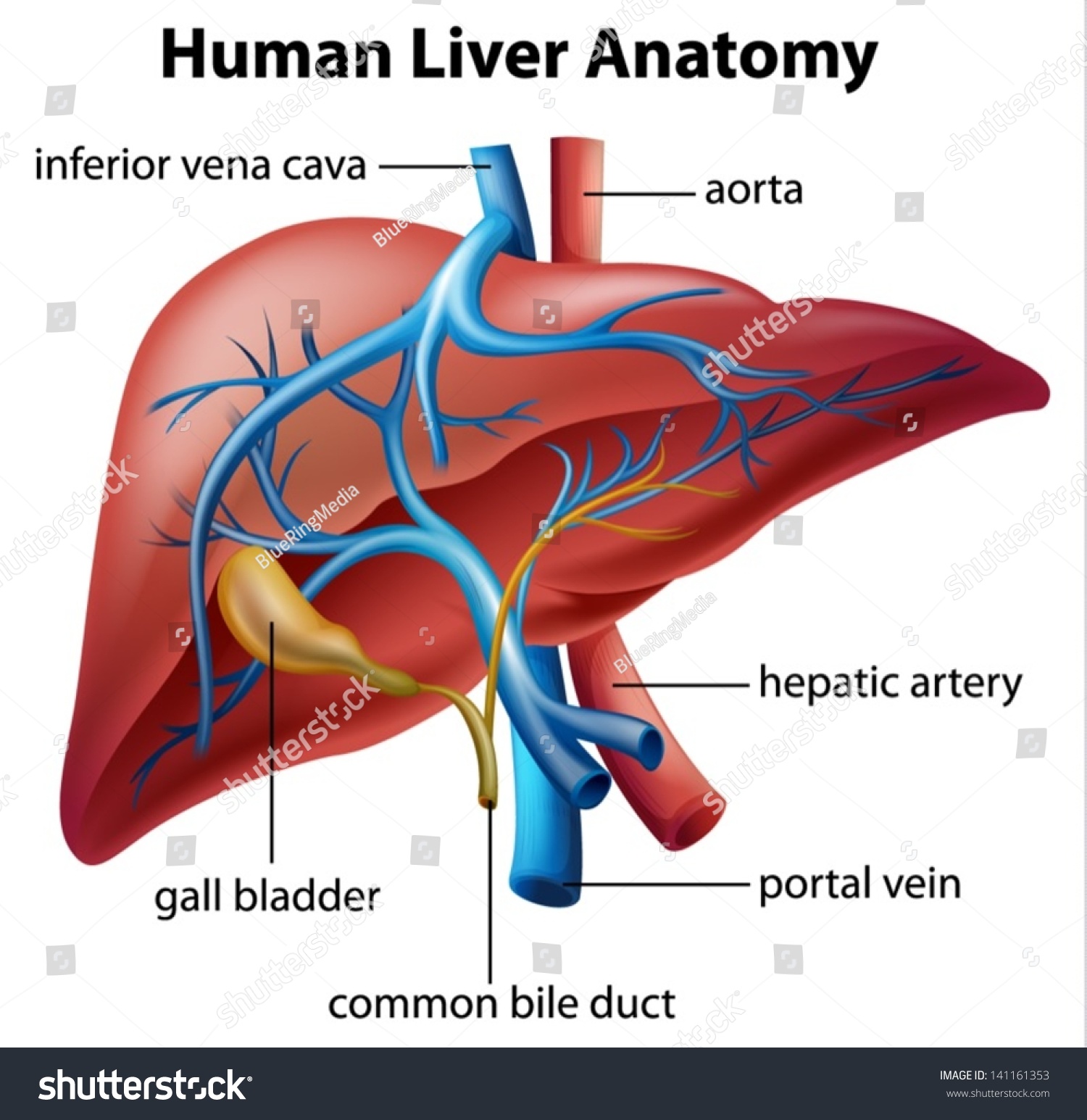
The human liver is the primary metabolic engine of the body, processing nutrients, filtering toxins, and maintaining blood glucose homeostasis. When liver function falters, systemic metabolic pathways break down, contributing to insulin resistance and chronic disease. Understanding how this vital organ regulates energy storage, lipid handling, and detoxification is essential for preserving long-term health.
Metabolic regulation depends on the liver's ability to act as a dynamic biological conductor. It interprets hormonal cues like insulin and glucagon to store excess dietary glucose as glycogen or synthesize glucose via gluconeogenesis during fasting periods. This constant balancing act prevents dangerous blood sugar spikes and drops, protecting brain and muscle tissue from energy starvation.
Core Metabolic Functions of the Liver
The liver manages three primary macronutrients—carbohydrates, lipids, and proteins—while neutralizing metabolic byproducts. Without this centralized processing unit, the bloodstream would quickly become overwhelmed by unrefined nutrients and metabolic waste.
Carbohydrate and Glucose Homeostasis
Carbohydrate management is among the liver's most immediate responsibilities. After a meal, the portal vein delivers high concentrations of glucose directly from the digestive tract to the liver. Hepatocytes absorb this excess sugar using specialized transporters, converting it into glycogen through glycogenesis.
When energy demands rise between meals or during physical exertion, the liver reverses the process. Glycogenolysis breaks stored glycogen back down into free glucose, releasing it into the bloodstream to maintain stable systemic energy levels. If fasting continues for extended periods, the liver initiates gluconeogenesis, synthesizing new glucose molecules from non-carbohydrate precursors like amino acids and glycerol.
Lipid Processing and Lipoprotein Synthesis
Beyond sugars, the liver handles dietary and endogenous fats. It synthesizes triglycerides, phospholipids, and cholesterol from circulating fatty acids. Because fats are insoluble in blood, the liver packages them into lipoproteins, including very-low-density lipoproteins (VLDL), to transport lipids to peripheral tissues.
The liver also clears used lipoproteins, such as low-density lipoproteins (LDL), from circulation through specific cell-surface receptors. When hepatic lipid handling becomes impaired due to caloric excess or insulin resistance, fat accumulates within hepatocytes. This condition, known as metabolic dysfunction-associated steatotic liver disease (MASLD), disrupts normal lipid export and triggers chronic local inflammation.
Detoxification and Bile Production
The liver acts as the primary chemical defense barrier against ingested toxins, metabolic waste, and circulating pharmaceuticals. Through enzymatic biotransformation, it converts lipid-soluble toxins into water-soluble compounds that can be safely excreted via urine or bile.
Enzymatic defense mechanisms rely heavily on the cytochrome P450 enzyme family concentrated within hepatocytes. These enzymes alter toxic molecules through oxidation, reduction, and hydrolysis, neutralizing their harmful effects. Once transformed, these byproducts bind to carrier molecules or enter the bile duct system.
Bile production serves a dual purpose: waste excretion and fat digestion. Hepatocytes synthesize bile acids from cholesterol, combining them with bilirubin, electrolytes, and phospholipids. Secreted bile flows into the small intestine, where it emulsifies dietary fats to facilitate absorption by enterocytes. Most bile acids are then reabsorbed in the terminal ileum and returned to the liver via enterohepatic circulation, an efficient recycling loop that minimizes the metabolic cost of bile acid synthesis.
Mechanisms of Liver Regeneration
Few internal organs possess the regenerative capacity seen in the liver. Following surgical resection or acute toxic injury, healthy hepatocytes re-enter the cell cycle, proliferating rapidly to restore original liver mass and functional capacity.
This regenerative response is tightly regulated by cytokines and growth factors, including hepatocyte growth factor (HGF) and interleukin-6 (IL-6). Non-parenchymal cells, such as Kupffer cells and hepatic stellate cells, coordinate this healing cascade. However, chronic injury from persistent inflammation, viral infection, or constant metabolic stress overwhelms this repair process. Repeated injury activates hepatic stellate cells, leading to excessive collagen deposition, scar tissue formation, and eventual fibrosis or cirrhosis.
Clinical Signs of Hepatic Dysfunction
When metabolic balance collapses due to liver impairment, clinical symptoms appear across multiple physiological systems. Recognizing these early indicators allows for timely medical intervention before permanent structural damage occurs.
- Persistent Fatigue: Inability to efficiently store and release glycogen compromises systemic energy availability, causing chronic exhaustion.
- Jaundice: Impaired bilirubin conjugation and excretion leads to a yellowish tint in the skin and sclera.
- Metabolic Dysregulation: Worsening insulin resistance and dyslipidemia often accompany early-stage steatotic liver disease.
- Edema and Ascites: Reduced synthesis of essential blood proteins like albumin lowers oncotic pressure, causing fluid retention in the abdomen and lower extremities.
Frequently Asked Questions
How does the liver communicate with other metabolic organs?
The liver maintains constant biochemical crosstalk with the pancreas, skeletal muscle, and adipose tissue via endocrine signals, cytokines, and nutrient sensors. It releases hepatokines—proteins secreted directly by the liver—that influence whole-body insulin sensitivity and energy expenditure.
What causes non-alcoholic fatty liver accumulation?
Fat accumulation typically stems from a combination of excessive caloric intake, refined fructose consumption, physical inactivity, and underlying insulin resistance. These factors increase free fatty acid influx into the liver while suppressing lipid export and oxidation.
Can early-stage liver scarring be reversed?
Yes. Mild fibrosis and early inflammatory changes can often be reversed by addressing the root cause, such as managing metabolic syndrome, improving dietary habits, eliminating alcohol consumption, or treating viral hepatitis.
Why is bile acid circulation important for metabolism?
Beyond aiding digestion, bile acids act as signaling hormones that bind to specific nuclear receptors, such as the farnesoid X receptor (FXR). This activation regulates systemic glucose metabolism, energy expenditure, and triglyceride synthesis throughout the body.



