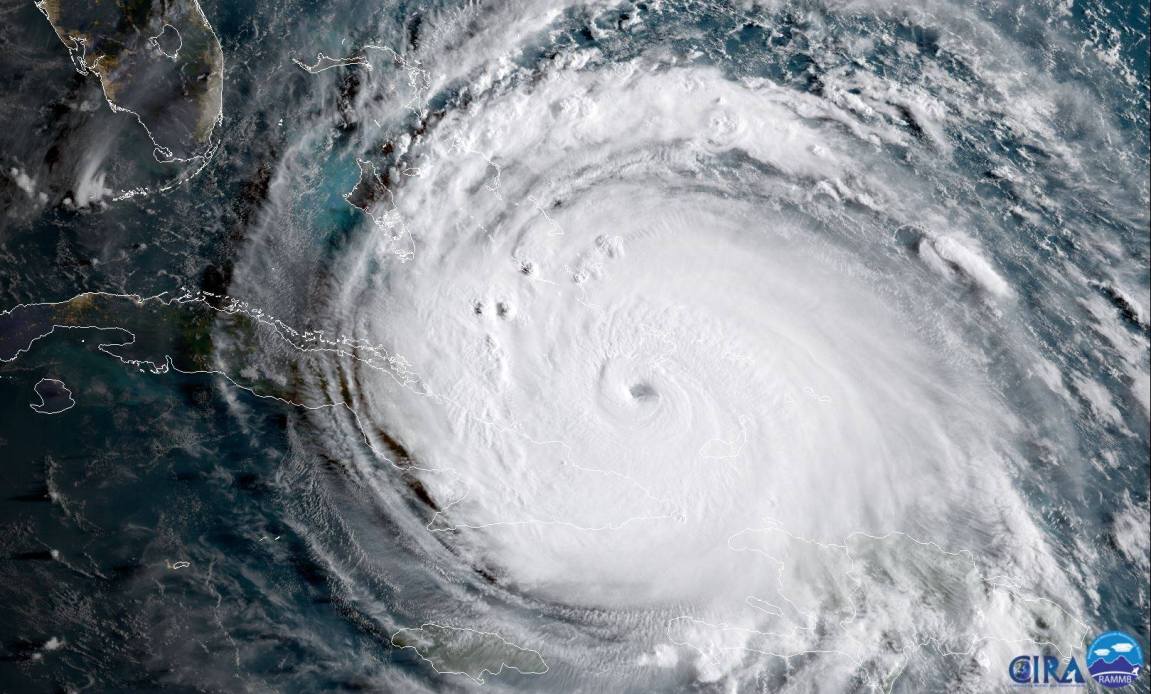
Live Oak, Florida sits in Suwannee County, an inland North Florida community that often escapes the immediate catastrophic coastal storm surges of major hurricanes, yet bears the brunt of intense wind damage, prolonged power outages, and severe inland flooding. When powerful systems push northward from the Gulf of Mexico or the Atlantic, this historic railroad hub absorbs the shockwaves. Understanding the local storm history reveals a story of small-town grit, persistent infrastructure evolution, and a community that bands together long after national news crews pack up and leave.
Unlike coastal cities facing storm surge destruction, inland municipalities like Live Oak deal with massive treefalls, compromised rural power grids, and isolated neighborhoods cut off by flooded rivers. Historic storms have repeatedly tested local emergency response networks, municipal water systems, and cooperative neighborhood networks. Examining past impacts highlights how Suwannee County residents adapt year after year, turning storm recovery into an ongoing masterclass in local resilience.
The Geography of Risk: Why Live Oak Vulnerability Differs
Geography dictates how hurricanes impact Live Oak. Situated roughly midway between the Gulf coast and the Atlantic Ocean, the city rarely experiences the sheer wall of water that wipes out coastal beachfronts. Instead, it faces the inland fury of wind and water.
Suwannee County is bound by natural waterways, including the Suwannee River and the Withlacoochee River. Heavy rainfall bands dropping ten to twenty inches of precipitation cause these rivers and local creeks to swell past flood stages days after a storm makes landfall. Furthermore, the sandy soil and dense pine canopy create a unique hazard profile. As saturated ground gives way under sustained tropical storm-force winds or minimal hurricane winds, shallow-rooted trees topple onto power lines, block major thoroughfares like US-90 and US-129, and damage residential properties.
Major Historical Storms Impacting Live Oak
Several pivotal weather events shaped the modern emergency management landscape in Live Oak and Suwannee County. Looking back at these milestones illustrates how the city learned from successive disasters.
Hurricane Elena and Early Lessons
In 1985, Hurricane Elena meandered in the Gulf before striking the Florida coast, bringing intense squalls far inland. While Live Oak didn't receive a direct eye impact, the outer bands hammered the county with sustained winds that downed aging utility poles. Power remained out for over a week in rural areas, forcing local churches, volunteer organizations, and municipal leaders to set up ad-hoc distribution points for ice, water, and non-perishable food. This event exposed vulnerabilities in rural communication networks and spurred early local planning improvements.
Hurricane Irma and the Inland Wind Threat
In 2017, Hurricane Irma tracked up the Florida peninsula as a large, powerful storm. Although it weakened to a tropical storm by the time it reached North Florida, its massive wind field battered Suwannee County for hours. Live Oak experienced widespread structural damage from falling trees, and over ninety percent of the county lost electrical service. The sheer scale of the outage overwhelmed local crews, requiring mutual aid from cooperative utilities across state lines. Irma proved that inland communities face prolonged isolation when regional transmission lines fail simultaneously.
Hurricane Idalia and Modern Recovery
In August 2023, Hurricane Idalia made landfall as a major hurricane in the Big Bend region, passing terrifyingly close to Live Oak as a powerful Category 3 storm. Winds howled through downtown Live Oak, ripping metal roofing off historic commercial buildings, snapping major power transmission towers, and turning residential streets into obstacle courses of oak and pine debris. The storm tested the resilience of local emergency services, public works teams, and residents who sheltered in place. The aftermath required a massive, coordinated debris removal effort that lasted for months, testing local municipal budgets and state disaster relief funds.
Infrastructure Evolution and Hardening
Surviving recurring storms requires continuous upgrades to physical and civic infrastructure. Following successive disasters, Live Oak and Suwannee County invested heavily in hardening public assets to reduce recovery timelines.
Utility hardening became a top priority. Local electric cooperatives and municipal providers initiated aggressive tree-trimming programs, buried select distribution lines, and installed smart-grid switches that isolate outages faster. Water and wastewater treatment facilities received backup generator redundancy, ensuring that clean drinking water remains available even during a multi-week power grid failure.
Transportation corridors also received critical updates. Culverts and drainage ditches are regularly cleared and widened to handle extreme rainfall events without washing out rural bridges. Emergency shelters, including designated local schools and community centers, were retrofitted with heavy-duty generators, commercial HVAC units, and hurricane-rated windows to safely house displaced families and first responders.
Community Networks and Grassroots Support
While government infrastructure matters, the true backbone of Live Oak's resilience is its people. In a close-knit North Florida town, neighbors know each other by name, and community bonds act as the first line of defense before official aid arrives.
Long before a storm makes landfall, informal neighborhood networks swing into action. Residents with chainsaws routinely clear driveways and secondary roads before county road crews can even deploy. Local agricultural communities share heavy machinery to lift fallen trees off livestock fences and homesteads. Faith-based organizations and local food pantries coordinate rapid-response food kitchens, serving hot meals to utility workers and families working without power in the stifling late-summer heat.
For more details on official preparedness programs, visit the Florida Division of Emergency Management for statewide resources, or check the National Hurricane Center for real-time tracking during storm season.
Practical Steps for Inland Storm Preparedness
Preparing for an inland hurricane requires specific strategies tailored to wind and prolonged power loss rather than coastal storm surge evacuation.
- Secure your property against falling trees: Inspect mature trees near your home. Trim dead branches and remove trees showing root rot or structural weakness before hurricane season begins in June.
- Build an extended-outage kit: Plan for at least seven to ten days without municipal electricity. Stock up on non-perishable food, manual can openers, battery-powered lanterns, and plenty of potable water—at least one gallon per person per day.
- Invest in reliable backup power: Portable generators or whole-home standby units are vital in rural and semi-rural areas where power restoration can take over a week. Always operate portable generators outdoors, far away from windows and doors to prevent carbon monoxide poisoning.
- Prepare for restricted mobility: Keep your vehicle's gas tank full during threatening weather. Downed trees and power lines routinely block rural escape routes, so stay put until municipal crews clear paths.
- Establish communication trees: Cellular towers frequently fail or become overloaded during major storms. Designate an out-of-town family contact person and agree on a communication plan before local signals drop.
Frequently Asked Questions
Does Live Oak get direct hurricane landfalls?
Live Oak rarely experiences a direct eyewall hit from a major hurricane at peak strength because it sits inland. However, severe storms like Hurricane Idalia in 2023 pass close enough to bring hurricane-force wind gusts and destructive squalls.
What are the main hazards in Live Oak during a hurricane?
The primary dangers are high winds causing tree damage and power outages, falling timber striking structures, and localized inland flooding caused by overflowing rivers and heavy rainfall accumulation.
How long do power outages typically last in Suwannee County after a storm?
Because Suwannee County features expansive rural areas and heavy tree cover, major storms often cause outages lasting anywhere from several days to over a week while utility crews clear lines and rebuild transmission infrastructure.
Are mandatory evacuations common in Live Oak?
Mandatory evacuations are rare for general residents unless living in low-lying flood-prone zones near rivers or in mobile and manufactured housing, which cannot withstand sustained hurricane-force winds.



