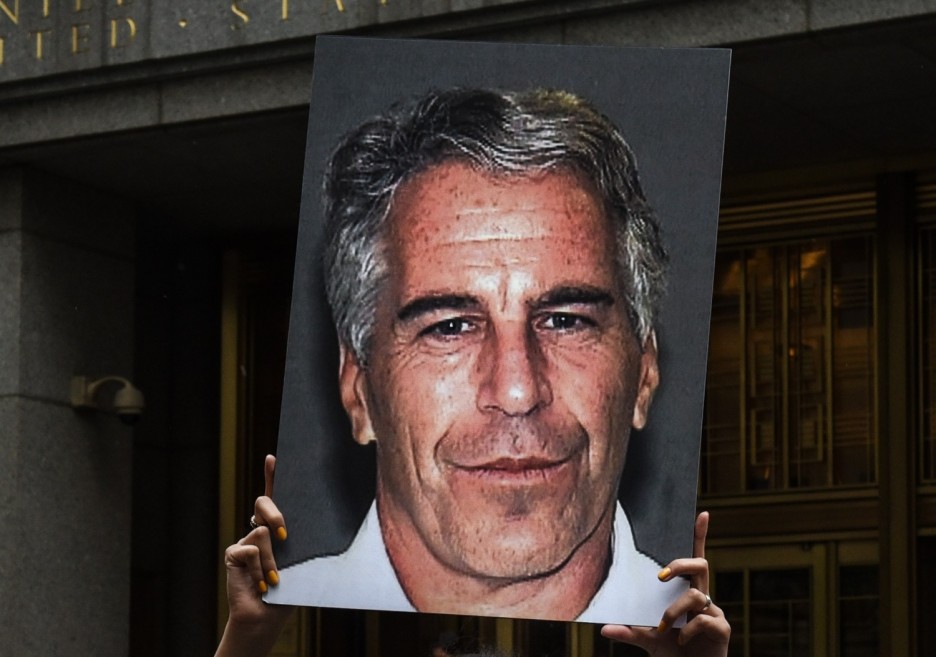
Little St. James is a 72-acre private island located in the U.S. Virgin Islands, southeast of St. Thomas. Infamously known as Epstein Island, it served as the primary residence and base of operations for convicted sex offender Jeffrey Epstein from 1998 until his death in 2019. What was once marketed as a secluded tropical retreat became the center of a sprawling international sex trafficking ring. Understanding the history of the island requires separating verified court records, investigative journalism, and public documents from sensationalized internet rumors.
The property transformed from a quiet Caribbean holding into a heavily guarded compound designed to shield illicit activities from public view. Court depositions, flight logs, and investigative reports from outlets like CBS News have documented how wealth and isolation allowed Epstein to operate with impunity. This article breaks down the timeline of the property, its physical infrastructure, the legal fallout, and its current status.
Acquisition and Geographic Context
Jeffrey Epstein purchased Little St. James in April 1998 through a shell company named L.S.J. LLC for approximately $7.95 million. Prior to his ownership, the island had a modest infrastructure consisting of a main house, a few cottages, and basic utility systems. Epstein quickly expanded the footprint, transforming the landscape into a private enclave featuring multiple villas, a massive swimming pool, a helipad, and a distinctive blue-striped building often referred to in media reports as a temple or music room.
Geographically, the island's isolation was its primary asset. Situated roughly two miles off the coast of St. Thomas, visitors typically arrived via private boat or helicopter. According to survivor testimonies and civil lawsuits, this physical barrier made it exceptionally difficult for victims to seek help, escape, or contact law enforcement. Epstein employed a large staff of caretakers, maintenance workers, and administrative personnel who were bound by strict confidentiality agreements.
Infrastructure and Key Structures
During the peak of his ownership, Epstein poured millions of dollars into upgrading the property's amenities. The compound included several distinct zones:
- The Main Residence: Remodeled by high-end designers, this multi-building villa complex served as lodging for visiting guests and associates.
- The Cabana: Epstein's personal living quarters, which featured security enhancements and restricted access.
- The Helipad: Built to facilitate direct transit from St. Thomas, bypassing standard commercial ferry terminals where public oversight was higher.
- The Blue-Roofed Structure: A controversial building on a hill that sparked numerous conspiracy theories, though investigative reporting confirmed it functioned primarily as a music room and storage space during Epstein's residency.
Later investigations by congressional committees and law enforcement revealed unconventional interior elements, including security setups and specialized rooms, underscoring the controlled, insular environment maintained on the property.
Allegations and Court Documents
The public awareness of Little St. James surged following civil lawsuits filed by survivors, most notably Virginia Giuffre. Court depositions and unsealed documents detailed how Epstein used the island to traffic underage girls and young women, flying them in via private aircraft—frequently dubbed the "Lolita Express"—or transporting them via his private helicopter fleet.
Survivors testified that the atmosphere of extreme wealth, combined with the presence of prominent international figures, politicians, academics, and celebrities who visited the property, created an intimidating environment that silenced victims. While the release of court files by federal courts brought intense public scrutiny to the names of visitors, journalists and legal analysts continually emphasize that inclusion in flight logs or address books does not automatically equate to criminal behavior, though it highlights the vast network of influence Epstein cultivated.
Recent Ownership and Current Status
Following Epstein's death in federal custody in 2019, his estate faced immense legal and financial pressure to compensate victims through the Epstein Victims' Compensation Fund. Both Little St. James and the neighboring larger island of Great St. James (which Epstein acquired later) were put up for sale.
In May 2023, billionaire investor Stephen Deckoff, founder of Black Diamond Capital Management, purchased both islands for a combined $60 million. Public reports from Britannica indicate that the new owner announced intentions to redevelop the properties into a luxury five-star resort, aiming to erase the dark legacy of the former compound and boost the local economy of the U.S. Virgin Islands through tourism and job creation.
Frequently Asked Questions
Who owns Little St. James today?
The island is owned by billionaire asset manager Stephen Deckoff, who purchased it alongside neighboring Great St. James in 2023 with plans to convert the site into a luxury resort.
Can tourists visit Little St. James?
No. Little St. James is private property. Access is strictly restricted, and unauthorized visitors or boaters attempting to land on the shores are turned away by private security.
Did Jeffrey Epstein own other properties?
Yes. Alongside his Caribbean holdings, Epstein owned a massive mansion on the Upper East Side of Manhattan, a sprawling estate in Palm Beach, Florida, a ranch in New Mexico, and a luxury apartment in Paris.
What happened to the structures built by Epstein?
The new ownership has undertaken substantial clearing and renovation plans to overhaul the island's architecture, removing or remodeling the buildings associated with Epstein's tenure.



