Founded in 1854 as the Ashmun Institute, Lincoln University in Pennsylvania holds a distinction that changed the course of American education: it is the nation's first degree-granting Historically Black College or University (HBCU). Long before the Civil Rights Movement forced systemic reforms across the United States, this institution carved out a space where African American students could pursue rigorous classical, scientific, and theological training.
Understanding Lincoln University means looking past standard institutional timelines. Its story is rooted in resilience, visionary leadership, and a global network of alumni who shaped modern jurisprudence, literature, and international independence movements.
The Origins: From Ashmun Institute to Lincoln University
The institution began through the efforts of Presbyterian minister John Miller Dickey and his wife, Sarah Emlen Cresson. Moved by the stark absence of higher education options for Black Americans, Dickey established the Ashmun Institute in Chester County, Pennsylvania. It was named after Jehudi Ashmun, a religious leader and early reformer associated with Liberia.
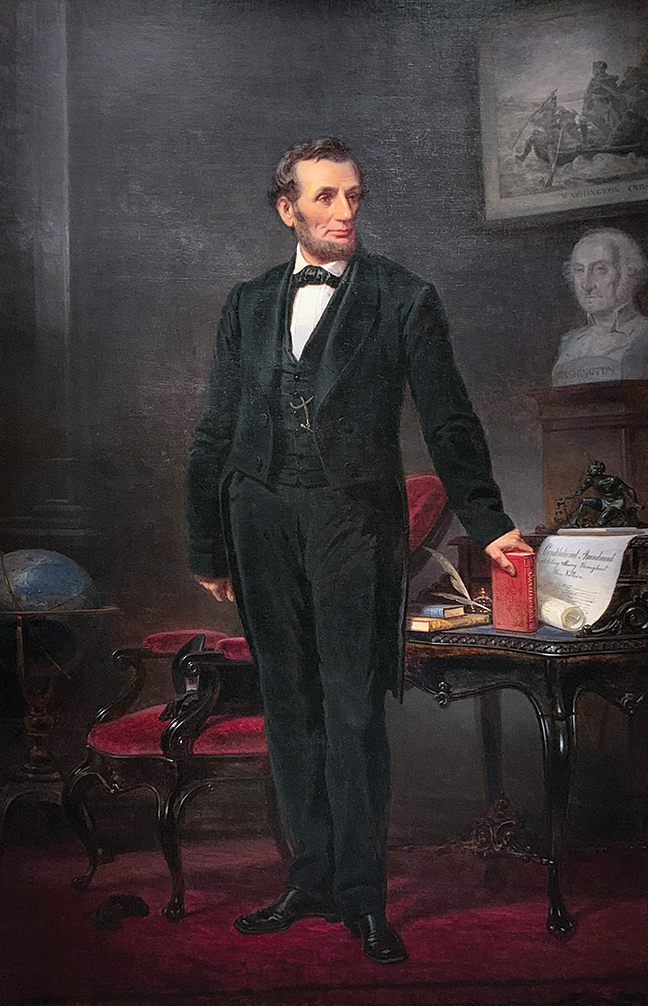
At its founding, the mission was direct: provide young Black men with the intellectual tools required to lead, teach, and uplift their communities. In 1866, shortly after the conclusion of the Civil War and the assassination of President Abraham Lincoln, the school was officially renamed Lincoln University.
The transition marked a new era of growth. As the twentieth century unfolded, the university continually expanded its academic scope. In 1945, Dr. Horace Mann Bond became the institution's first African American president, ushering in an era of heightened academic ambition and deep involvement in the legal battles dismantling segregation. Women were admitted as degree-seeking students starting in 1952, and in 1972, Lincoln officially became a state-related public university within the Commonwealth of Pennsylvania.
Architectural and Cultural Landmarks
Spanning over 400 acres in southern Chester County, the main campus blends historic structures with modern research facilities. Several physical landmarks on campus reflect its storied past:
- The Alumni Memorial Arch: Dedicated in 1921 by President Warren G. Harding, this landmark honors Lincoln students and alumni who served in World War I.
- Brown Memorial Chapel: A cornerstone of campus spiritual and community life, hosting gatherings and cultural events for generations of students.
- The Ivory V. Nelson Science Center: A modern, 150,000-square-foot facility that expanded the university's capacity for STEM research and advanced undergraduate laboratory work.
Beyond Chester County, Lincoln maintains an instructional site in University City, Philadelphia, bridging rural heritage with urban educational access.
Global Impact and Notable Alumni
Lincoln's influence stretches far beyond rural Pennsylvania. Its graduates didn't just participate in history; they authored pivotal chapters in civil rights, global politics, and the arts.
Pioneers in Law and Civil Rights
The legal architecture of modern America bears the unmistakable imprint of Lincoln alumni. Thurgood Marshall, a member of the class of 1930, used the rigorous analytical foundation he built at Lincoln to lead the NAACP Legal Defense Fund and successfully argue Brown v. Board of Education before ascending as the first African American U.S. Supreme Court Justice.
Architects of African Independence
During the mid-twentieth century, Lincoln served as an intellectual incubator for anti-colonial leaders across the globe. Kwame Nkrumah, who graduated in 1939, went on to lead Ghana to independence as its first prime minister and president. Nnamdi Azikiwe, class of 1930, became the first president of an independent Nigeria. Their time at Lincoln exposed them to global political philosophies that fueled liberation movements worldwide.
Literary Giants
The Harlem Renaissance found one of its defining voices in Langston Hughes, who attended Lincoln in the late 1920s. Hughes's poetry and essays captured the cultural depth, struggle, and resilience of Black life in America, cementing his status as a literary icon.
For more details on the institution's ongoing academic offerings and public updates, visit the Lincoln University Official Website. To read external historical archives regarding its founding era, consult the Social Welfare History Project.
Academic Profile and Student Life Today
Today, Lincoln operates as a coeducational, public liberal arts institution serving roughly 2,000 students. It offers undergraduate majors across the sciences, humanities, and social sciences, alongside targeted graduate programs in fields like human services, reading, and education.
Student life is defined by active engagement. With over 60 student organizations spanning academic societies, cultural clubs, media groups, and Greek-letter fraternities and sororities, campus culture remains vibrant. The Lincoln Lions compete in the NCAA Division III athletic conferences, maintaining a spirited tradition in track and field, basketball, and football.
Frequently Asked Questions
When was Lincoln University founded?
Lincoln University was founded on April 29, 1854, originally operating under the name Ashmun Institute.
Is Lincoln University a public or private school?
It began as a private institution, but today it operates as a public, state-related university within the Commonwealth of Pennsylvania.
What makes Lincoln University historically significant?
It is recognized as the first degree-granting Historically Black College or University (HBCU) in the United States, setting a precedent for minority higher education decades before the abolition of slavery.
Who are some of Lincoln's most famous graduates?
Prominent alumni include U.S. Supreme Court Justice Thurgood Marshall, poet Langston Hughes, Ghanaian President Kwame Nkrumah, and Nigerian President Nnamdi Azikiwe.



