Founded in 1854 as the Ashmun Institute, Lincoln University Pennsylvania holds a unique place in American history as the nation's first degree-granting Historically Black College and University (HBCU). Long before civil rights legislation reshaped the academic landscape, this institution provided rigorous liberal arts education to students excluded from traditional universities. Today, it functions as a public institution blending a rich heritage with modern academic programs, serving an international and diverse student body from its campus in southern Chester County.
Understanding the enduring footprint of Lincoln University requires looking past basic enrollment statistics. Its story is woven into the fabric of American civil rights, arts, and professional leadership, producing generations of pioneers who altered the course of history.
The Founding Era and Early Vision
The roots of Lincoln University trace back to Presbyterian minister John Miller Dickey and his wife, Sarah Emlen Cresson. They recognized a glaring gap in American education: men of color had virtually zero access to higher learning institutions that could grant legitimate degrees.
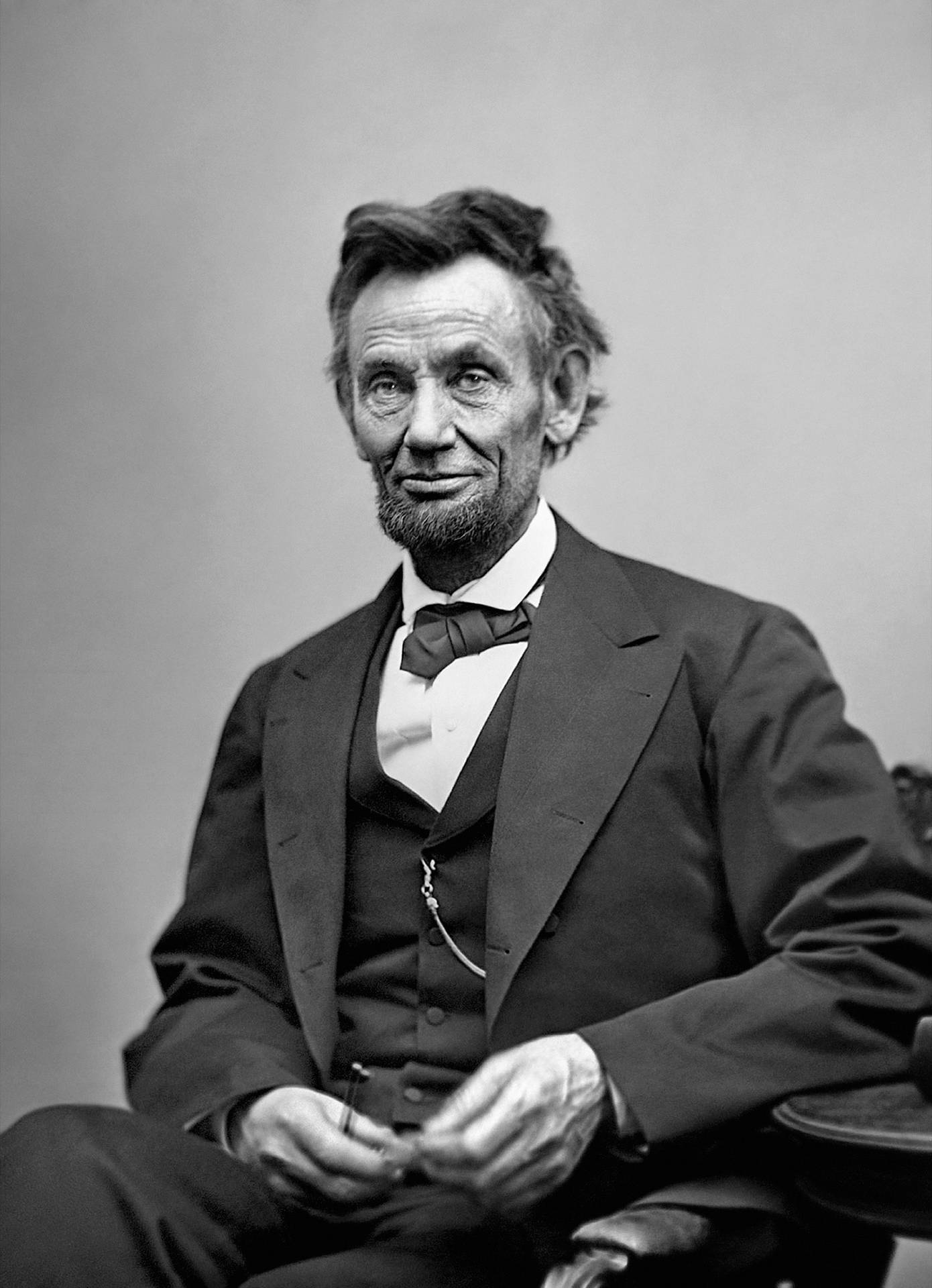
Originally named the Ashmun Institute in honor of Jehudi Ashmun—an early leader of the American Colonization Society—the school opened its doors with a clear mission. It aimed to prepare young Black men for leadership roles, ministry, and civic participation. In 1866, shortly after the end of the Civil War and the assassination of President Abraham Lincoln, the school was officially renamed Lincoln University.
During its first century, the institution punched far above its weight class. Historical records show that in its early decades, Lincoln produced approximately 20 percent of all Black physicians and more than 10 percent of all Black attorneys practicing in the United States. Alumni went on to lead dozens of other colleges and universities, hold high-ranking diplomatic posts, and serve on federal and state benches.
Notable Alumni and Cultural Impact
You can't discuss Lincoln University without acknowledging the cultural giants who walked its halls. The most prominent among them is Langston Hughes, the defining poet of the Harlem Renaissance, who graduated in 1929. Hughes captured the spirit of his alma mater and the broader Black experience in America, inspiring generations of writers and artists.
Other notable alumni include:
- Thurgood Marshall: Though he attended Howard University School of Law for his juris doctor, Marshall completed his undergraduate studies at Lincoln University in 1930, laying the intellectual groundwork for his historic career as a U.S. Supreme Court Justice and the chief lawyer in Brown v. Board of Education.
- Kwame Nkrumah: The first prime minister and president of Ghana, who used the anti-colonial philosophies he encountered while studying in the United States to help lead his nation to independence.
- Nnamdi Azikiwe: The first president of Nigeria, who also attended Lincoln during his foundational years abroad.
These figures illustrate the global reach of the university. It didn't just educate domestic leaders; it served as an intellectual incubator for international statesmen who dismantled colonial structures across the globe.
Transition to a Public Institution
For much of its history, Lincoln operated as a private entity. However, financial pressures and shifting higher education landscapes in the mid-20th century prompted a structural evolution. In 1972, Lincoln University officially became part of the commonwealth system of higher education in Pennsylvania.
This transition allowed the school to receive state support while maintaining its historic identity and mission as an HBCU. It broadened access for in-state students, lowered tuition barriers relative to private universities, and solidified its long-term financial stability. You can read more about its structural milestones on the Wikipedia entry for Lincoln University.
Academics and Campus Life Today
Located on a sprawling 422-acre campus in rural Chester County, Lincoln offers nearly 40 undergraduate majors and minors alongside select master's degree programs in fields like human services, education, and business administration. Classes remain relatively small, which fosters close mentorship between students and faculty.
The student body today is diverse, featuring a mix of demographics, geographies, and backgrounds. While women have been earning degrees here since the 1950s, they make up a significant majority of the undergraduate population in recent years.
Campus life revolves around traditional HBCU traditions, including an active Greek life, homecoming celebrations, and student-run organizations that foster leadership. Furthermore, its proximity to Philadelphia (about 45 miles away) and Wilmington gives students access to urban internships and employment networks. Prospective students can review official offerings directly through the Lincoln University Admissions Portal.
Frequently Asked Questions
Is Lincoln University a public or private school?
Lincoln University is a public institution. It transitioned from a private college to state-related status within the Commonwealth of Pennsylvania in 1972.
What GPA is typically required for admission?
The average GPA for incoming students hovers around 3.0, though admissions teams also evaluate application essays, extracurricular involvement, and overall academic trajectory.
Does Lincoln University only accept Black students?
No. While it is historically Black and maintains its proud HBCU heritage, Lincoln has admitted students of all races, ethnicities, and nationalities since its earliest decades.
Where is the campus located?
The main campus sits in southern Chester County, Pennsylvania, surrounded by rolling farmlands. The university also maintains an instructional location in University City, Philadelphia.



