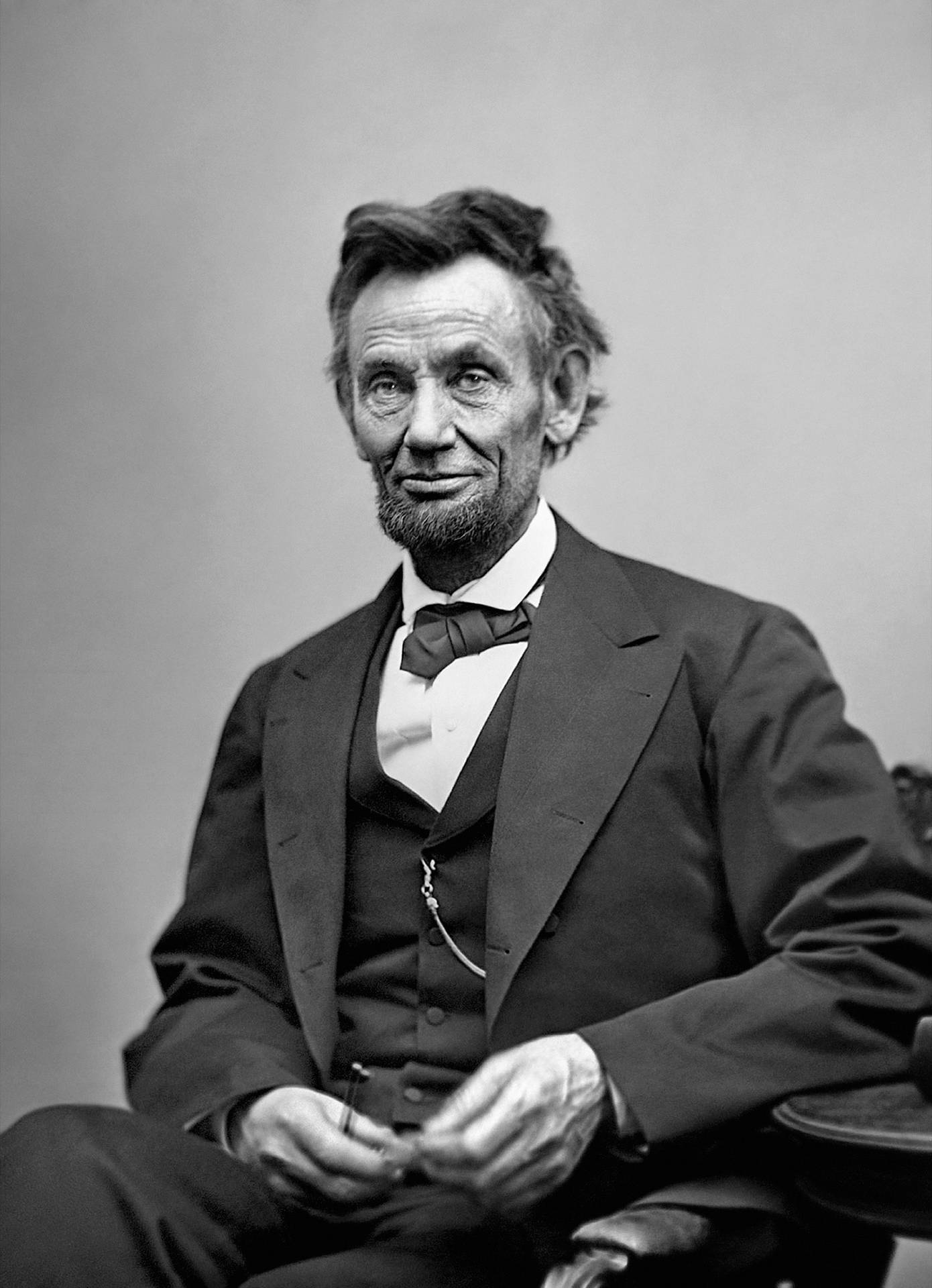
Steven Spielberg's Lincoln 2012 stands apart from typical historical biopics by refusing to compress a lifetime into two hours. Instead, the film zeroes in on the final four months of Abraham Lincoln's life, focusing on the grueling political trench warfare required to pass the Thirteenth Amendment through the House of Representatives. This laser-focused political framing succeeds because of a meticulously assembled ensemble. Rather than relying on simple mimicry, the cast treats 1865 Washington not as a museum exhibit, but as a messy, high-stakes room full of bruised egos, sharp intellects, and desperate compromise.
The powerhouse performances driving this cinematic achievement go far beyond the headline-grabbing lead work. Understanding how Daniel Day-Lewis, Sally Field, Tommy Lee Jones, and a deep bench of character actors anchor the film reveals why this historical drama remains a masterclass in ensemble acting.
The Anchors: Day-Lewis, Field, and Strathairn
At the center of the canvas sits Daniel Day-Lewis as Abraham Lincoln. Eschewing the booming, theatrical baritone traditionally associated with the sixteenth president, Day-Lewis chose a surprisingly high-pitched, reedy vocal register based on historical accounts of Lincoln's actual voice. This physical and vocal choice immediately strips away the marble monument myth, presenting a tired, homespun storyteller who weaponized folksy anecdotes to outmaneuver hardened political operators. Day-Lewis captures Lincoln's exhaustion, his heavy melancholy, and his ruthless political pragmatism without ever letting the prosthetic makeup feel like a mask.
Opposite him, Sally Field delivers a fierce, emotionally volatile portrayal of Mary Todd Lincoln. Hollywood biopics often reduce Mary Todd to a caricature of hysterical grief, but Field mines her performance for profound political awareness and maternal terror. She portrays a woman acutely conscious of her family's social standing, deeply grieving her lost children, and intensely protective of her remaining son, Robert. Their domestic scenes crackle with genuine marital friction born of shared trauma.
Rounding out the central triad is David Strathairn as Secretary of State William H. Seward. Seward acts as Lincoln's chief political fixer, managing the dirty backroom lobbying required to secure votes. Strathairn plays him with a smooth, sophisticated composure that contrasts sharply with Lincoln's folksy exterior. Their partnership forms the ideological and tactical engine of the entire film.
The Legislative Brawlers: Tommy Lee Jones and James Spader
While the executive branch plots strategy, the legislative battleground belongs to Tommy Lee Jones, who plays radical Republican firebrand Thaddeus Stevens. Jones approaches Stevens not as a scowling ideologue, but as a brilliant, sharp-tongued tactician who must suppress his own lifelong radicalism to compromise for the greater good. His verbal sparring matches are among the sharpest moments in modern cinema. Jones balances blistering sarcasm with a quiet, devastating realization of what emancipation requires.
Injecting chaotic energy into the backrooms is James Spader as William N. Bilbo, one of the rough-around-the-edges lobbyists hired by Seward to sway lame-duck Democrats. Spader tears into the role with theatrical relish, chewing scenery in the best possible way. Bilbo and his fellow fixers represent the grucky, transactional reality of politics—reminding viewers that high-minded moral victories often ride on the backs of shady favors and political bribery.
The Deep Ensemble and Supporting Standouts
The true strength of the lineup lies in a supporting roster filled with masterclass character actors who populate the House floor, the Cabinet room, and the battlefield periphery:
- Hal Holbrook brings quiet, elder-statesman gravity to Francis Preston Blair, representing the conservative faction whose negotiations complicate Lincoln's calculus.
- Joseph Gordon-Levitt captures the tense, strained relationship between Abraham Lincoln and his ambitious eldest son, Robert Todd Lincoln, who desperately wants to enlist against his parents' wishes.
- John Hawkes, Tim Blake Nelson, and James Spader form a trio of eccentric, opportunistic fixers who operate in the smoky corridors outside the halls of power.
- David Oyelowo and Colman Domingo appear briefly as Union soldiers and intellectual voices, grounding the human cost of the war outside the halls of Washington privilege.
Behind-the-Scenes Casting Choices
The production history of the cast reveals several fascinating near-misses and creative decisions. Liam Neeson was originally attached to play Lincoln years before production began, spending considerable time developing the project with Spielberg. However, as development stretched on, Neeson felt he had aged out of the role and gracefully stepped aside, paving the way for Day-Lewis—who initially turned the part down before Spielberg and writer Tony Kushner convinced him.
Furthermore, Spielberg insisted on a strict rehearsal period where the actors lived in character and dialect, establishing an immediate historical shorthand among performers who played historical adversaries. This intensive preparation eliminated modern cadence slips and gave the film its distinct ensemble rhythm.
Common Criticisms and Historical Departures
While the performances earned near-universal acclaim—culminating in an Academy Award win for Day-Lewis and nominations for Field and Jones—historians have noted a few dramatic liberties in how characters interact:
- The Father-Son Confrontation: The movie features a dramatic physical altercation between Lincoln and Robert. Historians agree this is entirely fictional; no such physical outburst is documented in Lincoln's family records.
- Thaddeus Stevens' Secret: A late-film dramatic reveal regarding Stevens' personal life and domestic partner, Lydia Smith (played by S. Epatha Merkerson), compresses complex historical dynamics into a single cinematic beat. While their relationship was famously close, the film frames it for maximum emotional resonance rather than strict biographical documentation.
Frequently Asked Questions
Did Daniel Day-Lewis win an Oscar for Lincoln?
Yes, Day-Lewis won the Academy Award for Best Actor for his performance, making him the first actor in history to win three lead actor Oscars.
Who played Mary Todd Lincoln?
Sally Field played Mary Todd Lincoln, earning an Academy Award nomination for Best Supporting Actress for her intense portrayal.
Was Lee Pace in the movie?
Yes, Lee Pace played Fernando Wood, a Democratic congressman from New York who fiercely opposed the Thirteenth Amendment.
Why did Liam Neeson drop out of the project?
Neeson was originally cast years prior, but as the script stalled and rewrites took years, he felt he had grown too old for the role and withdrew from production.



