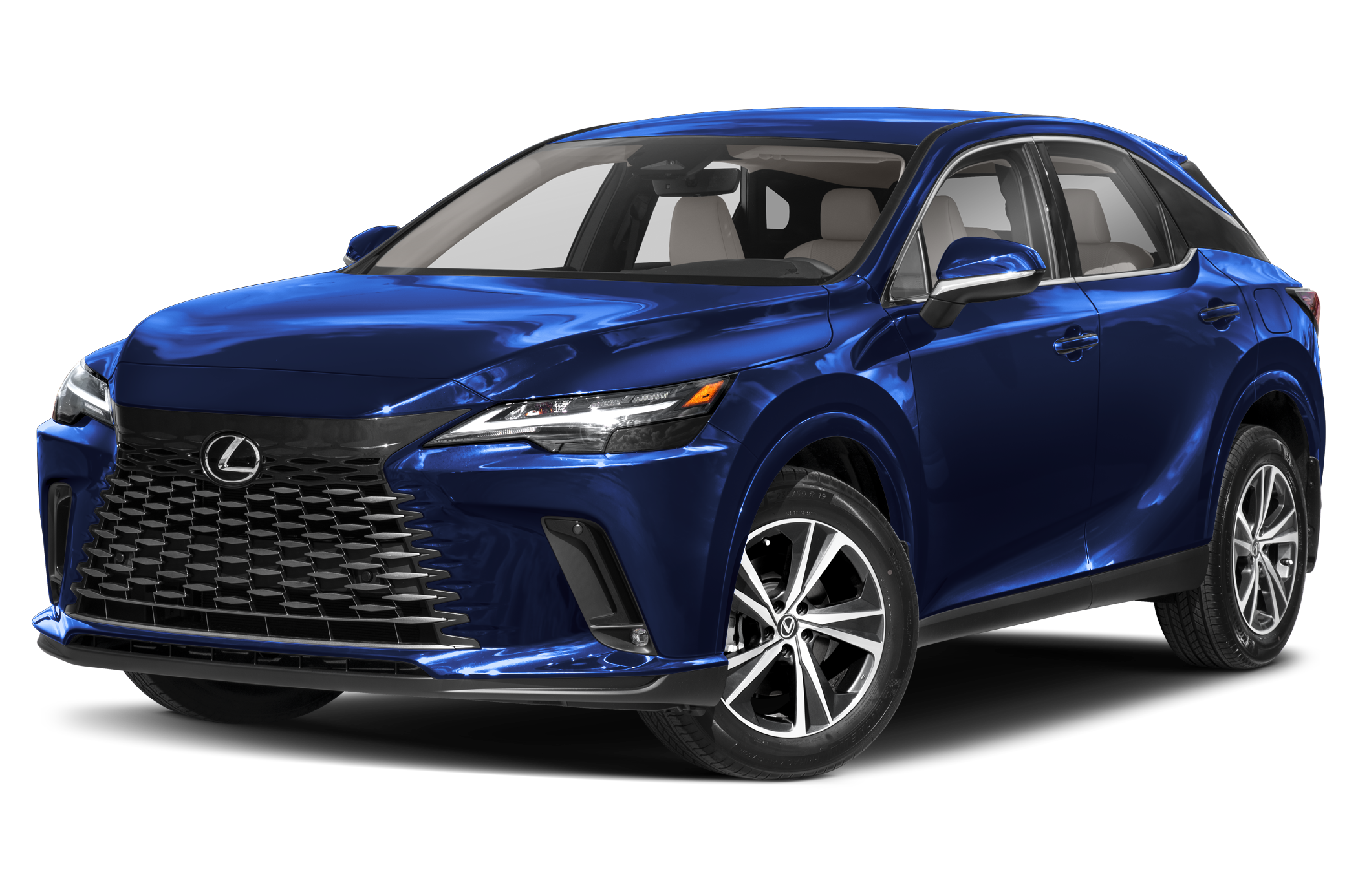
When car enthusiasts talk about luxury grand tourers, the Lexus SC430 usually sparks a polarizing debate. It's famous for its butter-smooth 4.3-liter V8 engine and power-retractable hardtop, but it has long been criticized for soft, uninspiring handling. Because Lexus never actually built a factory "SC430 F Sport" model, drivers and builders take matters into their own hands, transforming this cruiser into an aggressive machine. If you're wondering how a modified SC430 stacks up against humdrum luxury sedans, you need to look past the marketing hype and focus on suspension geometry, weight distribution, and real engine tuning.
The search intent behind tracking down an F Sport treatment for the SC430 centers on performance transformation. Owners want to fix factory wallow, sharpen steering response, and extract better dynamics from the rear-wheel-drive platform without ruining the plush ride quality that made the car famous. To get there, you can't just slap badges on the trunk lid. You have to address the heavy chassis, soft springs, and conservative stock tuning head-on.
The Factory Baseline and Why It Falls Short
The Lexus SC430 rolled off assembly lines from 2001 through 2010 equipped with the 3UZ-FE aluminum block V8. Out of the box, it pushes out roughly 288 horsepower and 317 lb-ft of torque. On paper, those numbers look respectable, but the car weighs over 3,800 pounds. Combined with a plush, floaty suspension setup meant for highway cruising rather than apex hunting, the stock experience feels more like riding on a velvet couch than driving a sports coupe.
Luxury sedans of the same era often suffered from the same isolationist philosophy. They insulated drivers from the road entirely. Transforming an SC430 into an F Sport-style performer requires dismantling that isolation. You have to stiffen the chassis, introduce proper damping control, and let the 3UZ-FE engine breathe through freer-flowing exhausts.
Suspension Upgrades: The Core of True Handling
If you want an SC430 to corner like a modern performance car, suspension is your first and most critical hurdle. The factory double-wishbone setup is fundamentally sound, but the rubber bushings and soft dampers create massive body roll.
- Install Quality Coilovers: Swapping out the heavy factory struts for adjustable coilovers drops the ride height, lowers the center of gravity, and eliminates excessive dive under heavy braking. Look for units with adjustable damping so you can tune rebound stiffness.
- Replace Worn Bushings: Aged rubber bushings introduce slop into the steering rack. Upgrading to polyurethane or solid spherical bearings tightens front-end feedback instantly.
- Upgrade Anti-Roll Bars: Thicker sway bars keep the chassis flat through tight sweepers, making the heavy coupe feel hundreds of pounds lighter than it actually is.
Stiffening the chassis changes the entire personality of the car. It shifts the vehicle from a wandering cruiser into a planted, responsive grand tourer that rewards aggressive steering inputs.
Extracting Power from the 3UZ-FE V8
The 3UZ-FE is an absolute tank of an engine. It's famous for ironclad reliability, but factory tuning leaves plenty of performance on the table to keep emissions quiet and throttle response docile.
Exhaust System Modifications
The stock exhaust system features heavy mufflers and restrictive routing designed to keep the cabin whisper-quiet. Installing a cat-back performance exhaust system reduces backpressure, yields a modest horsepower bump, and unlocks a deep, resonant V8 growl that sounds genuinely exotic without drone.
ECU Tuning and Airflow
While naturally aspirated power gains on the 3UZ-FE are modest—usually limited to throttle response tweaks and optimized ignition timing via aftermarket engine management—they clean up power delivery. For those seeking true sonic-boom performance, forced induction kits like roots-type superchargers exist in the aftermarket, though they require supporting transmission and cooling upgrades to handle the extra stress.
Wheels, Tires, and Unsprung Weight
A common mistake among builders is bolting on massive, heavy chrome wheels that look aggressive but ruin performance. Heavy wheels increase unsprung weight, which overburdens the suspension and slows down acceleration.
- Stick to lightweight flow-formed or forged wheels in 18-inch or 19-inch diameters.
- Wrap them in sticky, high-performance summer compound tires. Rubber is your only contact patch with the pavement; skimping here negates all your suspension work.
- Ensure proper wheel alignment with slight negative camber in the front to improve turn-in grip.
For deeper technical insights on fitment and community-tested configurations, you can explore discussions on Club Lexus.
Common Mistakes When Modifying an SC430
Many projects fail because builders chase aesthetics over mechanical balance. Here are the pitfalls to avoid:
- Lowering too far: Slamming the car onto cheap springs destroys suspension geometry, blows out dampers, and causes severe bump-steer.
- Ignoring braking performance: Adding horsepower without upgrading brake pads, rotors, or lines creates a dangerous mismatch. Big brake kits or aggressive street pads are mandatory if you drive hard.
- Neglecting maintenance: Never modify a neglected car. Ensure the timing belt, water pump, and ignition coils are fresh before adding performance parts or ECU tunes.
For official specifications and historical background on Lexus engineering milestones, check out Toyota Global History.
Frequently Asked Questions
Did Lexus ever manufacture a factory SC430 F Sport?
No, Lexus never built an official factory SC430 F Sport model. The F Sport designation arrived on later Lexus lineups, meaning any SC430 wearing F Sport badges or upgraded dynamics has been modified aftermarket by its owner.
How much horsepower does a stock Lexus SC430 make?
The stock 4.3-liter 3UZ-FE DOHC V8 engine produces between 282 and 300 horsepower depending on the regional market and testing standard, paired with a smooth automatic transmission.
Is the SC430 hard to modify for better handling?
It requires targeted investment. Because the car is heavy and tuned for luxury comfort, transforming its handling requires replacing soft suspension components, upgrading sway bars, and fitting high-performance tires to overcome factory understeer.
Can you supercharge a Lexus SC430?
Yes, aftermarket roots-type supercharger and turbo kits have been engineered for the 3UZ-FE platform, though they require professional installation, fuel system upgrades, and careful transmission management to ensure long-term reliability.



