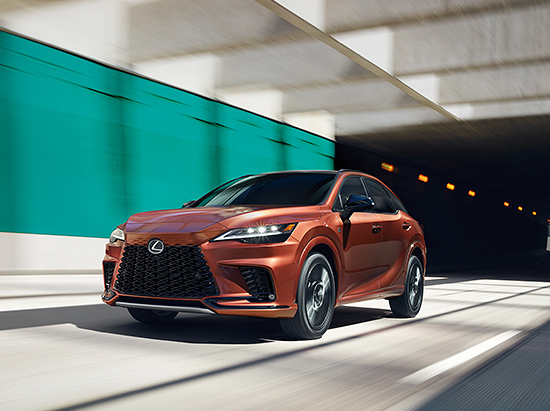
Buying a used Lexus IS250 F Sport requires looking past the sharp styling and badge appeal to understand its mechanical quirks. If you're eyeing this sport sedan, you need to know that its 2.5-liter V6 engine relies solely on direct injection, which leads to heavy carbon buildup on the intake valves over time. While the F Sport package adds aggressive body styling, stiffer suspension tuning, and unique wheels, it doesn't fix the underlying engine limitations or modest power output that catch many buyers off guard.
This buyer's reality check breaks down what living with an IS250 F Sport actually entails. You'll find a clear assessment of real-world performance, known trouble spots like carbon deposits and sticky dashboards, and practical inspection steps to protect your wallet.
Understanding the IS250 F Sport Package
The F Sport designation transforms the visual and dynamic stance of the standard luxury sedan, but it's important to separate cosmetic upgrades from mechanical changes.
What the F Sport Package Actually Includes
- Suspension Tuning: Stiffer springs, unique shock absorbers, and larger stabilizer bars for flatter cornering.
- Exterior Styling: A mesh front grille, deeper front bumper, rear lip spoiler, and distinctive F Sport badging.
- Interior Upgrades: Bolstered sport seats, a perforated leather-wrapped steering wheel, aluminum pedal covers, and a dark metallic dashboard finish.
- Wheels and Brakes: Staggered alloy wheels paired with lower-profile performance tires.
Despite the sharper handling, the engine output remains identical to the base IS250. You get 204 horsepower and 185 lb-ft of torque from the 4GR-FSE V6 engine. It's responsive around town, but highway passing requires planning. If you want serious acceleration, look toward the larger-displacement IS350 models. Further information regarding the matter are explored by Associated Press.
Critical Mechanical Realities
Every used car has weak points, and the IS250 has specific known issues that demand careful attention during a pre-purchase inspection.
The Direct Injection Carbon Buildup Problem
Unlike port-injected engines where fuel washes over the intake valves, the direct-injection setup in the IS250 sprays fuel directly into the combustion chamber. Crankcase vapors and oil residues bake onto the intake valves without fuel washing over them, forming thick carbon crusts.
Symptoms of severe carbon buildup include:
- Rough, shaking idle on cold starts.
- Sluggish throttle response and hesitation.
- Check engine lights flashing alongside cylinder misfire codes.
- Engine stalling when coming to sudden stops.
Preventing or fixing this issue can be costly. While Italian tune-ups (driving hard to keep revs high) and catch cans help slow accumulation, heavily fouled valves require manual walnut blasting or cylinder head cleaning by a qualified mechanic.
Interior Materials and Sticky Dashboards
Early second-generation models (roughly 2006 to 2008) are notorious for melting dashboards and door panels when exposed to intense summer heat. The material becomes shiny, sticky to the touch, and highly reflective against the windshield, creating a dangerous glare. Lexus offered warranty replacement programs in the past, but many cars on the secondary market may still feature degraded interiors if previous owners didn't address the issue.
Front Suspension and Tire Wear
Because the F Sport rides on a stiffer suspension and staggered performance tires, it's prone to rapid inner front tire wear. Factory rubber bushings in the lower control arms soften over time, causing alignment geometry to shift under braking. Upgrading to aftermarket polyurethane bushings or stiffer replacement arms solves the premature wear pattern.
Evaluating Daily Driveability and Ownership Costs
Living with this compact luxury sedan is generally straightforward thanks to Toyota's overarching reliability engineering, but maintenance requires budgeting for premium items.
Fuel Economy and Maintenance Requirements
- Fuel Grade: Premium unleaded (91 octane or higher) is required, which increases daily operating costs compared to standard commuter cars.
- Fuel Economy: Expect roughly 21 mpg city and 29 mpg highway under normal driving conditions.
- Brakes and Tires: Staggered tire setups mean you cannot rotate front and rear tires, shortening overall tire lifespans. Brake jobs require quality pads and rotors to prevent vibration or premature warping.
What to Check Before Buying
- Service Records: Verify oil change intervals. Using high-quality synthetic oil is critical for longevity and keeping engine varnish down.
- Cold Start Test: Always start the car stone-cold. Listen closely for a rough idle, cam gear rattle, or valve clatter.
- Interior Inspection: Run your hand across the dashboard and door cards to check for glossiness, stickiness, or melting textures.
- Suspension Check: Look at the inner treads of the front tires. Uneven balding points directly to worn control arm bushings.
Frequently Asked Questions
Is the Lexus IS250 F Sport fast?
No. The F Sport package improves handling agility and cosmetic appeal, but it uses the standard 204-hp engine. It's a comfortable cruiser rather than a straight-line performance car.
Which model years should I target?
Later model years of the second generation (2011 to 2013) or third-generation variants benefit from factory revisions that largely mitigated early interior melting issues and refined the powertrain electronics.
Can carbon buildup be permanently prevented?
While you can't stop blow-by gases entirely, frequent highway driving, using top-tier fuel, changing oil strictly every 5,000 miles, and installing an oil catch can significantly slow down deposit formation.
How much does a carbon cleaning cost?
Depending on labor rates in your area, a manual intake valve cleaning via walnut blasting typically ranges from $400 to $900. Always budget for this maintenance item if buying an IS250 with over 80,000 miles.



