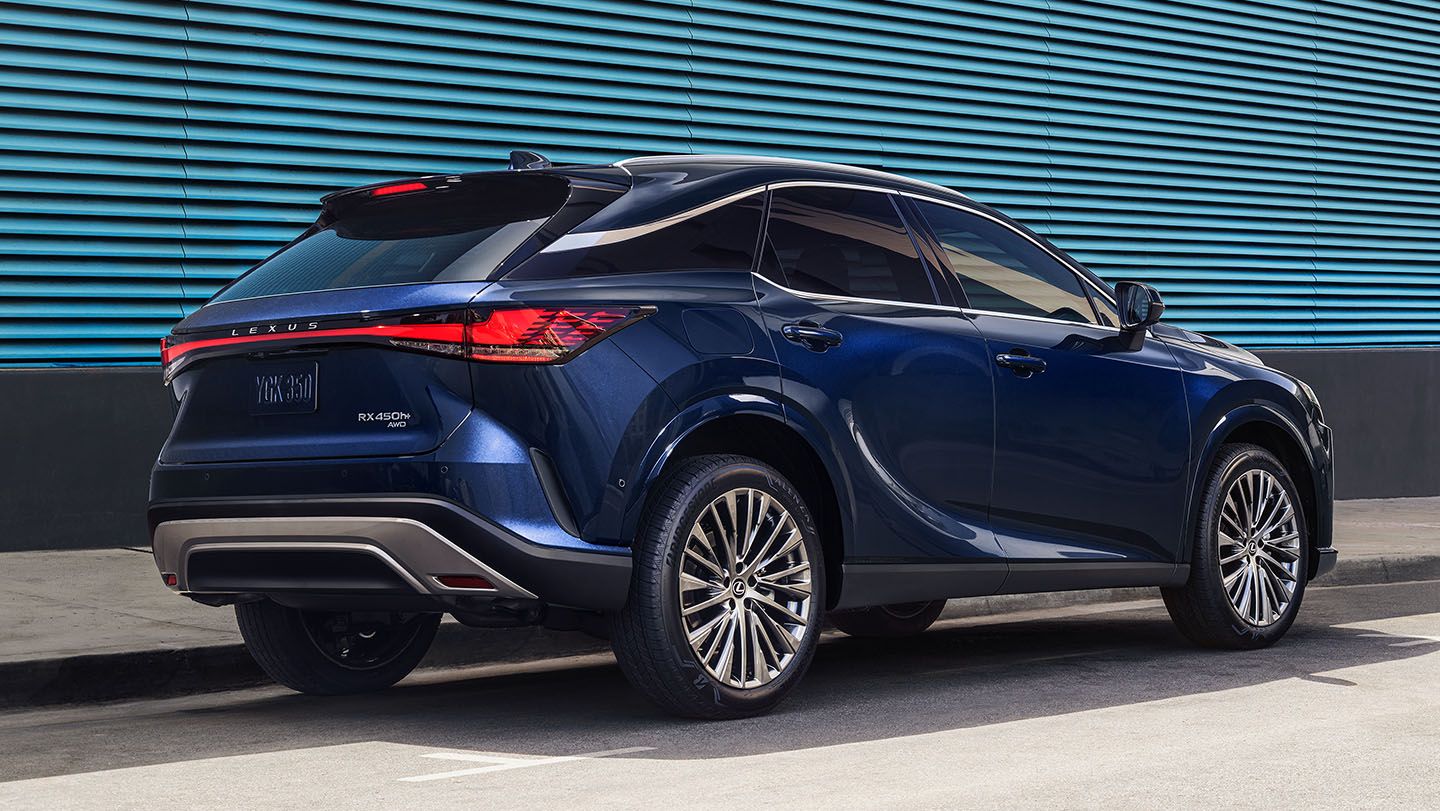
When Lexus introduced the IS200t for the 2016 model year, it marked a major shift for the brand. For decades, the Japanese luxury manufacturer relied heavily on naturally aspirated engines. The IS200t brought a 2.0-liter turbocharged four-cylinder engine—designated the 8AR-FTS—to the compact executive sedan lineup, replacing the older IS 250. Buyers looking at the used market today want to know if this forced-induction luxury sedan delivers traditional Toyota dependability or if the turbocharger introduces unexpected repair bills.
The short answer is that the Lexus IS200t is a durable daily driver, but it isn't entirely bulletproof like its V6 siblings. While it avoids the catastrophic electrical gremlins typical of German competitors, it features specific mechanical quirks that require proactive maintenance. Understanding these weak points helps you buy a clean used model or keep your current car on the road past 150,000 miles.
The 8AR-FTS Engine and Turbocharger Performance
The 2.0-liter turbocharged engine pumps out 245 horsepower and 258 lb-ft of torque. Power delivery feels smooth during normal commuting, though the heavy chassis means it won't pin you to your seat like a track car. Because this was Lexus's first modern turbo passenger engine, early production models experienced a higher rate of initial component adjustments.
Performance enthusiasts often debate whether the turbo four-cylinder holds up as well as the 3.5-liter V6 found in the IS350. While the V6 is famously over-engineered and virtually unkillable, the IS200t rewards owners who respect warm-up cycles and stick to strict oil change intervals. Neglecting routine service on a direct-injected turbo motor accelerates wear on internal components and turbo seals. If you want more about the background of this, Associated Press offers an excellent summary.
Documented Reliability Problems and Known Faults
Even though it wears a Lexus badge, the IS200t has a few well-documented mechanical trouble spots that pop up across owner forums and technical service bulletins.
Vacuum Regulating Valve (VRV) Failure
The most frequent mechanical complaint on early IS200t models involves the vacuum regulating valve, which controls the turbo wastegate. Original versions utilized an undersized vacuum hose that struggled to maintain consistent pressure.
When this valve fails, you might notice a distinct buzzing noise from the engine bay at idle or a surging sensation under steady throttle between 30 and 70 mph. Lexus issued technical service bulletin L-SB-0153-17 to address this issue by replacing the valve and routing an updated hose. Fixing this early prevents erratic boost behavior and unnecessary turbo replacements.
Water Pump and Coolant Leaks
The mechanical water pump on the 8AR-FTS engine tends to develop slow coolant leaks as mileage climbs past 60,000 miles. Owners often spot pink crusty residue near the pump housing or notice slight coolant level drops in the reservoir.
Replacing the water pump requires navigating a tight engine bay, so labor costs make up the bulk of the repair bill. Letting a water pump fail completely leads to engine overheating, which can warp the aluminum block. Check your coolant condition and level during every other oil change.
Front Control Arm Bushings
Like many rear-wheel-drive luxury sedans, the front suspension relies on fluid-filled compliance bushings that soften ride harshness. These bushings wear out over time, leading to vague steering feedback, slight vibration at highway speeds, and uneven inner tread wear on the front tires. Upgrading to aftermarket polyurethane bushings or replacing the factory control arms restores that sharp, planted steering feel.
Infotainment and Cabin Tech Frustrations
While mechanical components generally hold together, the interior technology dates the car quickly. The center console uses a mouse-like remote touch controller or trackpad that frustrates drivers trying to change radio stations or adjust climate controls while moving. Screen freezing and slow boot times occasionally plague the infotainment head unit on hot summer days.
Real Owner Reviews: What Living With an IS200t Is Like
Long-term owner feedback highlights a clear divide between driving dynamics and maintenance realities. Drivers who bought their cars new or picked them up used with complete service histories report smooth daily commuting with minimal unplanned garage visits.
Owners frequently praise the highway fuel economy, which easily beats the thirsty V6 models during long trips. The interior ergonomics, supportive front seats, and exterior styling receive high marks from drivers transitioning out of unreliable European sports sedans.
On the flip side, critical reviews focus on rear seat legroom and sluggish throttle response from a dead stop. Some owners note that the car feels heavy for its power output, requiring you to push the throttle deeper than expected to merge into fast-moving traffic. You can read more about brand history and vehicle standards directly on the Lexus Official Site.
Maintenance Best Practices for Long-Term Health
Keeping an IS200t trouble-free past 150,000 miles requires sticking to a proactive maintenance schedule:
- Shorten Oil Change Intervals: Don't wait 10,000 miles. Change your synthetic oil every 5,000 miles to keep the turbo bearings clean and prevent carbon buildup on the direct-injected intake valves.
- Inspect Spark Plugs Early: Factory spark plugs wear faster under forced induction. Plan to change them every 40,000 to 50,000 miles to maintain smooth ignition and optimal fuel burn.
- Monitor Transmission Fluid: While Lexus marketed the transmission as sealed for life, drain-and-fill services every 60,000 miles ensure crisp, slip-free gear changes.
- Watch Battery Health: Electronic systems draw steady power; weak batteries trigger weird dashboard warning lights and electrical glitches. Replace the battery every three to four years.
Frequently Asked Questions
Is the Lexus IS200t expensive to maintain?
Maintenance costs run higher than a standard economy car, but remain lower than German rivals like BMW or Audi. Routine items like oil changes and brakes are affordable if you use independent shops specializing in Japanese vehicles, though genuine dealership parts carry a luxury markup.
What is the difference between the IS200t and the IS300?
Mechanically, the rear-wheel-drive IS200t and the later rear-wheel-drive IS300 use the exact same 2.0-liter turbocharged 8AR-FTS engine. Lexus simply changed the badge designation in later model years to align their naming conventions.
Can the 8AR-FTS engine handle engine tuning?
Many owners install piggyback tuners or exhaust upgrades to extract more power. While the stock internals handle moderate boost increases, pushing aggressive tunes without upgrading supporting cooling and fuel components drastically shortens engine and turbo lifespan.
Does the IS200t require premium fuel?
Yes. The high compression ratio and turbocharger require 91 octane fuel or higher to prevent engine knock and maintain rated power output. Running regular fuel drops efficiency and triggers safety detuning from the engine computer.



