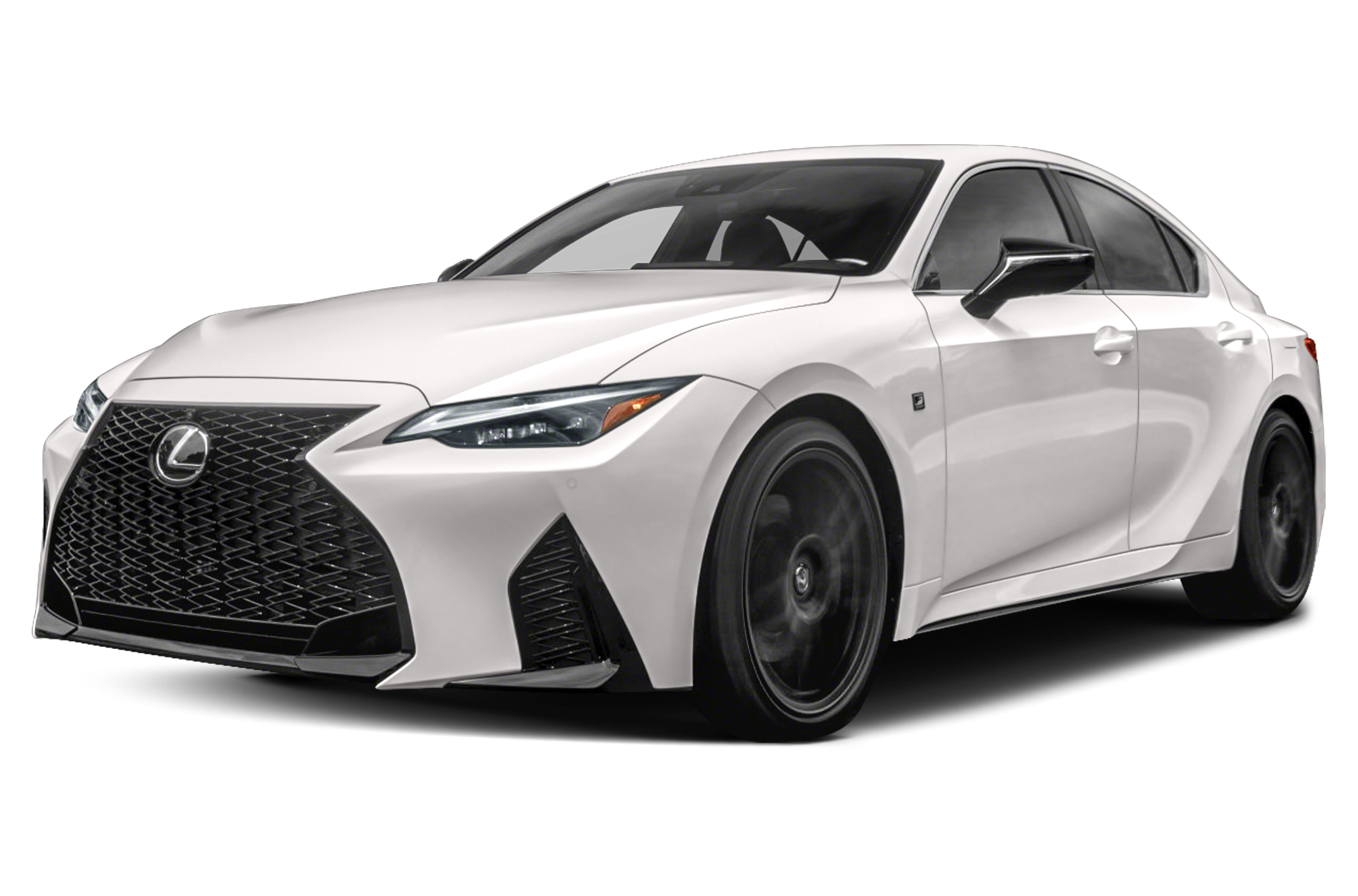
The Lexus IS 300 AWD occupies a specific niche in the compact luxury sport sedan market. While competitors lean heavily into turbocharged four-cylinder setups paired with dual-clutch transmissions, Lexus takes a traditional route. Under the hood sits a naturally aspirated 3.5-liter V6 engine paired with a six-speed automatic transmission and a permanent electronic all-wheel-drive system. It's a mechanical layout that prioritizes linear power delivery and cold-weather composure over raw track times.
Shoppers considering this luxury sedan usually want to know how the V6 power plant handles daily driving, whether the all-wheel-drive system provides genuine confidence when winter storms hit, and how it compares to German rivals like the BMW 3 Series or Audi A4. Let's break down the engineering dynamics, interior layout, and real-world trade-offs of the Lexus IS 300 AWD.
Powertrain Dynamics: The 3.5-Liter V6 Engine
Unlike the rear-wheel-drive IS 300—which uses a 2.0-liter turbocharged inline-four—the IS 300 AWD steps up to a detuned version of the 3.5-liter V6 (engine code 2GR-FKS). It pumps out 260 horsepower at 6,600 rpm and 236 lb-ft of torque starting at 2,000 rpm.
Because it's naturally aspirated, you won't experience turbo lag. Power rolls on smoothly and predictably, which makes modulating throttle inputs effortless in heavy traffic or slick intersections. However, pairing this engine with an older six-speed automatic transmission is a double-edged sword. While the six-speed is mechanically bulletproof and avoids the hunting or jerkiness sometimes found in newer multi-speed gearboxes, it feels a bit dated. Shift speeds are leisurely compared to the lightning-quick ZF eight-speed units found across competing European sedans. Experts at Bloomberg have also weighed in on this matter.
On the road, the car accelerates from 0 to 60 mph in roughly 6.1 seconds. It's quick enough for effortless highway merging, though it doesn't push you back into your seat with aggressive forced-induction punch.
All-Weather Capability and Handling Mechanics
The "AWD" badge in the Lexus IS 300 stands for a system built around a central planetary gear set and an electronically controlled multi-plate clutch. Under normal dry driving conditions, power splits 30/70 front-to-rear to maintain a rear-wheel-drive steering character. When the sensors detect slip at the rear wheels, the system can dynamically shift up to 50% of the torque to the front axle.
How does this translate to real-world traction?
- Snow and Slush: Combined with proper winter tires, the electronic torque split handles deep snow, unplowed side streets, and freezing rain with predictable stability. It doesn't allow playful tail-sliding like a pure rear-drive setup, but it tracks straight and true when traction drops.
- Wet Corners: On slick autumn pavement, the front wheels pull the car through tight apexes if you enter a turn too hot, gently neutralizing oversteer before stability control needs to intervene.
- Chassis Rigidity: The chassis benefits from structural reinforcements introduced during platform updates, resulting in minimal body roll when throwing the car through sweeping mountain passes.
For deeper insights into how modern vehicle dynamics impact daily drivability, you can explore resources provided by the IIHS regarding crash testing and active safety systems.
Interior Comfort, Ergonomics, and Layout
Step inside the cabin, and you'll find a blend of high-grade materials and tight spatial packaging. The front seats offer exceptional support for long road trips, featuring available heating and ventilation. You'll notice immediately that the interior design leans driver-centric, with physical climate and audio knobs positioned logically within arm's reach.
Lexus addressed historical complaints about infotainment by moving the touchscreen closer to the driver. Apple CarPlay and Android Auto integration come standard, making smartphone connectivity seamless.
However, packaging remains the IS model's primary compromise:
- Rear Legroom: Rear passengers face a tight squeeze. Adults over six feet tall will find their knees brushing the front seatbacks.
- Trunk Capacity: The cargo area measures a modest 10.8 cubic feet (306 liters), trailing behind competitors like the BMW 3 Series. If you routinely haul bulky luggage, you'll need to pack light.
Fuel Economy and Running Costs
Efficiency is not this V6 powertrain's strongest metric. The EPA estimates fuel economy for the all-wheel-drive variant at roughly 19 mpg city, 26 mpg highway, and 22 mpg combined.
Compared to turbocharged four-cylinder rivals that easily clear 30 mpg on the highway, you'll pay a regular penalty at the pump. On the flip side, long-term maintenance costs lean heavily in favor of Lexus. The naturally aspirated V6 architecture avoids carbon buildup issues common in early direct-injection turbos and boasts an exceptional track record for mechanical longevity. You can review official fuel economy metrics and comparisons directly through the U.S. Department of Energy.
Common Mistakes When Buying an IS 300 AWD
Many buyers approach this sedan expecting a track-day weapon because of its aggressive spindle grille and sharp styling. Avoid these common missteps:
- Expecting IS 350 Performance: The IS 300 AWD uses a detuned V6. If you want sports-car speed, look at the IS 350 or aftermarket tunes, as unlocking extra power from this factory tune is difficult.
- Ignoring Weight Penalties: The heavy AWD hardware adds roughly 200 pounds compared to base models, blunting initial agility. Don't expect the featherweight flickability of smaller hatchbacks.
- Skipping Wheel Size Considerations: Models equipped with 19-inch wheels and low-profile tires look stunning, but they transmit sharp impacts into the cabin over rough city potholes. Stick to 18-inch wheels if ride comfort is your top priority.
Frequently Asked Questions
Is the Lexus IS 300 AWD good in heavy snow?
Yes. While it has a lower ground clearance (about 5.5 inches) than a crossover, its intelligent torque-vectoring all-wheel drive and stability controls provide immense security in deep snow when paired with dedicated winter tires.
Can I tow a trailer with a Lexus IS 300 AWD?
Lexus does not recommend towing with the IS series. The chassis and cooling systems are engineered strictly for passenger transport and luggage.
How does the IS 300 AWD differ from the IS 350 AWD?
Both use a 3.5-liter V6 engine block, but the IS 300 AWD is detuned to 260 horsepower, whereas the IS 350 pushes out 311 horsepower for much faster acceleration.
Is the back seat big enough for child safety seats?
You can install rear-facing child seats, but you'll likely need to slide the front passenger seat forward, compromising front legroom. Forward-facing booster seats fit much more comfortably.



