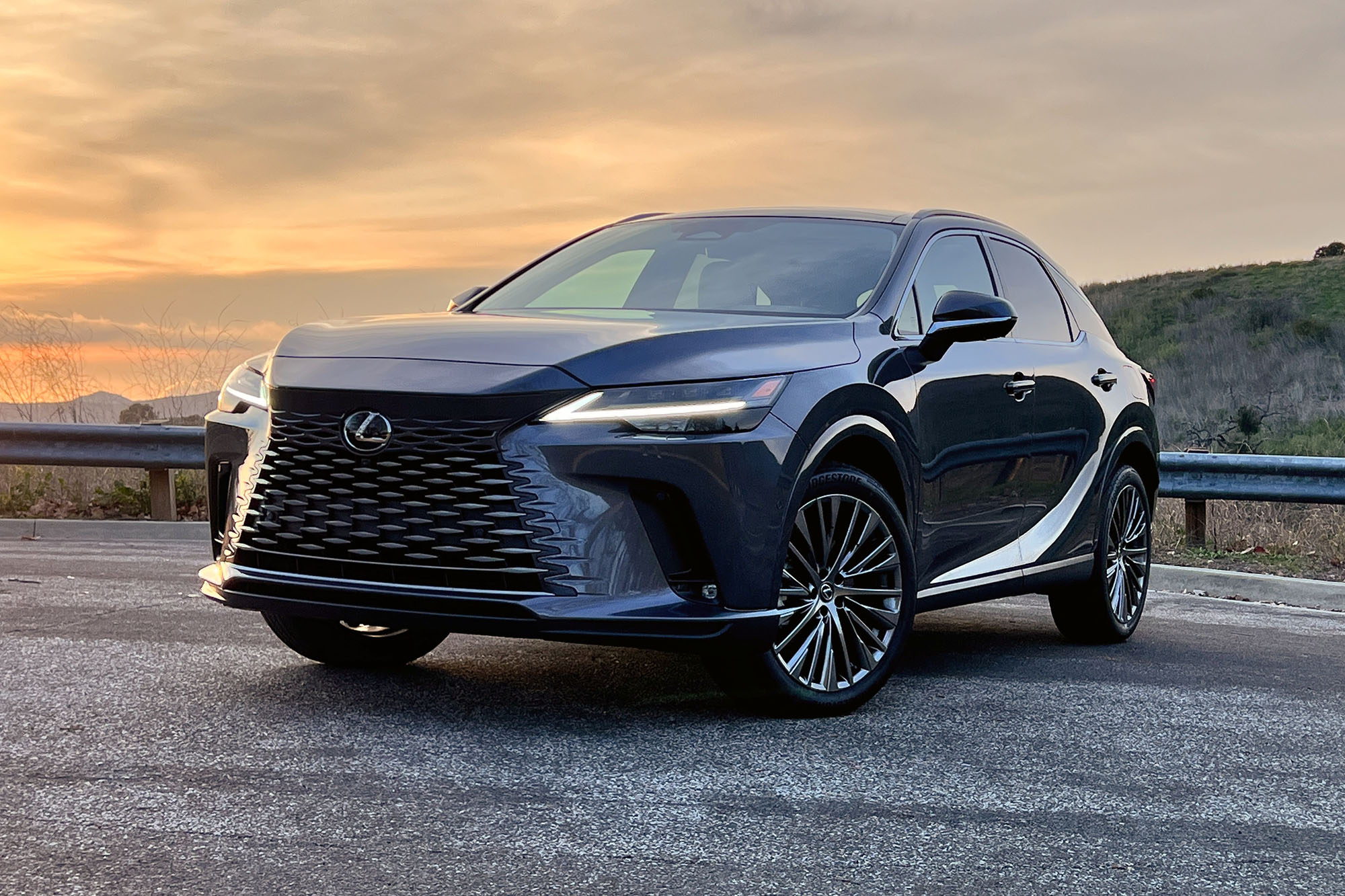
Driving a luxury sport sedan through a blizzard requires a careful balance of mechanical traction and driver discipline. The Lexus IS 300 AWD handles winter weather competently, combining a rear-biased all-wheel-drive layout with a stable 3.5-liter V6 engine outputting 260 horsepower. However, low ground clearance and standard performance-oriented stances mean it reacts differently to deep snow than a traditional crossover.
Understanding how the electronic stability systems, torque distribution, and tire chemistry interact on ice helps you maintain total control when temperatures plunge. Here is an unvarnished look at how this sedan manages freezing conditions and how to prepare it for safe winter commuting.
Drivetrain Mechanics and Snow Behavior
The IS 300 AWD system uses an electronic control unit to continuously monitor vehicle speed, throttle input, and wheel slippage. Under normal dry conditions, torque splits dynamically, but it can shift up to fifty percent of power to the rear or front wheels depending on grip availability.
This rear-biased heritage gives the car a neutral feel through sweeping turns, but it also means sudden throttle applications on slick ice can cause the rear end to step out before stability control intervenes. To see the full picture, we recommend the recent report by The New York Times.
Ground clearance sits at roughly 5.5 inches, which is the primary physical limitation in deep snow. If accumulation exceeds six inches, the flat underbody acts like a snowplow, lifting the tires off the packed surface and reducing friction.
Knowing this limit prevents you from attempting unplowed residential side streets where crossovers glide over drifts with ease. Sticking to treated highways and well-plowed commuter routes lets the vehicle shine.
Essential Tire Upgrades for Winter
Factory all-season tires harden when temperatures drop below forty degrees Fahrenheit, losing their ability to bite into snow and ice. Equipping dedicated winter rubber transforms the vehicle's cold-weather capability.
- Michelin X-Ice Snow: Features a rigid polymer compound that maintains flexibility in sub-zero climates, offering exceptional braking traction on packed ice.
- Continental VikingContact 7: Uses a silica-infused Nordic compound that evacuates slush efficiently, minimizing hydroplaning risks during messy thaws.
- Bridgestone Blizzak WS90: Employs a multi-cell compound with microscopic biting edges that grip slick intersections effectively as the tread wears down.
When sizing winter tires for the IS 300, many drivers prefer a square setup rather than staggered factory widths. A slightly narrower square tire profile cuts through slush more effectively and places more weight per square inch onto the snowy contact patch.
Managing Electronic Safety Systems
Modern Lexuses feature advanced stability management suites, including Vehicle Dynamics Integrated Management. In deep or loose snow, these systems can sometimes cut engine power too aggressively when you need wheelspin to maintain momentum.
Finding the right balance requires understanding when to use specific drive modes.
The Snow Mode button adjusts throttle mapping to soften initial power delivery, preventing sudden wheel slip from breaking traction off the line. If you get stuck in a snowy driveway, temporarily disabling traction control can allow the tires to spin just enough to clear the treads and find firmer substrate, though you should re-engage it immediately once moving.
Practical Winter Driving Techniques
Even with advanced all-wheel drive, physics dictates stopping distances and cornering limits. Sport sedans carry weight concentrated over the front axle, which influences how they react to sudden weight transfers.
- Brake before the turn: Complete all deceleration in a straight line before entering a corner. Braking while steering on ice upsets the chassis balance and triggers ABS prematurely.
- Keep steering inputs smooth: Jerky wheel movements overwhelm the contact patch. Make progressive, measured inputs to keep the suspension settled.
- Increase following distances: All-wheel drive helps you accelerate in snow, but it does nothing to shorten your stopping distance compared to a front-wheel-drive car on identical tires.
Common Winter Mistakes to Avoid
Drivers transitioning from front-wheel-drive hatchbacks or heavy SUVs often make specific errors in a low-slung luxury sedan during winter storms.
Relying entirely on the all-wheel-drive badge is the most frequent trap. All-wheel drive helps you get moving, but it offers zero assistance when stopping or turning on glare ice.
Another error involves neglecting tire pressure monitoring. Cold winter air causes tire pressures to drop significantly—losing roughly one to two PSI for every ten-degree drop in ambient temperature. Under-inflated winter tires compromise sidewall stability and reduce grip. Check pressures monthly throughout the winter season.
Frequently Asked Questions
Can the Lexus IS 300 AWD handle heavy mountain snowstorms?
It handles plowed mountain passes and moderate snowfall easily when fitted with certified winter tires. However, its low ground clearance means deep unplowed drifts will high-center the vehicle.
Does Snow Mode change the transmission gear?
Snow mode alters the throttle response curve and typically starts the vehicle in second gear to reduce wheel slip, while commanding earlier upshifts to keep torque levels manageable.
Should I install a narrower tire size for winter?
Many owners opt for a square 17-inch or 18-inch winter setup matching base vehicle specs. Narrower treads cut through slush more efficiently than wide performance tires.
How does cold weather affect fuel economy on this V6?
Cold ambient temperatures require longer engine warm-up cycles and dense air mixing, which typically reduces highway and city fuel efficiency by ten to fifteen percent during winter months.



