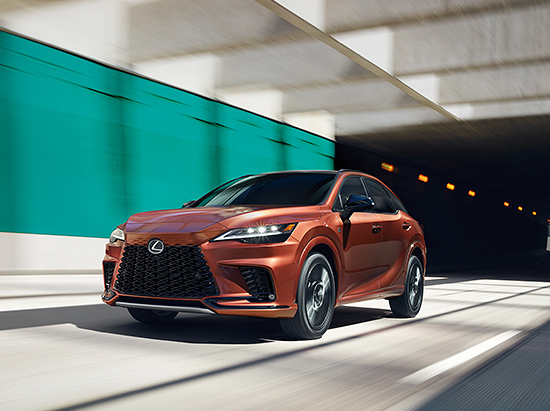
The Lexus GS 460 stands as a quiet milestone in the evolution of Japanese rear-wheel-drive performance sedans. Produced for the 2008 through 2011 model years, this luxury four-door replaced the GS 430 by introducing a larger 4.6-liter V8 engine paired with an advanced eight-speed automatic transmission. While it flew under the radar compared to its German rivals, it combined effortless power with bulletproof build quality, making it a fascinating machine for enthusiasts and luxury buyers looking for understated excellence.
Under the hood lies the 1UR-FSE engine, an engineering masterpiece shared with the flagship Lexus LS. It delivers 342 horsepower and 339 lb-ft of torque, pushing the sedan from zero to 60 mph in roughly 5.4 seconds. That power delivery isn't aggressive or abrupt; instead, it unfolds in a smooth wave that masks high velocities. Driving this car reveals a machine built for cross-country cruising rather than aggressive track days, prioritizing serenity above all else.
Engineering the V8 Heart
The defining characteristic of the GS 460 is its powertrain. Toyota equipped this V8 with both direct injection and port injection, a system known as D-4S. This dual-injection setup keeps intake valves clean while optimizing fuel atomization across varying loads.
The inclusion of an eight-speed automatic transmission was groundbreaking for its era. Most competitors were still utilizing six-speed gearboxes. The extra ratios allowed the engine to cruise at extremely low RPMs on the highway, yielding respectable fuel economy figures despite the large displacement. Drivers often note that shifting is virtually imperceptible during normal driving.
- Displacement: 4,608 cc
- Valvetrain: Dual VVT-iE (intelligent electric valve timing on intake)
- Horsepower: 342 hp at 6,400 RPM
- Torque: 339 lb-ft at 4,100 RPM
Cabin Comfort and Interior Design
Inside, the cabin reflects the traditional Toyota philosophy of craftsmanship. Soft leather seating, wood trim options, and Mark Levinson premium audio systems turned the interior into a sanctuary. Road noise is nearly non-existent, thanks to extensive acoustic dampening and a low drag coefficient of 0.27.
The layout favors functional ergonomics over flashy displays. Analog gauges feature crisp electroluminescent lighting, and the center console houses climate and audio controls neatly behind folding panels. Rear legroom is generous for a mid-size footprint, allowing adult passengers to stretch out comfortably on long road trips.
Driving Dynamics and Ride Quality
The chassis balances comfort and composure. Equipped with Adaptive Variable Suspension (AVS), drivers can switch between normal and sport modes to adjust damper firmness. In normal mode, imperfections in the pavement vanish underneath the tires. Sport mode tightens body roll during cornering, allowing the chassis to handle twisty back roads with surprising confidence.
Steering weight is light at parking speeds and firms up linearly on the highway. Braking is handled by ventilated discs at all four corners, offering progressive pedal feedback. It's a heavy vehicle at nearly 4,000 pounds, but the weight distribution feels neutral, preventing the front end from pushing too early in sharp turns.
Common Issues and Maintenance Realities
Buying or maintaining a GS 460 today requires attention to specific mechanical quirks. Because production numbers were quite low compared to the V6 GS 350, finding exact replacement parts can occasionally take extra effort.
- Brake Actuator Wear: The anti-lock braking system actuator can fail over time, leading to warning lights on the dash. Listen for excessive buzzing sounds near the master cylinder when opening the driver's door.
- Suspension Costs: Replacing the AVS electronic struts is significantly more expensive than standard shock absorbers if they begin to leak.
- Interior Trim: Early production models experienced minor dashboard rattles and wear on synthetic materials around the center console.
Frequently Asked Questions
How rare is the Lexus GS 460?
It is notably rare. Lexus sold far more GS 350 models with the V6 engine and GS 450h hybrids during the third generation. The V8-powered GS 460 was produced in limited quantities from 2008 to 2011, making clean examples difficult to find on the used market.
What is the real-world fuel economy?
Official ratings hover around 14 mpg city and 22 to 24 mpg highway. On flat interstate drives maintaining steady legal speeds, owners frequently report seeing up to 28 or 29 mpg due to the tall overdrive ratios in the eight-speed transmission.
Does the GS 460 require premium fuel?
Yes. With a high compression ratio of 11.8:1, the engine requires premium gasoline (91 octane or higher) to prevent engine knock and maintain optimal power output and fuel efficiency.
Is the GS 460 engine shared with other vehicles?
Yes, the 4.6-liter 1UR-FE/1UR-FSE engine family was also utilized in the Lexus LS 460 and select global-market Toyota SUVs, meaning core mechanical components of the block and valvetrain share proven, long-term durability.



