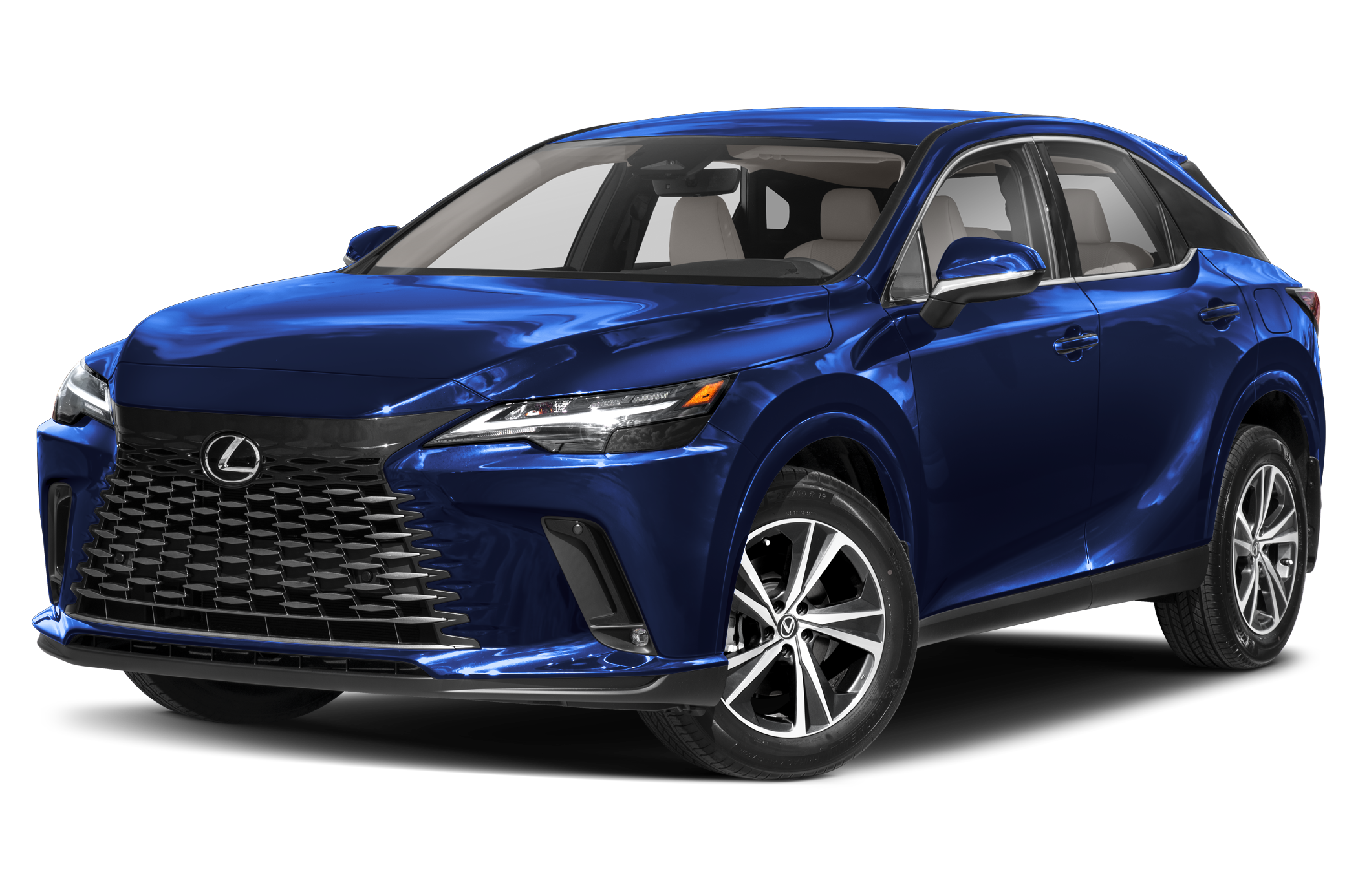
Lexus represents a convergence of meticulous engineering, refined luxury, and a long-term commitment to responsible innovation that defines a modern interpretation of good in the premium automotive sector. From its origins as a dedicated luxury division to its current portfolio of sedans, SUVs, hybrids, and performance models, the brand has built a reputation for reliability, customer experience, and technological advancement.
This article examines how Lexus operationalizes the concept of good through product excellence, ownership experience, and evolving sustainability strategies. You'll see how traditional Takumi craftsmanship meets modern electrification, and why reliability remains a cornerstone of the brand's enduring appeal.
The Foundations of Lexus Engineering and Luxury
Lexus emerged in the mid-1980s as a response to increasingly discerning luxury car buyers who sought not only performance and prestige, but also a sense of quiet confidence and long-term value. The division's foundational idea was simple and powerful: build the best possible car by focusing on details that drivers and passengers feel, hear, and experience over many years of ownership. This DNA continues to inform its products and services, positioning Lexus at a particular intersection of Japanese craftsmanship, digital innovation, and customer-centric philosophy.
At the core of the Lexus product proposition is its product strategy, which balances traditional internal combustion engines, electrified powertrains, and hybrid systems tailored to diverse markets and usage patterns. The brand's engineering approach emphasizes balance, tuning each model not just for raw numbers, but for real-world dynamics, comfort, and safety. This holistic focus manifests in everything from the smoothness of multi-stage turbocharging systems to the meticulous selection and refinement of interior materials.
Engineering excellence at Lexus is guided by a set of principles that prioritize durability, efficiency, and driver engagement. These principles are implemented through rigorous testing protocols, advanced materials, and continuous refinement of established technologies. The goal is to deliver vehicles that perform consistently well in varied conditions while maintaining a high level of refinement over their entire lifecycle.
- Precision handling and steering calibration tuned for stability and confidence-inspiring control.
- Advanced suspension designs that absorb road irregularities without compromising ride composure.
- Robust powertrain components supported by comprehensive warranty coverage.
- High-quality sound insulation that creates a serene cabin environment across all speed ranges.
The Pillars of Long-Term Dependability
Reliability has long been a cornerstone of the Lexus reputation, supported by data from industry research firms like J.D. Power that regularly rank the brand near the top for long-term dependability. This reputation is built on conservative engineering choices, extensive validation processes, and a parts and service network designed to support vehicles over many years. For many owners, the assurance that the vehicle will function as intended becomes a central element of the good Lexus experience.
Unlike brands that rush unproven technologies to market, Lexus typically validates components through extensive real-world testing and conservative performance thresholds. This minimizes mechanical failures and preserves resale value. When you buy a pre-owned Lexus with over one hundred thousand miles, the engine and transmission often operate with the same smoothness as a new vehicle off the assembly line.
- Conservative thermal management prevents premature engine wear and oil breakdown.
- Rigorous electronic diagnostic suites catch minor electrical anomalies before they cascade into major failures.
- Standardized assembly protocols enforced at flagship manufacturing facilities in Toyota City ensure uniform build quality.
The Modern Ownership Ecosystem
Lexus ownership extends beyond the specifications of the car itself, encompassing the entire journey from research to purchase, ownership, and eventual service or resale. The brand has invested heavily in customer experience, emphasizing personalized service appointments, transparent communication, and dealership environments designed to reduce stress and build trust. This attention to service interaction is increasingly recognized as a critical differentiator in the luxury segment.
Digital tools and connectivity features form another pillar of the modern Lexus ownership experience. The Lexus Interface infotainment system has evolved to include over-the-air updates, enhanced navigation capabilities, and voice-activated controls that minimize driver distraction. In parallel, remote services allow owners to check vehicle status, schedule maintenance, and even precondition the cabin temperature before a drive, all from a smartphone. These technologies reinforce the idea that Lexus good includes a seamless, informed, and supported relationship between the customer and the brand.
Navigating the Shift to Sustainable Mobility
As the automotive industry confronts emissions regulations, climate goals, and shifting consumer preferences, Lexus has pursued a multi-path strategy that includes hybrids, plug-in hybrids, battery electric vehicles, and hydrogen fuel cell prototypes. This diversified approach allows the brand to reduce average fleet emissions while meeting the practical needs and infrastructure constraints of different regions. It also provides a learning environment where technologies can mature and be refined before broader deployment.
One of the most visible expressions of this strategy is the widespread adoption of self-charging hybrid systems across the model lineup, from sedans and coupes to SUVs and crossovers. These systems combine internal combustion engines with electric motors, allowing the vehicle to operate in electric-only mode at low speeds, capture energy through regenerative braking, and optimize efficiency across a wide range of driving conditions. The result is a compelling balance of performance, refinement, and reduced environmental impact that aligns with the Lexus definition of good.
According to updates from the U.S. Department of Energy, hybrid adoption significantly lowers lifetime carbon emissions for drivers who split their time between urban stop-and-go commuting and highway cruising. By integrating these powertrains into luxury platforms without sacrificing ride comfort, Lexus makes sustainable driving practical for everyday consumers.
Looking Ahead: Safety, Agility, and Efficiency
Looking ahead, Lexus is calibrating its long-term vision under the themes of agility, efficiency, and safety, with specific targets around carbon neutrality and advanced driver assistance. The deployment of next-generation safety systems, which include enhanced active safety features and semi-autonomous capabilities, is framed not only as a regulatory requirement but as a moral obligation to protect occupants, pedestrians, and other road users. In parallel, the brand continues to explore sustainable materials, recycled components, and more efficient manufacturing processes as part of a broader responsibility to the environment and society.
In the competitive landscape of luxury mobility, the meaning of good is constantly evolving, shaped by technological breakthroughs, customer expectations, and global challenges. Lexus has positioned itself as a thoughtful participant in this evolution, one that combines time-honored values of craftsmanship and reliability with a forward-looking commitment to electrification, digital integration, and safety. By addressing the full spectrum of customer needs and societal expectations, the brand offers a compelling model of what it means to be good in today's automotive market.
Frequently Asked Questions
What makes Lexus engineering different from standard automotive manufacturing?
Lexus relies on Takumi master artisans who undergo decades of training to inspect vehicle components by hand, combining strict robotic tolerances with human sensory evaluation for paint finish, leather stitching, and mechanical balance.
Why do Lexus vehicles hold their resale value better than many competitors?
A proven track record of long-term mechanical dependability, lower frequency of major repairs, and conservative styling updates combine to protect vehicle depreciation curves over five- and ten-year ownership cycles.
How does the Lexus hybrid system differ from standard electric vehicles?
Self-charging hybrids don't require external plug-in charging infrastructure. They capture kinetic energy during deceleration and braking, storing it in a compact onboard battery to assist the internal combustion engine and maximize fuel economy.
Are over-the-air updates standard across all modern Lexus models?
Newer models equipped with the Lexus Interface infotainment system receive automatic software updates for navigation, multimedia functions, and safety system calibrations without requiring a physical dealership visit.



