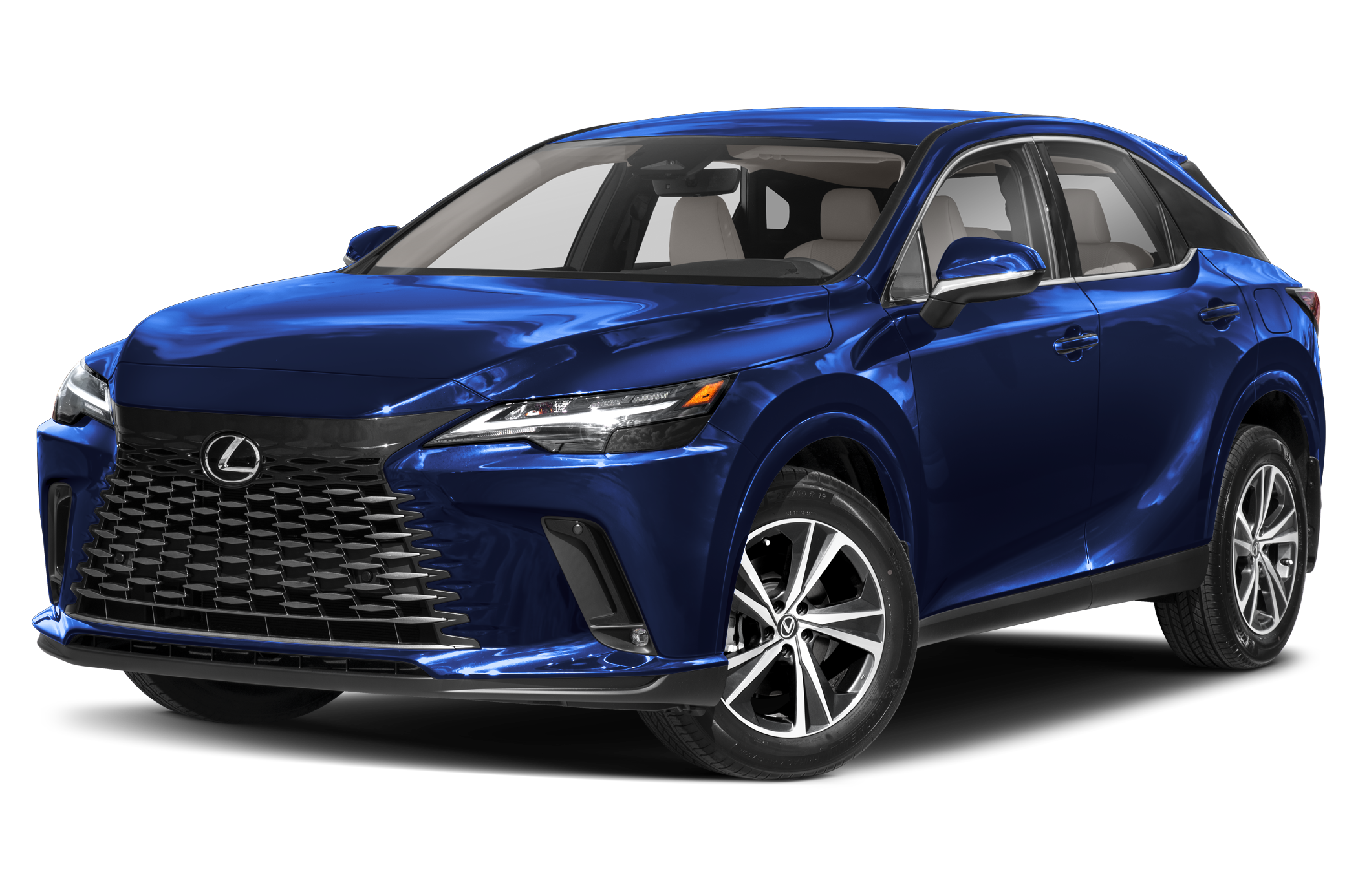
Navigating today's premium automotive sector requires balancing tight factory allocations with shifting consumer demands for electric vehicles. If you're managing a franchise or tracking high-end automotive retail, understanding how inventory levels, regional buyer incentives, and electrification interact is essential for staying competitive. Dealership floors no longer rely solely on traditional internal combustion engines, forcing sales teams to adapt quickly to new powertrains and complex pricing structures.
The modern showroom floor looks vastly different than it did a few years ago. Supply chain stabilization hasn't meant bloated lots; instead, manufacturers keep vehicle pipelines lean to protect residual values and brand cachet. For buyers and dealers alike, this tight control over production means that spotting the right window for purchase incentives or finding specific electric trims requires careful timing and market awareness.
Managing Luxury Inventory in a Tight Supply Market
Lexus dealerships have long benefited from a disciplined allocation model. Rather than flooding regional hubs with surplus units, corporate distribution limits supply to sustain high residual values and minimize lot stagnation. For a store principal, this means floorplan costs remain manageable, but it also leaves little room for error in ordering mixes.
Balancing traditional gasoline and hybrid models with battery-electric options creates a delicate operational puzzle. When hybrid variants command shorter days-on-lot compared to pure battery models, inventory managers have to adjust allocation requests based on localized infrastructure readiness. Urban centers with robust charging networks absorb battery-electric SUVs rapidly, while rural markets lean heavily on self-charging hybrids. More insights into this topic are detailed by Associated Press.
- Allocation precision: Dealerships analyze regional registration data to request high-demand trims rather than accepting generic factory pools.
- Turnover velocity: Traditional luxury sedans move steadily, but hybrid crossovers dictate the immediate cash flow of most stores.
- Floorplan optimization: Keeping days-supply metrics under strict thresholds prevents holding costs from eroding front-end margins.
Decoding Current Luxury Car Incentives and Subsidies
Pricing transparency has changed how luxury buyers approach negotiations. Because digital tools allow consumers to track national manufacturer rebates instantly, showroom conversations focus less on base sticker prices and more on structured lease programs and loyalty bonuses.
Incentives for electrified models shift frequently based on federal tax credit rules, regional climate programs, and quarterly sales targets. When a manufacturer introduces targeted lease subventions or conquest cash, adoption rates spike immediately. Buyers often look for stackable programs, combining corporate loyalty rewards with regional clean-vehicle rebates to offset initial depreciation.
For an insider perspective on national sales performance and retail trends, consulting automotive retail trackers like the Haig Report offers reliable quarterly visibility. Similarly, tracking manufacturer retail updates directly through official portals such as Lexus Electric Vehicles ensures you don't miss short-term financing adjustments or regional promotional windows.
The Operational Realities of the EV Transition
Transitioning a traditional luxury service and sales environment toward electrification demands significant capital investment. Technicians require specialized high-voltage training, and service bays need dedicated charging infrastructure to handle battery diagnostics safely.
Consumer hesitation around long-distance touring and charging speed remains a hurdle, even in the premium segment. Dealerships bridge this gap by offering extended test-drive programs, letting hesitant buyers experience electric daily driving without immediate commitment. Service departments increasingly anchor profitability as fixed operations adapt to software updates, brake service on regenerative systems, and battery health inspections.
- Infrastructure upgrades: Installing Level 3 DC fast chargers on-site provides immediate utility for customers and delivery fleets.
- Staff enablement: Sales consultants must explain kilowatt-hours, charging curves, and home installation logistics just as fluently as horsepower and leather grades.
- Fixed ops shift: Traditional mechanical repairs give way to software calibration, cooling loop maintenance, and thermal management checks.
Common Missteps in Luxury EV Marketing
Dealerships often struggle to market electric models using legacy playbooks that worked for V6 and V8 flagships. Treating a battery-electric vehicle like a standard luxury sedan ignores the specific lifestyle questions buyers ask.
Another frequent error is underestimating the importance of delivery education. When a customer takes delivery of an advanced electrified vehicle without a thorough walkthrough of regenerative braking modes, app-based charging, and pre-conditioning settings, frustration builds during the first week of ownership. High-end retail thrives on frictionless experiences, meaning the handover process matters just as much as the initial test drive.
Frequently Asked Questions
How do dealership inventory levels affect luxury vehicle pricing?
Tighter inventory restricts discounting, allowing dealerships to maintain stronger front-end gross margins. When supply matches localized demand closely, manufacturer rebates remain modest, and vehicle pricing stays firm near the MSRP.
What incentives are currently available for luxury electric vehicles?
Incentives vary widely by region and change monthly. They typically include subsidized lease rates, regional clean-air rebates, and loyalty bonuses for existing brand owners, though federal tax credit eligibility depends heavily on final assembly rules and battery mineral sourcing.
Why are hybrids selling faster than pure electric vehicles in some regions?
Hybrids offer the familiarity of gasoline refueling combined with improved fuel economy, eliminating range anxiety for drivers who lack home charging access or live in areas with sparse public fast-charging networks.
How does the EV transition impact long-term dealership profitability?
While new vehicle gross profits face margin compression across the industry, fixed operations such as specialized maintenance, software diagnostics, and accessory integration provide a stable and growing secondary revenue stream for dealerships.



