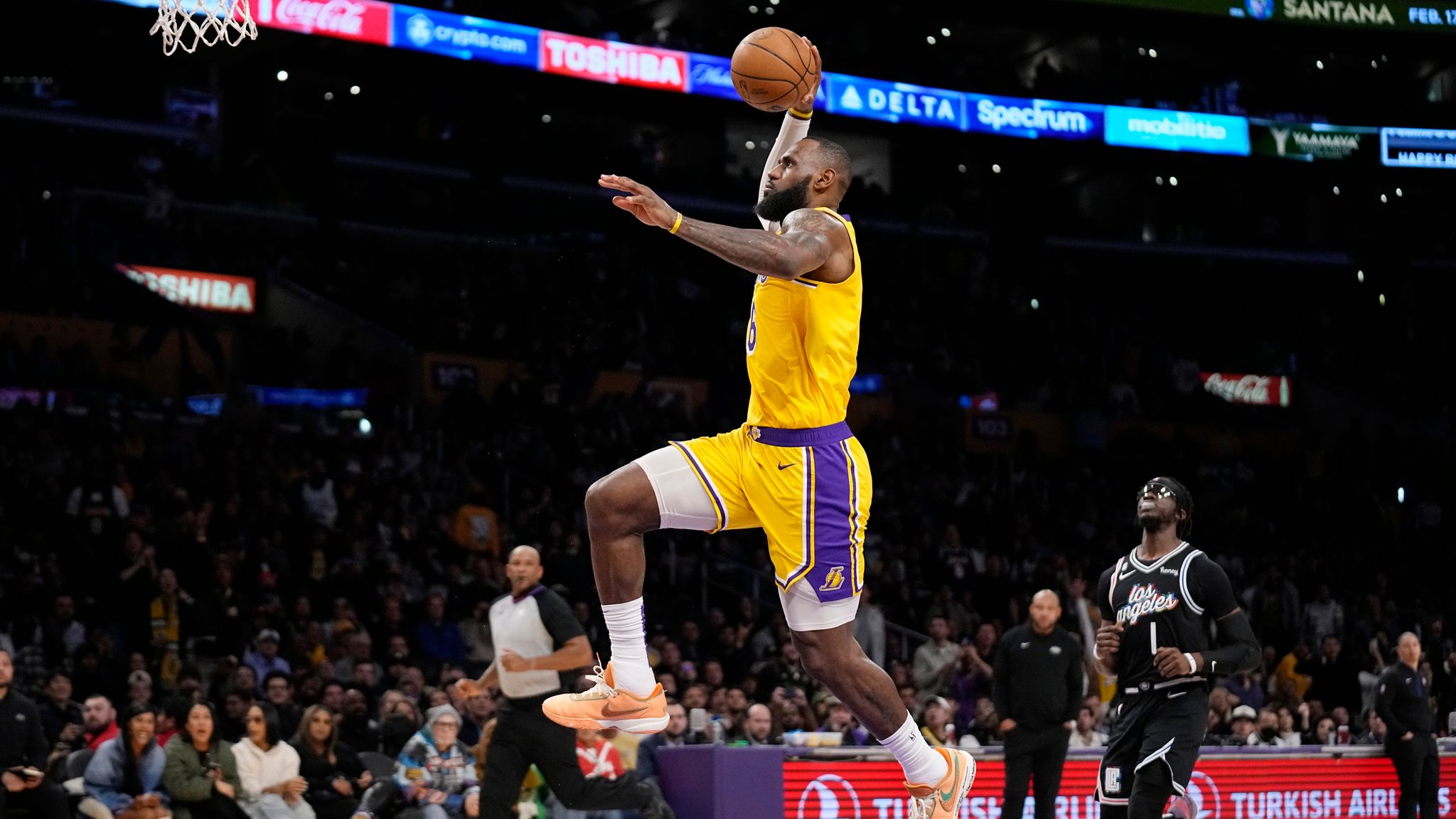
When tracking NBA greatness, counting rings tells only half the story. LeBron James has captured four championships across ten Finals appearances, but his footprint spans two decades of deep playoff runs, roster transformations, and shifting eras of basketball. To understand his championship legacy, you have to look past the raw trophy count and examine how he transformed three different franchises.
From his early baptism by fire in Cleveland to back-to-back dominance in Miami and a historic bubble title with the Los Angeles Lakers, LeBron's path offers a masterclass in basketball adaptability. Let's break down how his championship resume was built, where it faced adversity, and what makes his path unique in league history.
The Foundation: Early Cleveland Years and the 2007 Reality Check
LeBron entered the league in 2003 with impossible expectations, carrying the label of "The Chosen One" before playing a single minute. He dragged a mediocre Cleveland Cavaliers roster to the NBA Finals by his fourth season in 2007.
That first Finals appearance against the San Antonio Spurs ended in a four-game sweep. It exposed the stark gap between an elite individual talent and a seasoned championship machine. For another angle on this development, refer to the latest coverage from Reuters.
- The Roster Gap: The supporting cast lacked reliable secondary shot-creators, forcing LeBron to shoulder nearly every offensive burden.
- The Tactical Lesson: San Antonio built a defensive wall that dared inexperienced shooters to beat them, a blueprint that later playoff opponents would copy.
- The Mental Shift: This sweep proved that pure athleticism couldn't overcome structural franchise deficiencies, planting the seeds for his future roster movements.
Despite the sweep, reaching the Finals at age 22 put the league on notice. It took years of playoff heartbreak against the Boston Celtics and Orlando Magic to realize that winning a ring required more than a star player; it required an elite ecosystem.
The Miami Heat Era: Forging a Championship Blueprint
In 2010, LeBron made the controversial choice to join the Miami Heat alongside Dwyane Wade and Chris Bosh. The move created an immediate public backlash, but it delivered the exact structural support he needed to unlock his championship potential.
After stumbling against the Dallas Mavericks in the 2011 Finals—where a zone defense briefly neutralized his scoring aggression—LeBron adjusted his style. He added a reliable post-up game and cut down on predictable perimeter isolation.
Back-to-Back Glory in 2012 and 2013
Miami's peak arrived with consecutive titles. In 2012, they defeated the Oklahoma City Thunder, and in 2013, they survived a grueling seven-game series against the San Antonio Spurs.
- The 2012 Triumph: LeBron secured his first ring and Finals MVP by dominating the pace, averaging 28.6 points, 10.2 rebounds, and 7.4 assists per game.
- The 2013 Rematch: Facing elimination in Game 6 against San Antonio, he scored 32 points, hit a crucial late three-pointer, and carried Miami through overtime before winning Game 7.
Miami reached four straight Finals, proving that LeBron could function as the undisputed engine of a championship dynasty.
The Prodigal Son Returns: Cleveland's Historic 2016 Comeback
After returning to the Cavaliers in 2014, LeBron promised a title to his home region. That promise materialized in 2016 against a 73-win Golden State Warriors team that looked invincible.
Down 3-1 in the series—a deficit no team had ever overcome in the NBA Finals—Cleveland mounted a stunning reversal.
- The Statistical Peak: LeBron averaged 29.7 points, 11.3 rebounds, 8.9 assists, 2.6 blocks, and 2.3 steals over the seven games, leading both teams in every major statistical category.
- The Iconic Play: His chasedown block on Andre Iguodala in the final minutes of Game 7 remains one of the defining defensive plays in basketball history.
- The Cultural Impact: Bringing a championship back to Cleveland erased a 52-year city sports curse and cemented his legacy as a franchise savior.
Hollywood Gold: The Lakers Bubble Title and Later Years
Relocating to the Western Conference in 2018 brought new challenges. After missing the postseason in his first year due to injuries, LeBron teamed up with Anthony Davis to lead the Los Angeles Lakers to the 2020 championship inside the Orlando bubble.
Navigating the psychological strain of the COVID-19 pandemic bubble required immense organizational focus. LeBron averaged 29.8 points, 11.8 rebounds, and 8.5 assists in the Finals against Miami, capturing his fourth ring and becoming the first player in history to win Finals MVP with three different franchises.
Analyzing the Finals Record: Context Matters
Critics often point to his 4-6 record in the NBA Finals as a blemish when comparing him to players like Michael Jordan, who went 6-0. However, sports historians view those numbers through a different lens.
- Reaching the Stage: Reaching the Finals ten times requires elite consistency across 17 to 20 seasons. Many legendary scorers never reach the championship round more than once or twice.
- Quality of Opponents: LeBron faced historically dominant squads, including the San Antonio dynasty and the Golden State Warriors superteam featuring Kevin Durant, Stephen Curry, and Klay Thompson.
- Carrying Weak Teams: Several of his Finals appearances (such as 2007 and 2018 with Cleveland) featured rosters that would have missed the playoffs entirely without his production.
Frequently Asked Questions
How many total NBA rings does LeBron James have?
LeBron James has won four NBA championships. He won two with the Miami Heat (2012, 2013), one with the Cleveland Cavaliers (2016), and one with the Los Angeles Lakers (2020).
How many times has LeBron James been named Finals MVP?
He has won the NBA Finals MVP award four times, earning the honor during each of his four championship runs. This ties him for the second-most Finals MVPs in league history, trailing only Michael Jordan.
Which teams did LeBron defeat in the NBA Finals?
His four championship victories came against the Oklahoma City Thunder (2012), the San Antonio Spurs (2013), the Golden State Warriors (2016), and the Miami Heat (2020).
What is LeBron's overall record in the NBA Finals?
His overall series record in the Finals is 4 wins and 6 losses across 10 total appearances. He reached the championship round eight consecutive times between 2011 and 2018.


