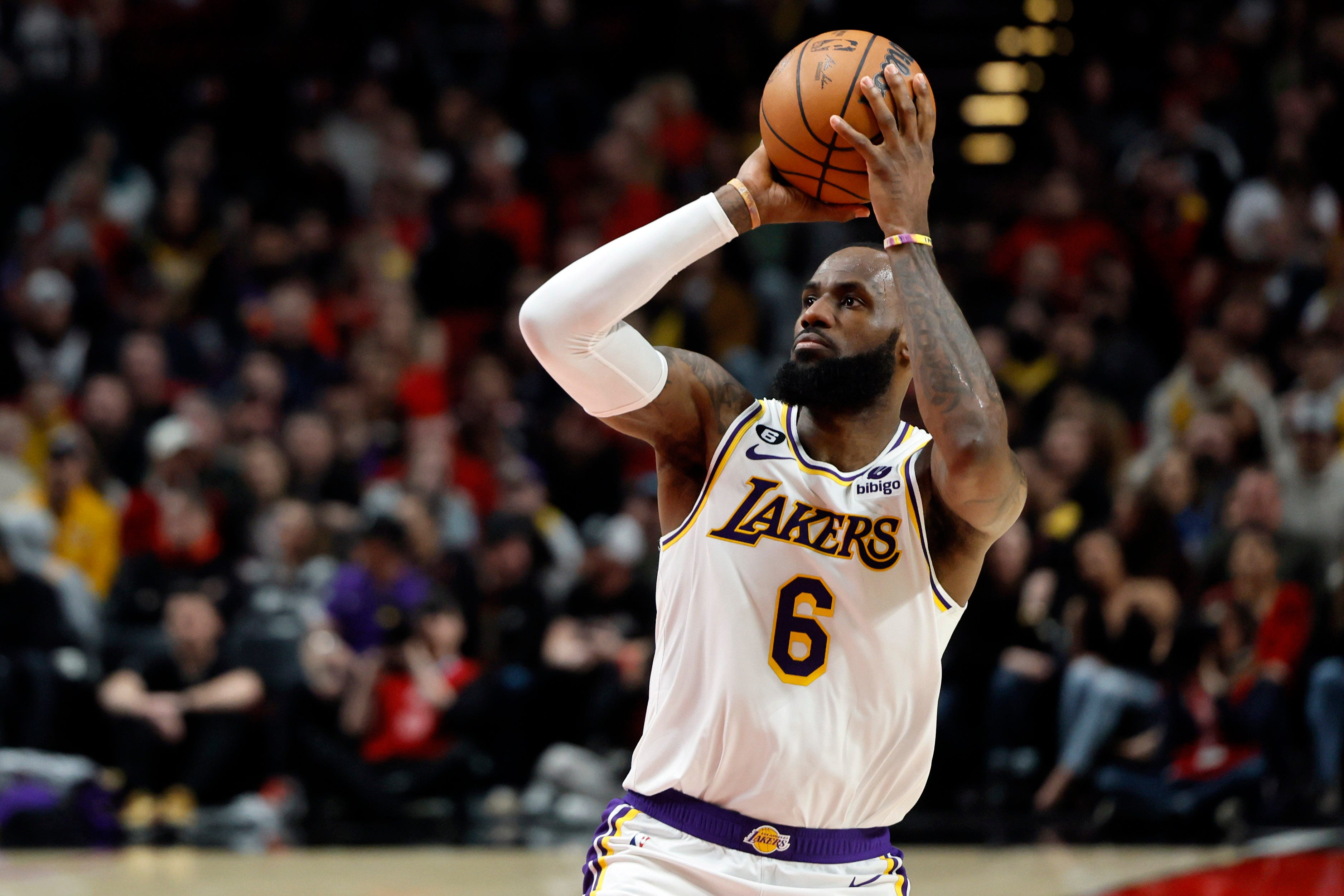
Greatness doesn't arrive by accident. When you watch LeBron James control an entire floor at age forty or Stephen Curry pull up from thirty feet with game-ending precision, you're looking at decades of microscopic habits stacked together. Most people think elite sports stars are born with unmatched gifts. They miss the relentless execution, the private film study sessions, and the structural discipline required to stay on top for twenty years.
LeBron James and Stephen Curry built two completely different basketball empires, yet their paths share a common structural DNA. One leaned into unprecedented physical gifts combined with hyper-intelligent court vision. The other weaponized shooting mechanics to force an entire global sport to change its geometry. Examining their journeys reveals the blueprint of how generational sports icons actually forge their legacies.
The Physical Foundation and Biomechanical Discipline
You can't talk about LeBron James without acknowledging a physical profile that defied conventional basketball expectations from the moment he stepped onto an NBA court in 2003. But raw size doesn't preserve a body through two decades of heavy contact and deep playoff runs.
LeBron reportedly invests millions of dollars annually into his body. This investment isn't just about weight room volume; it involves cryotherapy, hyperbaric chambers, tailored nutrition, and structural soft-tissue work. His physical dominance rests on a foundation of proactive maintenance rather than reactive recovery.
Stephen Curry took a different path to physical resilience. Early in his career, persistent ankle sprains threatened to derail his trajectory entirely. Instead of accepting fragile ankles as bad luck, Curry and the Golden State Warriors training staff completely overhauled his biomechanics.
- Hip and Core Engagement: Curry rebuilt his lower body stability by shifting his movement patterns to rely heavily on hip mobility and core strength.
- Functional Balance Training: He integrated single-leg stability exercises to protect vulnerable joints against lateral impact.
- Load Management: He paired precise minute distribution with sleep tracking to maximize cellular repair between games.
By correcting structural flaws early, Curry transformed a career-threatening weakness into an indestructible engine. That structural discipline allowed him to run circles around defenses well into his thirties.
Skill Mastery and the Anatomy of Practice
Natural talent gets you drafted, but obsessive repetition keeps you employed. Both players treat practice courts like laboratories where they test variables under game-speed conditions.
Curry's shooting sessions are legendary for their rigid structure. His trainer doesn't just count makes; they track game-speed fatigue levels. Curry must shoot under chaotic conditions that mirror fourth-quarter defensive pressure, where fatigue compromises form. If his mechanics slip by a millimeter, he repeats the sequence until muscle memory locks in.
LeBron approaches skill acquisition through total tactical comprehension. He watches countless hours of game film, memorizing defensive coverages across the league. When LeBron dribbles down the court, he isn't just reacting to the defender in front of him. He is running simulations based on pre-game prep, knowing where every single player on the court will rotate three passes ahead.
Mental Resilience and Adapting Through Setbacks
Every legend faces moments that threaten to break them. For LeBron, the scrutiny began when he was a teenager on the cover of Sports Illustrated, mounting immense pressure to deliver immediately. The 2011 NBA Finals loss with the Miami Heat stands out as a public crucible where his game and mentality were heavily questioned.
Instead of retreating, LeBron leaned into vulnerability. He reevaluated his approach, stripped away distractions, and returned the following season with an expanded post-game and a hardened mental armor that yielded back-to-back championships.
Curry endured years of skepticism regarding his frame, his draft stock, and his recurring injuries. When doubters claimed a jump-shooting team could never win a championship, Curry and the Warriors internalised that noise without letting it fracture their system. They kept shooting, kept moving the ball, and eventually revolutionized how basketball is played globally.
Longevity and Sustaining Peak Performance
The hardest part of a professional career isn't reaching the summit; it's staying there when younger, faster athletes try to knock you off. Maintaining an elite level over multiple eras requires radical flexibility.
LeBron transitioned from a high-flying athletic slasher into a methodical floor general who controls pace and dictates tempo. When his raw vertical speed naturally dipped, he maximized his basketball IQ, turning himself into one of the league's most lethal spot-up and pick-and-roll operators.
Curry adapted by expanding his off-ball movement. Recognizing that defenses would deploy multiple players to trap him past half-court, he turned conditioning into a weapon. He sprints off screens for forty-eight minutes, forcing opponents to exhaust themselves just tracking his shadow.
For further context on basketball history and player milestones, check out the National Basketball Association official site or explore historical archives via Basketball Reference.
Frequently Asked Questions
What daily habits contributed most to LeBron James's longevity?
LeBron's longevity stems from a strict regimen combining massive financial investments in personal body maintenance, advanced sleep routines, and an evolving playing style that relies on court vision over pure physical exertion.
How did Stephen Curry overcome his early career injuries?
Curry overcame chronic ankle sprains by working closely with trainers to strengthen his core and hips, changing his movement mechanics to absorb impact safely, and dedicating himself to specialized balance training.
How do LeBron and Curry differ in their approach to the game?
LeBron relies on supreme physical versatility paired with encyclopedic tactical knowledge, whereas Curry relies on relentless off-ball movement, cardiovascular endurance, and historical shooting mechanics.
What can aspiring athletes learn from their training methods?
Both players demonstrate that elite success requires treating practice with rigid accountability, analyzing performance through data and film, and adapting physical training methods as the body changes over time.



