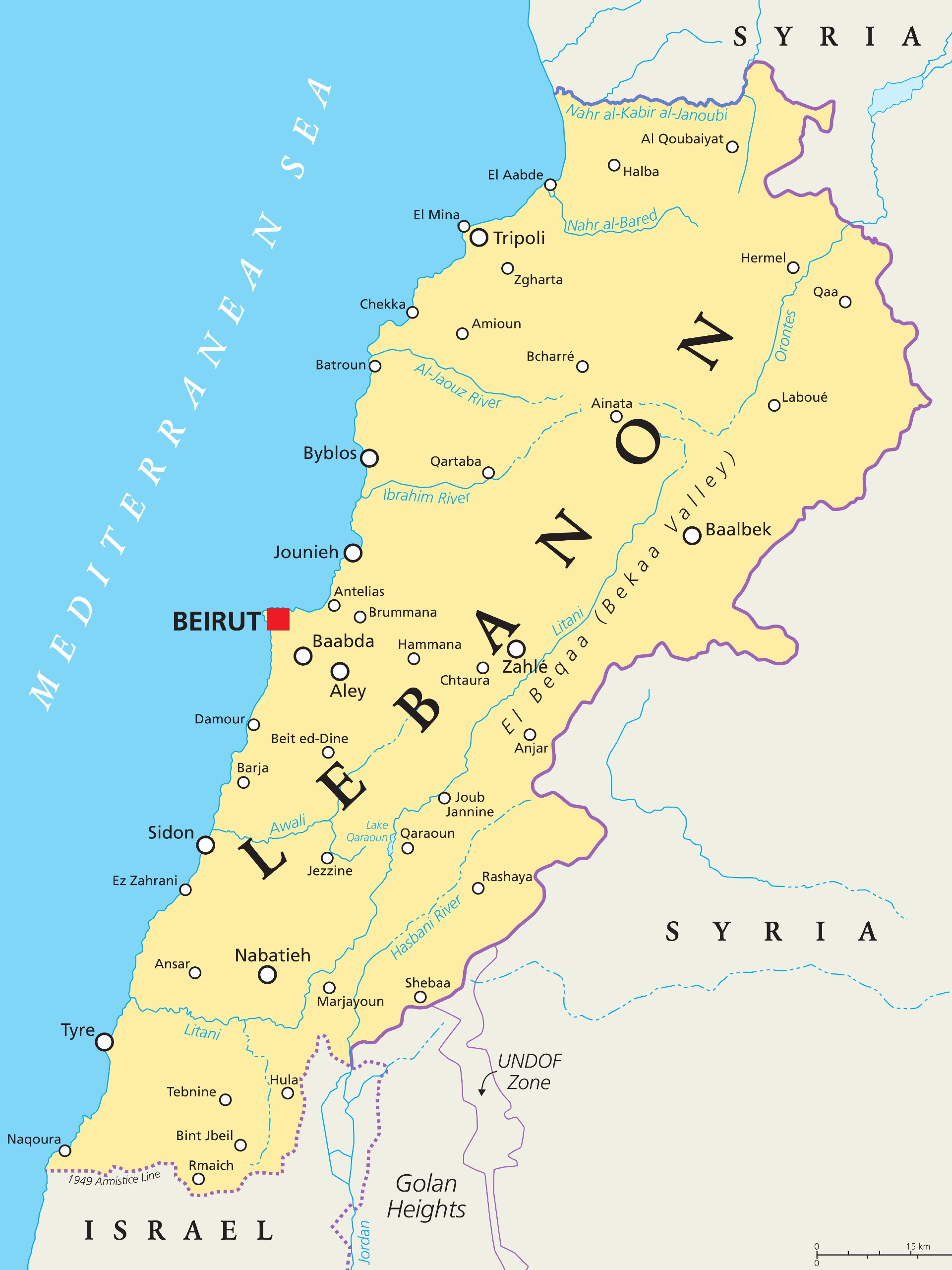
Decades of continuous conflict have left an indelible mark on Lebanon, transforming everyday life and shaping generations. When exploring Lebanon obituaries, researchers and historians aren't just looking at names on a page; they're uncovering the profound human toll of the Lebanese Civil War (1975–1990) and subsequent regional escalations. These records offer a sobering look at a nation that has endured some of the longest modern conflicts in the Middle East, documenting civilian losses, displacement, and the long-term transformation of a fractured society.
Understanding this historical context requires looking past standard news headlines to examine how structural violence, sectarian divisions, and regional interventions fractured communities. From the outbreak of fighting in April 1975 through the 2006 conflict and later flare-ups, the country's demographic landscape changed forever. This guide breaks down the historical background, the scale of recorded casualties, the archiving challenges families face, and the broader socio-cultural impact of these prolonged hostilities.
The Historical Scope of Lebanon's Modern Conflicts
Lebanon's modern history is defined by multiple overlapping conflicts rather than a single continuous war. The most devastating of these was the 15-year civil war that began in 1975, pulling in internal militias, regional factions, and foreign militaries, including Israel and Syria.
Subsequent military engagements, such as the 1978 and 1982 invasions, the 2006 July War, and ongoing border escalations, compounded the initial devastation. Each phase of violence added new names to local rolls of remembrance, church ledgers, and newspaper obituary columns. Because these conflicts often blurred the line between combatants and civilians, public records frequently reveal a disproportionate impact on urban centers like Beirut, Sidon, and Tripoli.
Key Factors Driving the Prolonged Instability
- Sectarian Power-Sharing: The National Pact of 1943 distributed power among religious communities, creating institutional rigidities that later fueled political grievances.
- External Interventions: The presence of the Palestine Liberation Organization (PLO), followed by Syrian military dominance and Israeli operations in the south, turned domestic disputes into proxy conflicts.
- Economic Collapse: Prolonged instability destroyed municipal infrastructure, devalued currency, and triggered massive waves of emigration that scattered grieving families across the globe.
Quantifying the Human Toll: Casualties and Missing Persons
Estimating the exact number of lives lost in Lebanon's modern conflicts remains a complex challenge for historians and human rights organizations. During the civil war alone, death tolls are widely estimated between 120,000 and 150,000 people, while hundreds of thousands more sustained severe injuries or chronic disabilities.
Beyond direct fatalities, the phenomenon of the missing and disappeared remains an open wound. Thousands of individuals vanished during checkpoints, abductions, and massacres between 1975 and 1990. Committees and families have spent decades pushing for official accountability, noting that many missing persons lack formal death certificates or traditional obituaries, leaving a permanent gap in national records.
According to data compiled by historical archives and international bodies like the International Committee of the Red Cross, tracing these missing individuals is critical for closure. Families often rely on oral histories, religious institution registries, and fragmented print archives from newspapers like An-Nahar or L'Orient-Le Jour to piece together personal histories.
Archiving Grief: How Obituaries Function in Lebanon
In Western nations, obituaries typically appear in standardized local newspapers with structured life summaries. In Lebanon, the practice of memorialization is deeply tied to religious affiliation, community networks, and public notices plastered on neighborhood walls.
When someone passes away—whether from natural causes or conflict-related violence—families traditionally publish formal announcements known as niciros or death notices. These flyers are posted on designated street corners, published in daily newspapers, and broadcast on local radio stations. They emphasize familial lineage, religious community, and specific mourning schedules.
Traditional Elements of Lebanese Death Notices
- Religious Invocations: Verses from the Quran or biblical scriptures reflecting acceptance and faith.
- Extended Lineage: Inclusion of grandparents, maternal/paternal uncles, and clan affiliations to map the family network.
- Condolence Protocols: Specific locations and times for receiving condolences, which often span three days in designated community halls.
Common Misconceptions About Lebanon's Conflict History
When analyzing historical casualties and obituaries in Lebanon, outsiders often fall into several analytical traps. Clearing up these misconceptions provides a more accurate picture of the nation's struggles.
- Misconception 1: The violence ended entirely in 1990. While the Taif Agreement officially concluded the civil war, low-level clashes, political assassinations, and regional wars continued intermittently for decades.
- Misconception 2: All casualties were military combatants. Urban warfare in Beirut and southern towns meant that dense civilian populations bore the brunt of shelling, blockades, and infrastructure collapses.
- Misconception 3: Centralized government databases track all deaths. Due to administrative fragmentation during and after the civil war, many records are decentralized across sectarian authorities, municipal offices, and private family archives.
Frequently Asked Questions
How many people died during the Lebanese Civil War?
Historians and demographic studies estimate that between 120,000 and 150,000 people lost their lives during the 1975–1990 civil war, with an additional one million displaced.
Where can historical Lebanese obituaries be found?
Most historical death records are preserved in the archives of major Lebanese daily newspapers, local church and mosque registries, and municipal offices across different governorates.
Why are street posters used for death notices in Lebanon?
Traditional street posters allow immediate notification of extended family members, neighbors, and community members within densely populated urban neighborhoods where digital reach was historically limited.
How did external actors influence the conflict's death toll?
Interventions by regional and international powers—including military incursions, funding for proxy militias, and airstrikes—intensified the scale of urban destruction and increased both civilian and combatant casualties.



