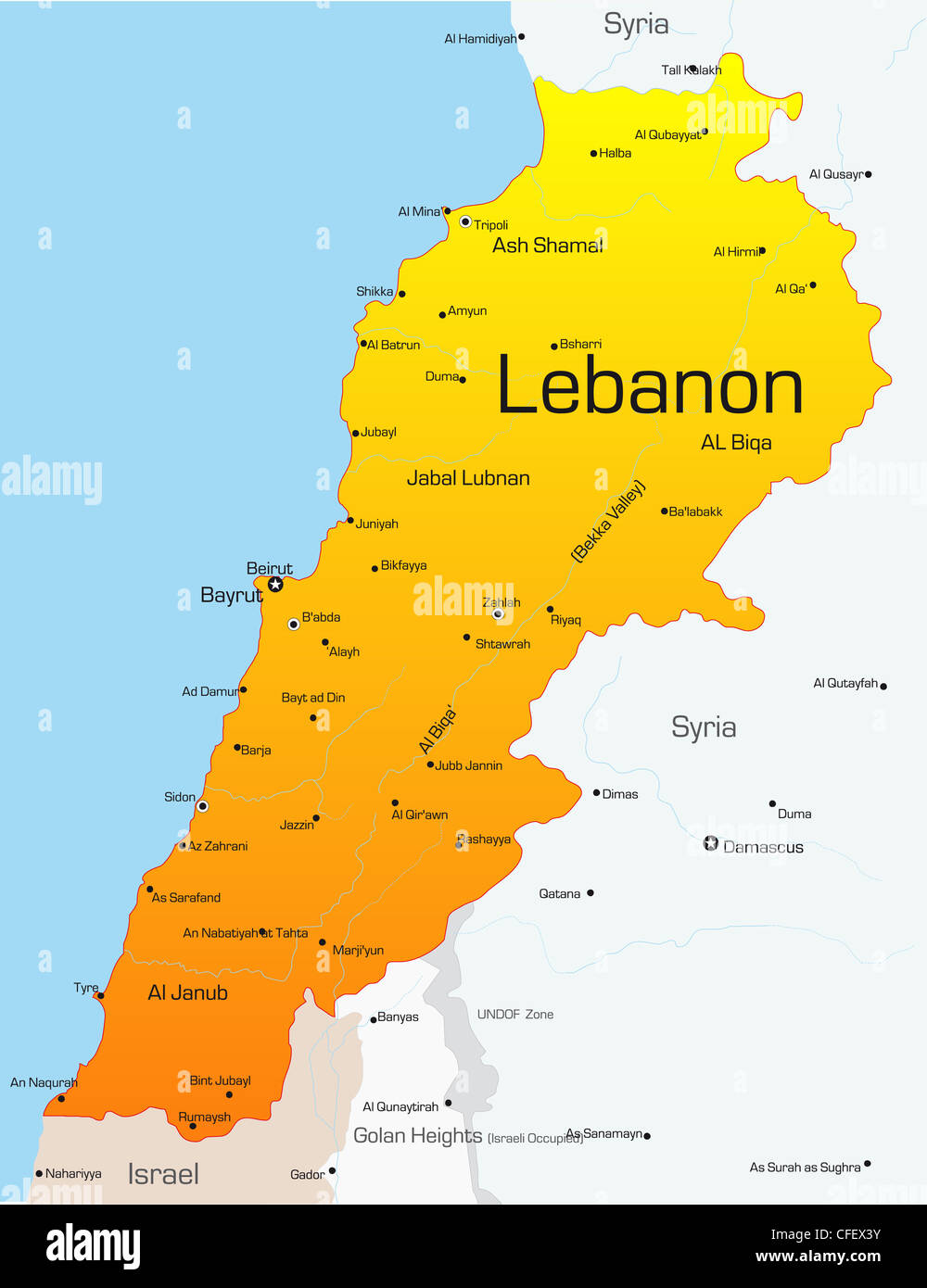
The relationship between Lebanon and Iran shapes the modern Middle East through a mix of religious, political, and military ties. At the center of this dynamic is Hezbollah, the powerful Shiite militia and political party that acts as Tehran's primary non-state ally in the Levant. Understanding how these two countries interact requires looking past simple headlines to examine decades of ideological evolution, institutional integration, and regional friction.
For decades, this relationship has influenced Lebanese domestic governance, economic stability, and foreign policy. While supporters view the alliance as a vital counterweight to regional adversaries, critics argue that it compromises Lebanese state sovereignty and deepens sectarian divisions. To grasp the full scope of this partnership, we need to trace its historical roots, structural mechanisms, and contemporary pressures.
Historical Foundations of the Relationship
Bilateral connections between the two nations stretch back centuries, long before the establishment of modern states. During the Safavid dynasty in the sixteenth century, Persian rulers invited Shiite clerics from Jabal Amel in southern Lebanon to help establish Twelver Shiism as the official state religion of Iran. These early scholarly exchanges created a foundational religious bridge between Persian theological centers and Lebanese communities.
Modern political alignment accelerated in the mid-twentieth century. Iranian-born cleric Musa al-Sadr moved to Lebanon in the late 1950s, where he organized the marginalized Lebanese Shiite community. Al-Sadr founded the Movement of the Disinherited and its military wing, Amal, which laid the groundwork for modern Shiite political mobilization.
The landscape shifted permanently with the 1979 Iranian Revolution. Tehran's new government sought to export its revolutionary ideology across the region. Amid the chaos of the Lebanese Civil War and the 1982 Israeli invasion, the Islamic Revolutionary Guard Corps (IRGC) deployed personnel to Lebanon's Bekaa Valley. There, they trained, funded, and unified various radical factions into a single cohesive force: Hezbollah.
Mechanisms of Iranian Influence in Lebanon
Iran exerts its influence in Lebanon through a multifaceted network that extends far beyond military assistance. Tehran utilizes political alliances, social welfare programs, and economic channels to embed itself within Lebanese society.
- Military and Strategic Support: Hezbollah functions as the cornerstone of Iran's "Axis of Resistance." Tehran provides substantial financial backing, advanced weaponry, and tactical training, transforming the group into a formidable military force that rivals the official Lebanese Armed Forces.
- Institutional and Social Welfare: Mirroring the model of Iran's internal institutions, Hezbollah developed a vast network of schools, hospitals, charities, and reconstruction agencies. This infrastructure fills gaps left by a historically weak Lebanese state, securing deep loyalty within the Shiite community.
- Political Integration: Hezbollah is not merely a militia; it is a major political party with seats in the Lebanese parliament and cabinet. This dual identity allows Tehran to project influence directly into Lebanese state decision-making, blocking policies or leadership appointments that run counter to its strategic interests.
According to a detailed overview on Wikipedia, this institutional entrenchment has allowed Tehran to maintain a reliable projection of power into the Mediterranean basin for over forty years.
Domestic Fallout and Economic Strain
The heavy entanglement of Iranian interests within Lebanon carries severe domestic costs. Lebanon's political system relies on a delicate sectarian power-sharing agreement designed to balance Christian, Sunni, and Shiite factions. Critics argue that Hezbollah's heavily armed status and unyielding alignment with foreign directives upset this balance, paralyzing state institutions.
The economic consequences have been devastating. As Lebanon suffers through a historic financial collapse marked by the severe depreciation of its currency, foreign donors from Western and Gulf nations have largely withheld aid due to concerns over governance and corruption. While Iran has occasionally offered fuel shipments and economic assistance, these packages fall short of addressing structural insolvency. Consequently, many Lebanese citizens across all sects blame the ruling political class—including Hezbollah—for fostering isolation from the global economy.
Regional Ramifications
The Lebanon-Iran axis extends well beyond Beirut's borders, serving as a primary instrument of Iranian regional projection. By maintaining a heavily armed ally on Israel's northern border, Tehran established a powerful strategic deterrent. This positioning gives Iran significant leverage in broader geopolitical negotiations with Western powers and regional rivals like Saudi Arabia.
At the same time, this dynamic turns Lebanon into a potential theater for proxy conflicts. Regional tensions invariably spill over into Lebanese domestic politics, complicating efforts to enact sustainable economic reforms or maintain internal security. Analyses from organizations such as the Washington Institute for Near East Policy regularly explore how these external pressures restrict the agency of ordinary citizens striving for democratic reform.
Frequently Asked Questions
When did Iran start getting involved in Lebanon?
While religious and scholarly ties date back centuries, modern political and military involvement began in earnest following the 1979 Iranian Revolution and intensified during the 1982 Israeli invasion of Lebanon, when the IRGC helped establish Hezbollah.
Does Hezbollah take orders directly from Tehran?
Hezbollah shares an ideological alignment with Iran's religious leadership and receives extensive financial and military support from the country. However, analysts view the relationship as a partnership with shared strategic goals rather than a simple top-down command structure, as Hezbollah also responds to internal Lebanese political dynamics.
How does this relationship affect everyday Lebanese citizens?
The alliance deeply divides public opinion. Supporters credit Hezbollah with providing social services and defending national borders, while critics argue that the alignment isolates Lebanon from international financial aid, deepens sectarian friction, and worsens the ongoing economic crisis.
What role does the Lebanese government play in this dynamic?
The official Lebanese state often struggles to assert authority over foreign policy decisions made by non-state actors within its borders. Because Hezbollah participates directly in the parliament and coalition governments, state institutions frequently find themselves constrained from taking actions that might displease Tehran.



