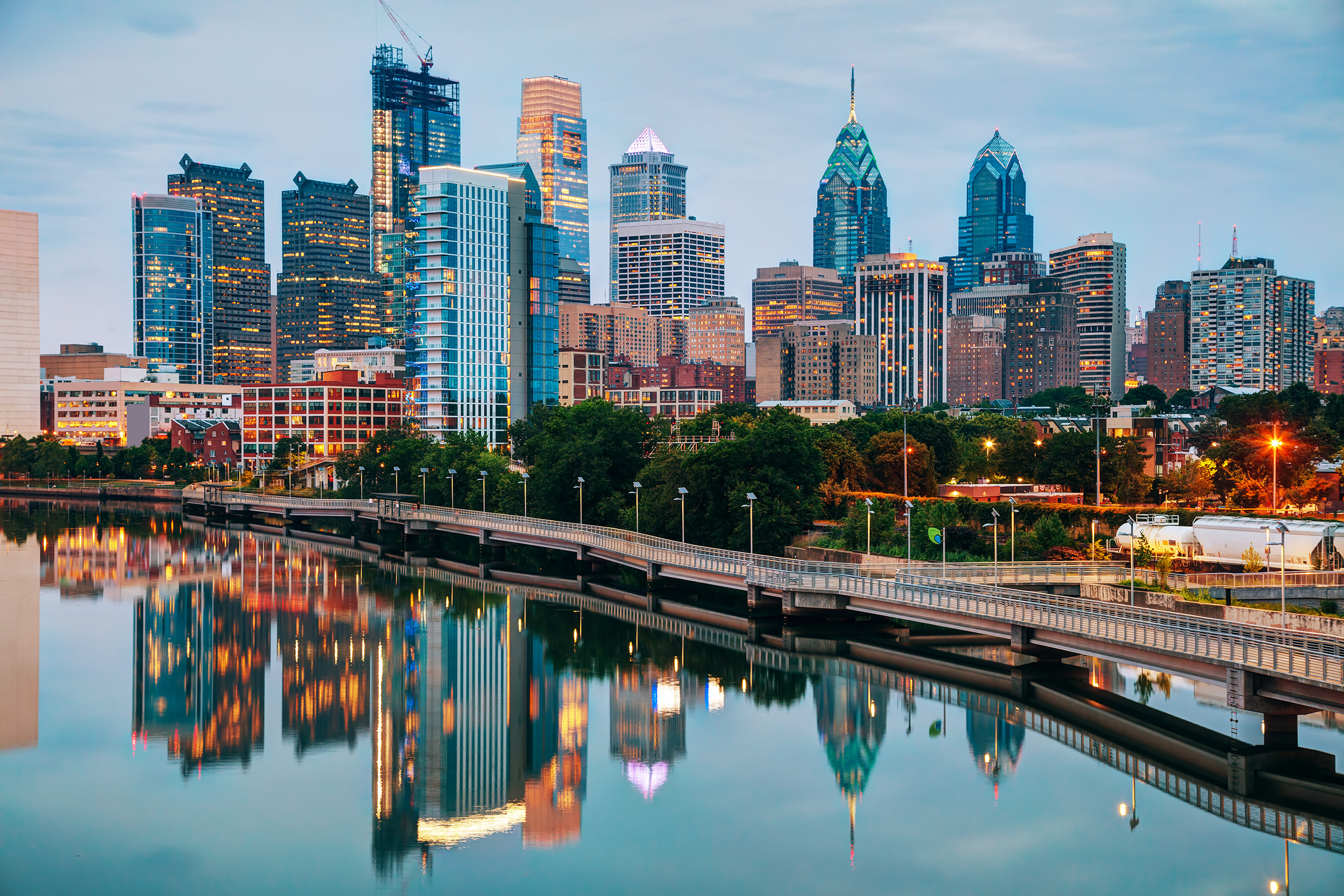
Deciding whether to pack up and leave Philadelphia isn't a casual choice. You're weighing the gritty charm, world-class food scene, and relative affordability of the City of Brotherly Love against persistent urban stressors like high wage taxes, unpredictable municipal services, and neighborhood safety concerns. If you're standing at a crossroads wondering if your time in Philly has run its course, you need a clear-eyed look at what life after moving actually entails.
Leaving a major metropolitan area requires looking past the emotional fatigue of potholes, transit delays, or rising rents to evaluate your long-term financial and personal goals. Whether you're eyeing a quiet suburb, a lower-tax state, or a brand-new region across the country, sorting through the actual trade-offs helps ensure your next move is a step forward rather than a reactionary escape.
The Push Factors: Why Philadelphians Are Packing Up
When people finally decide to leave, a specific set of persistent frustrations usually triggers the move. Philly offers plenty of rewards, but daily friction wears down even the most loyal residents over time.
The True Cost of Local Taxes
While housing prices in Philadelphia often look like a bargain compared to New York City or Boston, the tax burden catches many residents off guard. The city levies a steep wage tax on anyone working within city limits, whether you live there or commute in. When you combine property taxes, state income tax, and the local wage tax, your take-home pay shrinks faster than it would in many surrounding townships or competing states. For remote workers or dual-income households trying to save for a home purchase, that monthly tax chunk represents thousands of dollars a year that could otherwise go toward savings.
Municipal Frustrations and Infrastructure
Living in an older American city means dealing with aging infrastructure. Street sweeping is sporadic, litter frequently accumulates on corners, and parking can turn into an aggressive daily blood sport. SEPTA, the regional transit backbone, faces ongoing funding debates, staffing shortages, and reliability issues that test the patience of daily commuters. If your quality of life depends on clean streets, reliable public services, and seamless urban management, the day-to-day grit of Philly can eventually feel overwhelming.
Schools and Family Planning
Many young professionals fall in love with Philadelphia in their twenties, enjoying the vibrant restaurant scene and walkable neighborhoods. Once children enter the picture, the calculus shifts dramatically. Navigating the public school system requires entering a complex lottery or shouldering expensive private school tuition. While neighborhood public options exist, the widespread inconsistency across the district drives many families across city lines to Montgomery, Delaware, or Bucks County just before kindergarten starts.
The Pull to Stay: What You Will Miss
Before you break your lease or list your rowhome, it's vital to acknowledge what makes Philadelphia genuinely difficult to replace. Many expats find themselves homesick for specific aspects of the local culture that smaller towns or cookie-cutter suburbs simply cannot replicate.
Unmatched Urban Affordability
By East Coast standards, Philly remains an anomaly. You can still buy historic homes with original hardwood floors and marble steps for a fraction of what you'd pay in Washington, D.C. or Brooklyn. Rental inventory, while climbing, gives renters a fighting chance to live alone or score square footage that would cost a fortune elsewhere.
Culture, Food, and Walkability
Philadelphia is a city built at a human scale. You can walk from Rittenhouse Square to Old City or Bella Vista in under a half hour, passing centuries of history along the way. The culinary landscape extends far beyond cheesesteaks, featuring award-winning BYOBs, exceptional neighborhood spots, and diverse immigrant communities. Museums, independent theaters, and a passionate local arts community give the city a cultural punch well above its weight class.
Financial and Logistical Realities of Leaving
If you've decided that moving is the right path, transitioning out of Philadelphia requires careful financial planning. Moving away often introduces unexpected costs that offset perceived savings.
- Commute Adjustments: If you keep a job in Center City but move to the distant suburbs or across the river to New Jersey, factor in the hidden costs of tolls, regional rail passes, or lost hours spent sitting on the Schuylkill Expressway.
- Property Tax Shifts: While suburban school districts often boast better test scores, their property taxes can be substantially higher than what you paid living in city limits. Always calculate total housing costs—principal, interest, insurance, and taxes combined—rather than looking at the purchase price alone.
- Car Ownership Expenses: If you've spent years relying on Philly's walkability, SEPTA, and Indego bikes, moving to a car-dependent area means budgeting for vehicle payments, insurance, maintenance, and gas.
How to Make the Final Decision
Choosing to leave a city shouldn't be based on a single bad week of blocked driveways or a frustrating interaction with city bureaucracy. Sit down and evaluate your trajectory over the next three to five years.
Write out your non-negotiables. If your primary goal is buying a sprawling detached home with a large yard, staying in a South Philly rowhome will only breed resentment. Conversely, if you value walking to a corner cafe and attending live music every weekend, moving to a quiet subdivision might leave you feeling isolated.
Take a test run if possible. Spend a few weekends exploring the specific suburbs or cities you're considering. Talk to recent transplants who made the exact same jump. Sometimes, the solution isn't leaving the metropolitan area entirely, but rather shifting from one neighborhood to another that better matches your current life stage.
Frequently Asked Questions
Is crime the primary reason people leave Philadelphia?
While safety concerns frequently surface in local discussions, migration data shows that career changes, the search for better public schools, and the desire for more housing space are the leading drivers of moves out of the city. Safety perceptions vary wildly depending on the specific neighborhood and block.
How does the cost of living compare if I move to the suburbs?
Moving to nearby Pennsylvania suburbs or southern New Jersey often increases your monthly housing and property tax expenses, though you typically gain square footage, yards, and access to higher-rated public school districts.
What is the best way to handle selling a Philadelphia rowhome?
Rowhomes have unique architectural features, such as alley parking, party walls, and narrow staircases, which can complicate moving day. Hiring local movers familiar with tight Philly streets and obtaining temporary moving permits from the Philadelphia Parking Authority can prevent severe logistical headaches.
Are remote workers still moving out of Philadelphia?
Many remote professionals initially moved to the Philly suburbs or rural Pennsylvania during the height of remote work flexibility. However, a recent return to hybrid office requirements has caused some expats to move back closer to regional transit lines to ease their commute.



