Leaving home for the first time triggers a profound psychological shift that many people underestimate. You pack your bags, sign a lease or a college dorm agreement, and expect a straightforward milestone of independence. Instead, a wave of disorientation hits you. This acute distress isn't just standard homesickness. For many, the rupture from a familiar environment and core support system registers in the brain as a genuine trauma response.
Understanding why this transition feels so destabilizing helps you navigate the complex emotional fallout. When you leave your childhood home, you lose physical anchors, daily routines, and unspoken emotional safety nets. Recognizing the underlying causes of this distress and the specific ways it manifests in your daily life allows you to address the root issues rather than just pushing through the discomfort.
The Psychological Mechanics of Relocation Stress
Your brain relies heavily on environmental cues to maintain a sense of safety. Familiar sights, sounds, smells, and the physical presence of family or lifelong friends create a baseline of stability. When you relocate, that baseline vanishes instantly.
Psychologists refer to this disruption as environmental discontinuity. Your nervous system stays on high alert because every corner of your new space is entirely unknown. You expend significant cognitive energy simply figuring out where things are, how to navigate public transit, or where to buy groceries. This constant micro-decision-making drains your mental resources, leaving you vulnerable to anxiety, fatigue, and depressive symptoms.
The shock is particularly sharp when the move is abrupt or involuntary, such as fleeing an unsafe household, sudden job relocation, or financial eviction. However, even chosen transitions—like heading off to university or moving to a new city for a dream job—can trigger severe distress. Society tells you that you should feel excited, which often forces people to suppress their grief and anxiety, compounding the psychological weight.
Recognizing the Symptoms of Relocation Trauma
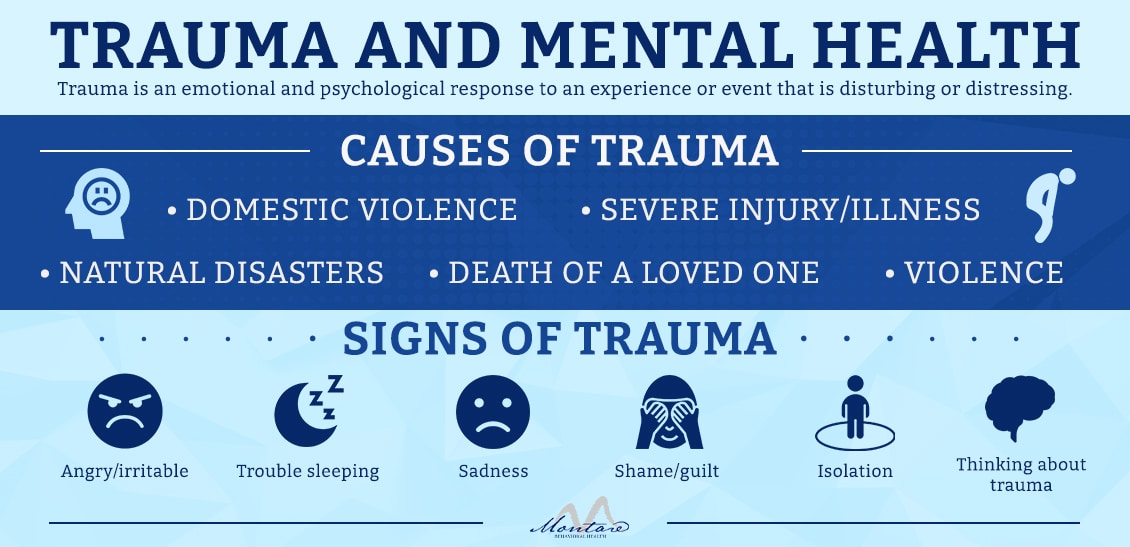
The emotional toll of leaving home rarely presents as simple sadness. It shows up in behavioral, cognitive, and physical ways that can catch you completely off guard.
Cognitive and Emotional Toll
- Persistent hypervigilance: You might feel constantly jittery, scanning your new environment for threats or feeling unable to fully relax in your own living space.
- Grief and disorientation: You experience waves of deep sorrow for a life and routine that no longer exists, even if your relationship with your family was complicated.
- Identity disruption: Without the daily reflection of family and old friends who knew your history, you may feel like you don't fully know who you are in your new setting.
Physical Manifestations
- Sleep disturbances: Difficulty falling asleep, frequent waking, or vivid stress dreams about being lost or trying to get back home.
- Digestive issues: Stress directly impacts your gut-brain axis, leading to stomach aches, nausea, or loss of appetite during the first few weeks in a new place.
- Weakened immunity: Chronic high cortisol levels from adjustment stress make you more susceptible to catching common colds or feeling constantly rundown.
Common Pitfalls During the Adjustment Period
When trying to cope with the stress of leaving home, people often fall into habits that prolong their suffering rather than easing the transition.
One major mistake is attempting to recreate your old life instantly. Trying to force your new apartment or dorm to look, feel, and function exactly like your childhood bedroom prevents you from adapting to the present. It keeps you anchored in nostalgia, turning your living space into a shrine to the past rather than a functional launchpad for your future.
Another common error is complete isolation or, conversely, hyper-social distraction. Some people lock themselves indoors, avoiding the neighborhood entirely out of anxiety. Others pack every single evening with social events to avoid being alone with their thoughts. Both extremes backfire. Real adjustment requires a middle ground: safe solitude balanced with small, manageable doses of exploration.
Building a Practical Recovery Framework
Navigating the aftermath of leaving home requires intentional steps to soothe your nervous system and build a sustainable routine.
For additional insights on managing major life transitions and mental health support resources, you can consult guidance provided by the Canadian Mental Health Association.
Frequently Asked Questions
Is it normal to feel depressed after moving out of my parents' house?
Yes, absolutely. Leaving home is a major life disruption that involves genuine grief. Even when moving out is a positive and desired step toward independence, the sudden loss of your support network and familiar environment frequently triggers depressive symptoms and anxiety.
How long does relocation stress typically last?
For most people, acute symptoms begin to subside within three to six months as new routines form and the environment becomes familiar. If intense distress, isolation, or anxiety persists past six months and significantly impacts your daily functioning, speaking with a licensed mental health professional is recommended. You can find accredited practitioners through the American Psychological Association.
Should I call my family every day to cope with homesickness?
While staying in touch is important, calling home multiple times a day can sometimes stall your adjustment process. It keeps one foot in your past life and prevents you from fully engaging with your new environment. Find a communication balance that keeps you connected without letting nostalgia dominate your daily life.
What if I need to move back home because the transition is too hard?
Moving back home is not a failure; it is a recalibration. Life circumstances, financial pressures, or mental health challenges sometimes make the first attempt at independent living unsustainable. If you need to return, treat it as a temporary regrouping period rather than a permanent defeat.


