Lease to own mobile homes offer a functional bridge to homeownership if you can't qualify for an immediate mortgage. Instead of walking away empty-handed from years of monthly rent, you enter an agreement where a portion of your payments builds credit or directly credits a future purchase. Yet, navigating these contracts requires sharp attention to detail. Hidden maintenance clauses, ambiguous contract structures, and fluctuating community land fees can quickly turn an affordable path into a financial trap.
Understanding how these agreements operate protects your capital and helps you secure the property without unexpected legal or monetary setbacks.
How Lease to Own Mobile Home Agreements Work
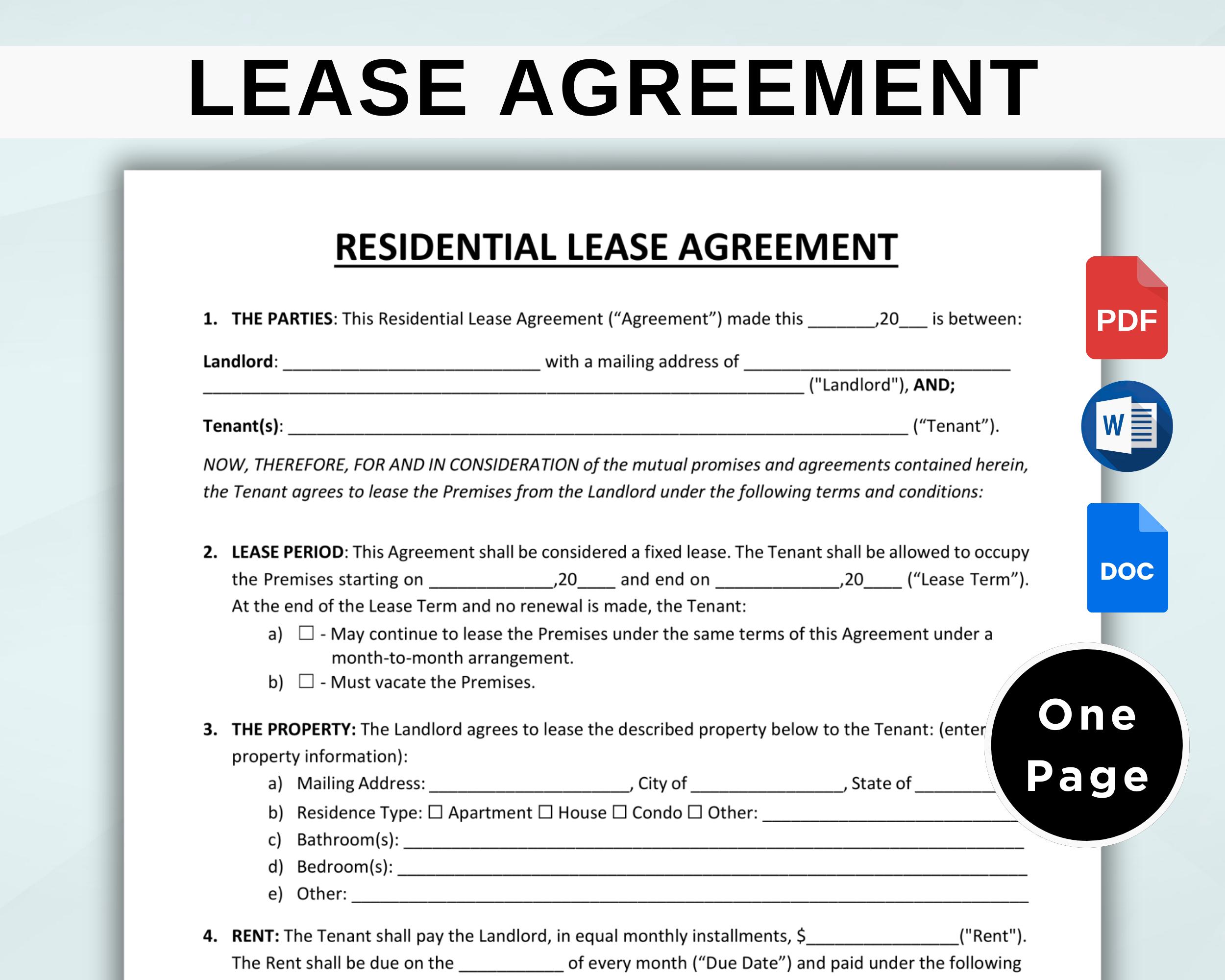
A lease to own arrangement generally falls into two distinct legal categories: a lease-option contract or a lease-purchase agreement. Each structure handles your legal commitment and financial liability differently.
- Lease-Option Contracts: This contract gives you the right to buy the mobile home at the end of the rental term, but it does not force you to do so. If your financial situation changes, or if you decide the neighborhood isn't right, you can walk away. You will typically forfeit your upfront option fee and any accumulated rent credits, but you avoid a breach-of-contract lawsuit.
- Lease-Purchase Agreements: This contract legally binds you to purchase the home when the lease term expires. You are obligated to secure financing or pay the remaining balance in full on the closing date. Failing to complete the purchase can result in severe financial penalties, loss of all accumulated credits, and potential legal action from the seller.
Most agreements run between one and three years. During this period, you pay an upfront option fee—usually ranging from $2% \text{ to } 5%$ of the home's agreed purchase price. Your monthly payments run roughly $10% \text{ to } 15%$ higher than standard market rent, with a designated portion acting as rent credits toward the down payment.
Financial Breakdown: Upfront Costs vs. Long-Term Expenses
Entering a lease-to-own arrangement demands less capital than a traditional bank mortgage, but it carries higher ongoing carrying costs. On an $80,000 single-wide manufactured home, your immediate costs typically include:
- Option Consideration Fee: $1,600 \text{ to } 4,000$ paid upfront for exclusive rights to purchase.
- Security Deposit: Standard rental security deposit, separate from the option fee.
- Monthly Rent Premium: Higher monthly outlays than a standard rental to accumulate equity credits.
You also must account for the land beneath the home. If the mobile home sits inside a commercial manufactured home community, you will pay a separate monthly lot rent to the park operator. According to data tracked by the Consumer Financial Protection Bureau, park-owned land leases often come with annual ground rent escalations that you cannot control, altering your monthly budgeting over time.
Evaluating the Pros and Dangers
Weighing the advantages against the hidden liabilities prevents costly missteps during your lease term.
The Benefits
- Lower Initial Capital: You avoid the steep $3.5% \text{ to } 10%$ down payment required by standard FHA or chattel loan programs.
- Credit Improvement Window: The lease term gives you 12 to 36 months to pay down revolving debts and raise your credit score to meet traditional mortgage thresholds.
- Locked Purchase Price: Setting the final purchase price at the start of the contract protects you if local housing values appreciate.
The Core Risks
- Forfeiture of Funds: Walking away from a lease-option means losing your initial option fee and every dollar of accumulated rent credit.
- Maintenance Burden: Many contracts shift full repair responsibilities to the tenant from day one, even though you do not yet hold the title.
- Financing Denial: If your credit score fails to reach lender standards by the end of the term, you lose your purchasing rights and accumulated funds.
Critical Steps Before Signing Any Contract
Protecting your investment requires verifying details that sellers or park operators sometimes obscure.
- Request an Independent Appraisal: Never accept the seller's valuation at face value. Hire an independent appraiser familiar with manufactured housing to verify the home's true market value.
- Inspect the Title Status: Confirm that the seller owns the home free and clear. If the seller still holds an active mortgage on the unit, a default on their end can jeopardize your occupancy.
- Review Park Rules and Lot Leases: Read the community guidelines, background check policies, and restrictions on sub-leasing or home modifications.
- Consult a Real Estate Attorney: Have a licensed attorney in your jurisdiction review the contract to verify whether it is structured as an enforceable lease-option or a rigid lease-purchase.
Frequently Asked Questions
What credit score do I need for a lease-to-own mobile home?
Most private sellers and specialized rent-to-own programs accept credit scores starting between 500 and 580. The primary goal during your lease is to raise that score to at least 580 to qualify for an FHA loan or 620 for a conventional loan before the term expires.
Do I pay property taxes while renting-to-own?
Usually, the legal owner of the home remains responsible for property taxes during the lease period, but check your contract carefully. Some agreements shift tax liabilities or community fees directly to the tenant.
What happens if the home loses value during my lease?
If you signed a lease-option contract, falling market values mean you can choose not to buy the home, walking away from the agreement without being forced to pay an inflated price. Under a lease-purchase contract, you remain legally bound to buy the home at the originally agreed-upon price.
Who pays for major structural repairs?
While standard rentals place major structural maintenance on the landlord, many lease-to-own mobile home contracts assign all repair duties to the occupant. Clarify maintenance expectations in writing before signing.


