When someone challenges your point of view, your heart rate spikes and your mind races to construct a rebuttal before they even finish speaking. That automatic surge is defensiveness at work, and it's the single biggest barrier stopping you from truly hearing others and growing as a person.
Learning to listen and resisting defensiveness aren't just polite social habits; they're the foundational mechanics of emotional maturity. When you stop treating feedback as a threat to your identity, you unlock deeper relationships, sharper problem-solving abilities, and genuine self-awareness.
Why Defensiveness Hijacks Your Growth
Defensiveness is an evolutionary reflex designed to protect your social status and ego from perceived danger. When criticism or challenging perspectives enter the room, your brain's amygdala treats the interaction just like a physical threat, triggering a fight-or-flight response.
Instead of processing the words coming out of the other person's mouth, your cognitive energy shifts entirely toward self-preservation. You might interrupt, dismiss their evidence, or counterattack with a past mistake of theirs. This reflex shields your short-term ego at the steep cost of your long-term evolution. To get more details on this topic, extensive analysis can be read on The New York Times.
Psychologists note that chronic defensiveness stems from a fragile sense of self-worth. If you tie your entire identity to being flawless, any critique feels like an existential failure. Breaking this cycle requires separating your inherent value as a human being from your performance, choices, or behaviors in any given moment.
The Mechanics of Active Listening
True listening requires far more than staying quiet while waiting for your turn to speak. It is an active, disciplined cognitive state that requires overriding your internal monologue to inhabit another person's perspective.
When you engage in active listening, you look past the delivery method—which might be clumsy, emotional, or harsh—to find the core data beneath the words. According to research from the American Psychological Association, developing this capacity transforms interpersonal conflict from an adversarial battle into a collaborative investigation.
To build this skill, you have to practice deliberate cognitive restraint. This means letting go of the urge to fix, judge, or refute the moment a sentence ends.
Actionable Strategies to Overcome Defensiveness
Changing deep-seated communication habits takes structured effort. You can't simply decide not to be defensive; you need concrete tactical interventions to interrupt your automatic reactions.
- Introduce a physical pause: When you feel your chest tighten or your jaw clench during a tense conversation, take a deliberate three-second pause before uttering a single word. This brief window lowers your physiological arousal.
- Separate intent from impact: Acknowledge that someone's negative experience of your actions is valid, even if you didn't mean to cause harm. Focusing on impact stops you from wasting time defending your pure intentions.
- Ask clarifying questions: Replace statements like "That's not what happened" with prompts like "Can you walk me through the specific moment that felt frustrating?" This keeps the dialogue moving forward.
- Separate agreement from comprehension: You don't have to agree with a critique to understand it. You can repeat back a perspective to show you grasp it without conceding your entire stance.
Consider a professional scenario where a colleague points out a missed deadline on a shared project. A defensive response sounds like, "I was waiting on design assets from marketing all week, so it's not my fault." A listening-based response sounds like, "I hear that my delay pushed back your timeline. Let's look at how we can prevent that bottleneck on the next sprint." The first shuts the door; the second solves the problem.
The Ripple Effects on Leadership and Relationships
Communication patterns dictate the health of every system you belong to, whether it's a romantic partnership, a family, or a professional team. Research published in the Harvard Business Review demonstrates that leaders who master empathetic listening cultivate higher levels of psychological safety among their teams, which directly correlates with retention and innovation.
When people feel safe expressing difficult truths without facing immediate retaliation or defensive posturing, problems surface faster and get solved cleaner. You stop wasting energy managing egos and start channeling that energy into productive execution.
Moreover, practicing this kind of emotional discipline changes how you view yourself. You stop needing to be right in every argument and start prioritizing being effective, curious, and adaptable.
Tracking Your Progress Through Reflection
Change doesn't happen overnight, and you will still catch yourself slipping into reactive patterns. The key is how you handle those realizations after the fact.
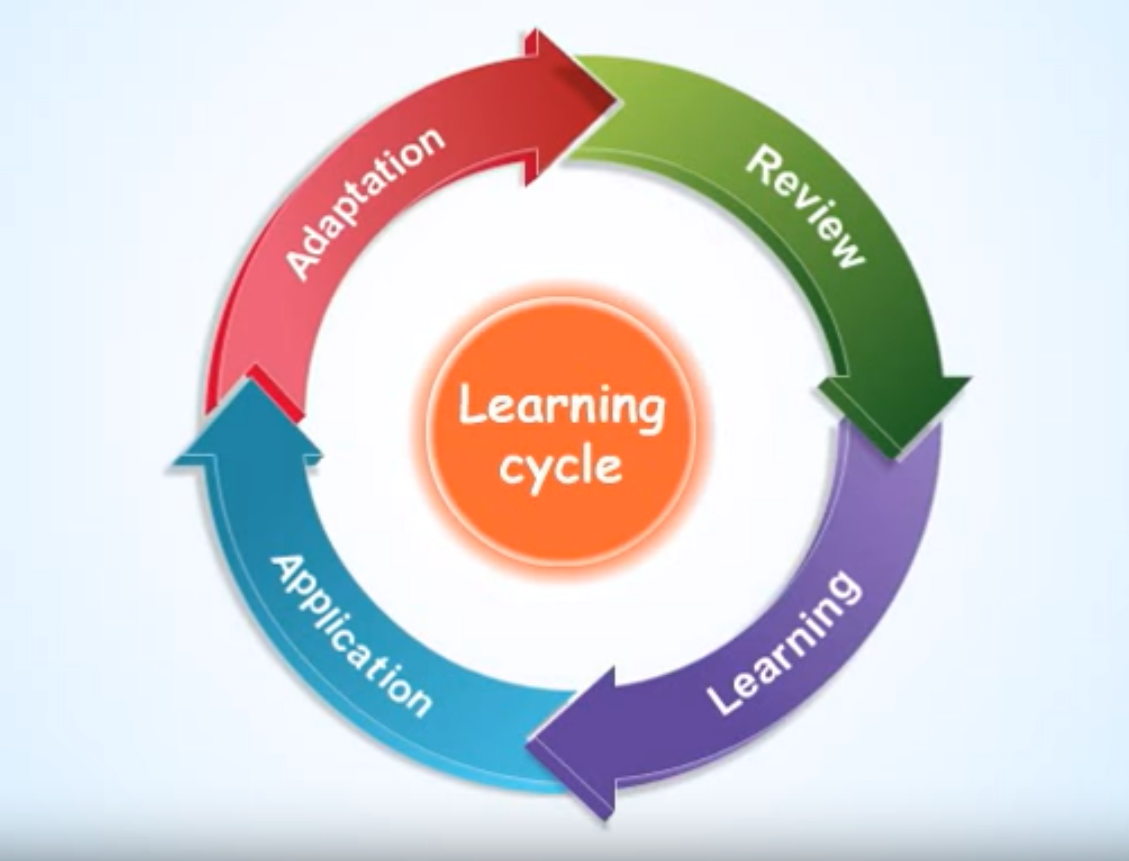
At the end of each week, take ten minutes to journal about a challenging conversation where you felt the urge to put up your guard. Write down what triggered the reaction, how your body felt, and what you wish you had done differently. This documentation turns everyday friction into a repeatable feedback loop for self-improvement.
Frequently Asked Questions
Does resisting defensiveness mean I have to accept unfair criticism?
No. Resisting defensiveness simply means you process input calmly before reacting. You can listen carefully, evaluate the feedback on its merits, and calmly reject it or set firm boundaries if it's baseless or abusive.
How can I stop myself from interrupting when I feel attacked?
Keep your hands physically still—such as resting them flat on a table or clasping them together—and focus entirely on breathing out slowly while the other person finishes speaking. Physical stillness helps anchor your impulse to cut in.
What if the other person is communicating disrespectfully?
You can separate the message from the delivery. Address the disrespectful tone calmly later, but first acknowledge any valid substance within their critique to prevent the entire interaction from devolving into a shouting match.
Can listening skills really be improved as an adult?
Yes. Because listening and impulse control are behavioral habits rooted in neural pathways, intentional repetition and mindfulness exercises can rewire your conversational responses at any age.



