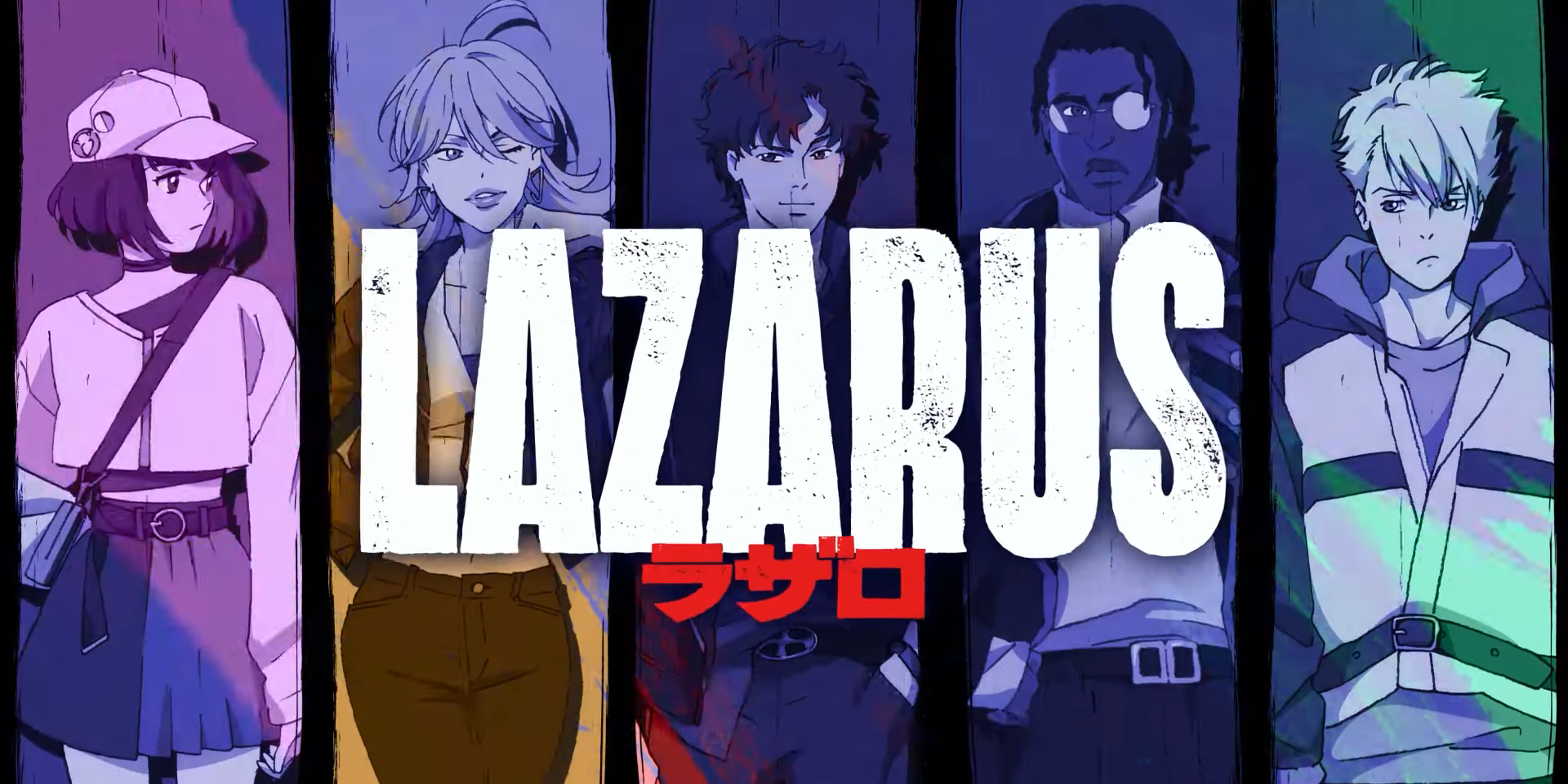
The third season of The Lazarus Project forces viewers and characters alike to confront a terrifying reality. Bringing someone back from the dead doesn't fix grief; it only opens a door to an ethical abyss. When a narrative centers on resurrection, the traditional rules of storytelling fracture. Characters don't find closure in revival. Instead, they find themselves trapped in a complex web of moral compromise, identity fragmentation, and unintended consequences.
The stakes in this season shift away from simple scientific marvels. We're watching the collapse of boundaries that were never meant to be breached. Let's look closely at how the resurrection narrative evolves past the point of no return and why this storytelling pivot matters for modern speculative fiction.
The Psychological Weight of the Returned
In early seasons of sci-fi thrillers featuring resurrection, the primary tension usually revolves around the act of bringing someone back. Season 3 bypasses that novelty entirely. The technical hurdle has been cleared, leaving characters to deal with the psychological fallout of who—or what—comes back.
When consciousness is manipulated and death is treated as a temporary setback, identity loses its anchor. The show explores several unsettling aspects of this phenomenon:
- Fragmented Memories: Revived individuals often exhibit cognitive dissonance, recalling events that never happened or viewing their past lives through an alien lens.
- The Alienation of Second Chances: Coming back to a world that has moved on creates profound isolation. The returned person feels like a ghost walking among the living.
- The Burden of Expectation: Loved ones expect the resurrected person to seamlessly resume their old role, ignoring the psychic scar tissue left by mortality.
These narrative choices transform a standard sci-fi plot device into a profound study of trauma. You can't undo the experience of dying, and the narrative refuses to pretend that a quick reboot restores a pristine soul.
Corporate Interference and the Commodification of Life
Once a technology like resurrection exists in a fictional universe, institutional actors inevitably weaponize it. The plot shifts from a personal, driven quest to a corporate and political power struggle. When life can be manufactured or restored, it instantly becomes a commodity.
This shift introduces a bleak hierarchy of mortality. If revival requires immense resources, it transforms into a luxury good for the wealthy elite, while everyday people remain subject to permanent loss. The narrative highlights three major systemic dangers:
- The Inequality of the Afterlife: Wealthy factions monopolize revival technology, creating a permanent class divide where death is optional for some and absolute for everyone else.
- Military Applications: Governments view resurrected soldiers as the ultimate strategic asset—an army stripped of the fear of mortality, perfect for endless conflict.
- Consent Violations: The narrative questions whether someone who has experienced death can truly consent to being dragged back into a harsh, restrictive world.
By grounding these high-concept ideas in institutional greed, the series grounds its speculative elements in very recognizable human flaws.
Character Descent and the Cost of Control
Protagonist arcs in resurrection narratives typically follow a downward spiral of obsession. What starts as an act of profound love curdles into a desperate need for control. When you resurrect someone, you inadvertently position yourself as a deity over their existence.
This dynamic poisons relationships from the inside out. The person who performed the revival expects eternal gratitude or total compliance, while the resurrected individual fights fiercely for autonomy. It's a toxic loop of creator and creation.
- Isolation of the Architect: The protagonist becomes completely cut off from allies who realize the immense danger of the project.
- Moral Erosion: Every compromise made to keep the technology running pushes the character further from their original, noble intentions.
- The Loss of Humanity: To manage the horrors of their own creation, characters must harden themselves emotionally, becoming as cold as the machines they build.
According to media analysis from outlets like The Guardian, modern television increasingly favors anti-hero narratives that reject neat, happy resolutions in favor of lingering, uncomfortable questions about human ambition.
Frequently Asked Questions
What makes Season 3's resurrection narrative different from earlier seasons?
Earlier seasons focus on the physical and technical challenge of beating death. Season 3 assumes the technology works and focuses entirely on the psychological, social, and ethical fallout of living with the consequences.
Is the resurrected person considered the exact same individual?
The narrative deliberately blurs this line. While they share memories and physical traits, their experience of death and non-existence alters their core identity, leading to unpredictable personality shifts.
Why do corporate and political interests hijack the project?
In a world where death is reversible, the entity controlling the technology holds ultimate power over labor, warfare, and societal hierarchy, making it an irresistible target for powerful organizations.
How does the show handle the ethics of playing god?
Instead of using explicit lectures or moralizing dialogue, the story demonstrates the ethics through lived consequences—showing how characters lose their humanity, freedom, and relationships in pursuit of control over mortality.



