Law enforcement tattoo ideas carry heavy historical weight, serving as permanent markers of service, trauma, camaraderie, and sacrifice. While civilian tattoos often focus on personal aesthetics, police body art functions as a visual shorthand for an insular subculture, signaling membership in a high-stakes profession where trust and survival are paramount.
Understanding these symbols requires looking past popular media portrayals to examine the specific imagery officers choose, why they select it, and how department policies regulate what's visible on the street.
Primary Motifs in Police Body Art
Officers choose specific imagery to reflect their role, honor fallen partners, or process the psychological toll of the job. Each design carries a distinct tradition within police culture.
The Shield and Star
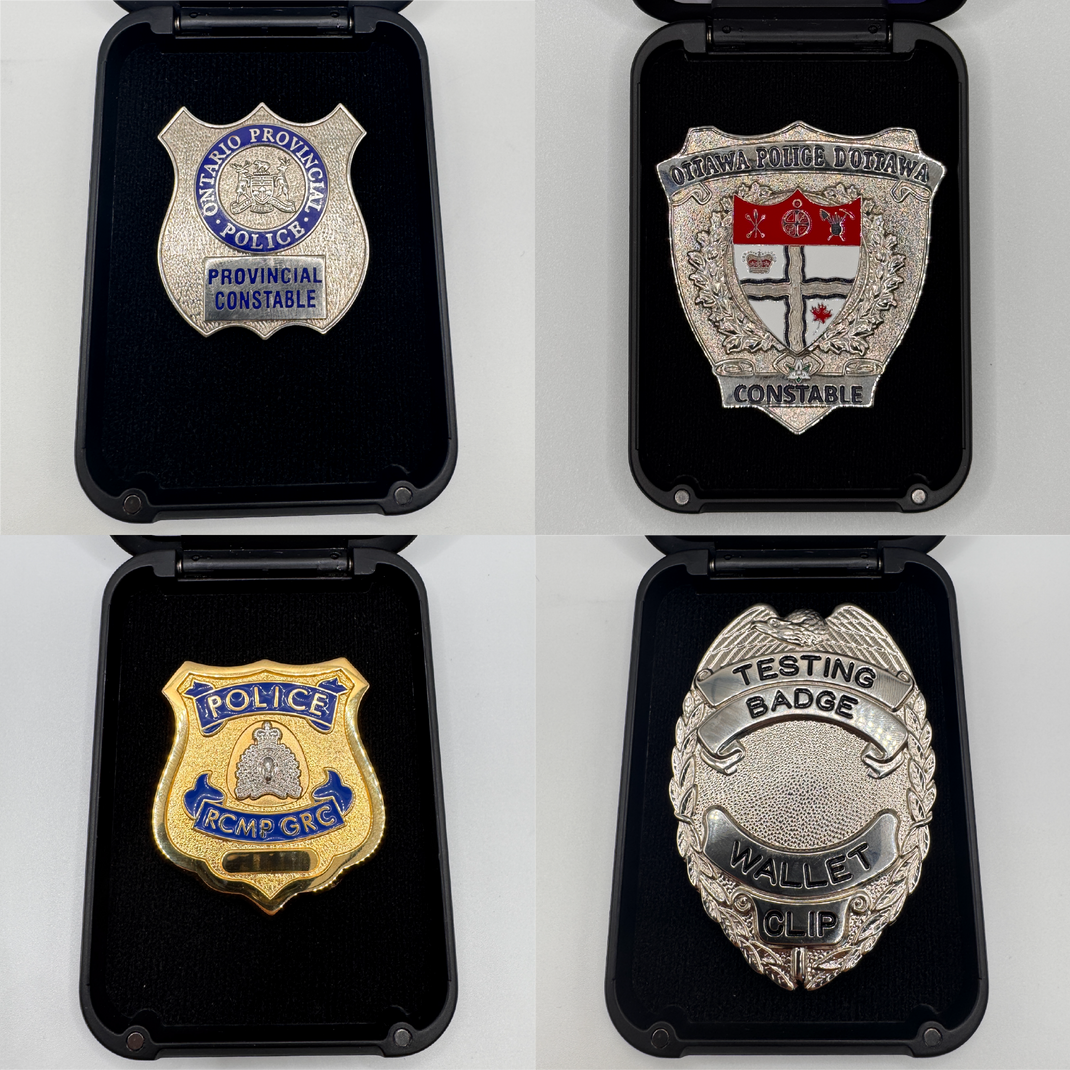
The badge is the most direct representation of authority and sworn duty. Tattoos of shields, stars, and department crests often feature unique badge numbers, jurisdictional seals, or the date an officer graduated from the academy.
An inverted shield is a specific variation frequently seen among officers who have retired, transferred agencies, or experienced career-ending injuries in the line of duty. It marks a transition out of active patrol while honoring the time spent wearing the uniform.
The Thin Blue Line
The Thin Blue Line emblem—a blue stripe flanked by black fields—is one of the most recognizable and debated symbols in modern policing. The black background represents the chaos and crime that officers confront daily, while the blue line symbolizes the police force standing between order and anarchy.
While many officers view it as a simple tribute to solidarity and fallen colleagues, the symbol has also attracted significant public scrutiny and political controversy over its dual meanings in community relations.
The St. Michael Iconography
Saint Michael the Archangel is widely recognized as the patron saint of law enforcement, military personnel, and first responders. Tattoos depicting St. Michael defeating a demon or dragon are exceptionally common among patrol officers and tactical operators alike.
These pieces usually symbolize spiritual protection, moral strength, and the burden of confronting violence while maintaining a commitment to righteousness.
Commemorative Tattoos and Memorial Ink
For many officers, the skin serves as a permanent memorial ledger. The reality of losing a colleague creates a distinct culture of remembrance.
Line-of-Duty Memorials
When an officer dies in the line of duty, surviving squad members often get matching or individual commemorative tattoos. These designs typically include:
- The fallen officer's badge number framed by a mourning band.
- The date of the incident or funeral.
- A folded American flag or a pair of tactical boots with a rifle and helmet (borrowed from military tradition).
- The phrase "End of Watch" or "E.O.W." followed by the specific date.
The Weight of Critical Incidents
Beyond fallen colleagues, some officers use tattoos to process post-traumatic stress or the psychological aftermath of critical incidents. These designs are rarely flashy; they tend to be subtle personal markers—such as specific coordinates, Roman numerals representing deployment dates, or minimalist anchors—that acknowledge survival through severe operational stress without violating department discretion or tactical privacy.
Policy, Perception, and the Evolution of Department Rules
The visibility of law enforcement tattoos has become a major point of discussion within agency administration, union negotiations, and community oversight boards.
Changing Department Standards
Historically, law enforcement agencies enforced strict zero-tolerance policies regarding visible body art, requiring officers to cover all tattoos with long sleeves or heavy makeup, regardless of climate or uniform style.
Over the last decade, recruitment challenges and shifting societal norms have prompted hundreds of municipal departments and state agencies to relax these rules. Today, many departments permit visible arm and leg tattoos provided they meet specific standards:
- No offensive, vulgar, or extremist imagery.
- No gang-related or racially charged symbols.
- Coverage requirements for neck, hand, and facial tattoos remaining standard in many jurisdictions.
Community Trust and Professionalism
The debate over police tattoos centers on public perception. Proponents argue that visible ink humanizes officers, breaking down barriers and providing conversation starters with citizens during positive community contacts.
Critics and internal affairs auditors point out that aggressive or militaristic imagery—such as aggressive skulls, punitive slogans, or combat-style motifs—can alienate community members and undermine perceptions of neutrality and procedural justice. Major metropolitan departments, such as the Police Executive Research Forum, frequently study these cultural shifts to balance officers' rights to personal expression with the objective of maintaining public trust.
Frequently Asked Questions
Are law enforcement officers allowed to have tattoos?
Yes, but policies vary widely by agency. Most modern departments allow visible tattoos on the arms and legs as long as they are not offensive, vulgar, or associated with hate groups. Head, face, and neck tattoos generally remain restricted.
What does an inverted police badge tattoo mean?
An inverted or upside-down badge tattoo typically signifies that an officer is retired, has left the profession, or is honoring a significant transition away from active patrol duty.
Why do police officers get St. Michael tattoos?
Saint Michael is the traditional patron saint of law enforcement and soldiers. Officers choose this imagery to represent protection, courage, and the moral strength required to confront dangerous situations.
Is the Thin Blue Line symbol mandatory or official?
No. The Thin Blue Line is an informal cultural symbol used by individual officers and supporters. It is not part of any official government uniform insignia, though departments regulate how it can be displayed on uniforms or patrol vehicles.


