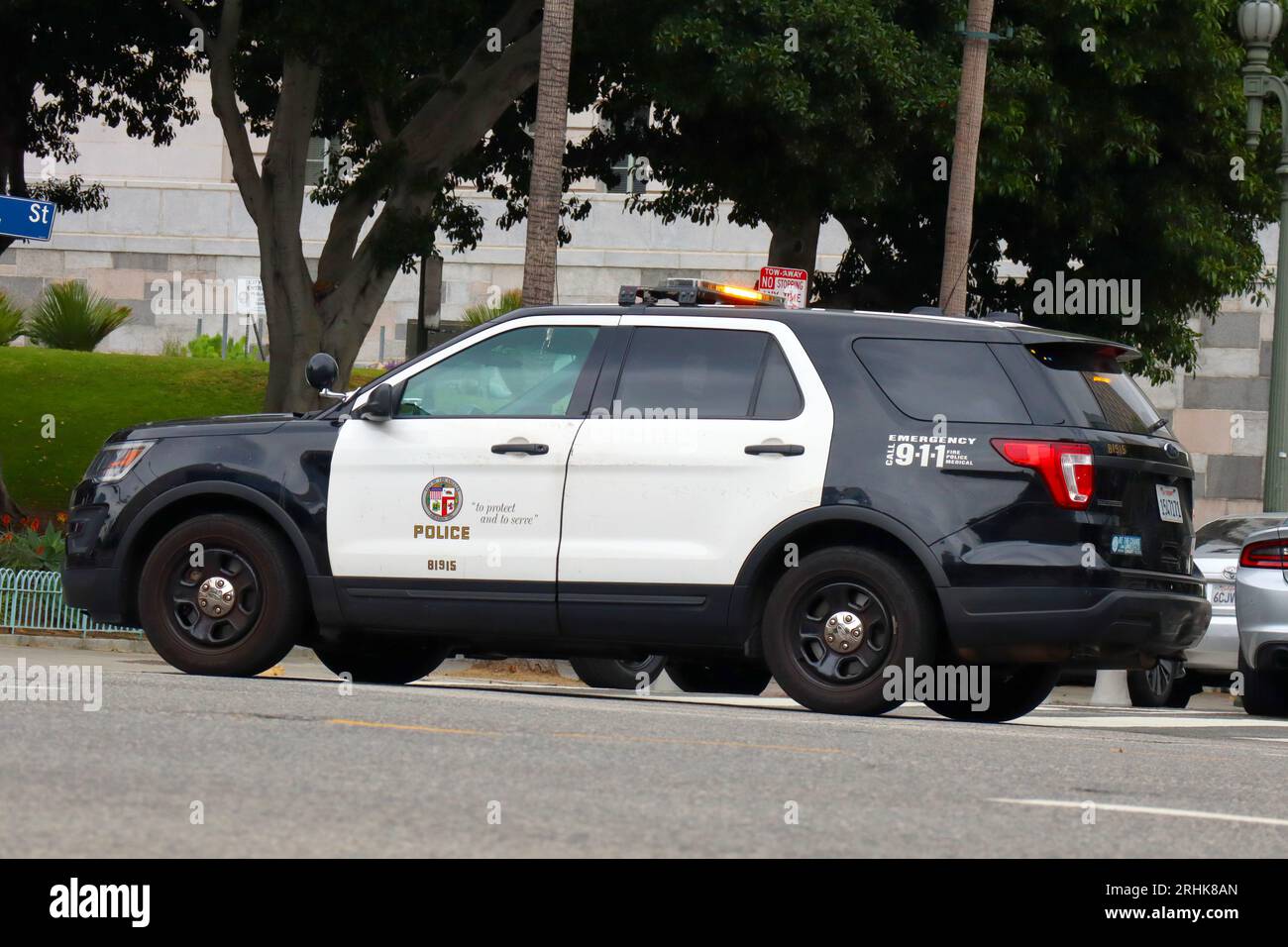
Understanding the leadership hierarchy of the Los Angeles Police Department requires looking past standard television portrayals and examining actual civil service structures. The department operates under a strict chain of command, where high-ranking officers manage everything from geographic patrol bureaus to specialized tactical divisions.
The upper tier of the LAPD consists of executive and command positions that hold immense administrative authority, coordinate major city-wide operations, and report directly to civilian oversight bodies. This breakdown examines how high-ranking officers function within the organization, detailing their responsibilities, insignia, and promotional pathways.
The LAPD Command Structure Overview
The LAPD separates its personnel into sworn and civilian classifications, with sworn officers divided between rank-and-file patrol staff, supervisors, detectives, and upper management. High-ranking officers fall primarily into the command and executive tiers, starting at the rank of commander and extending up to the Chief of Police.
Unlike smaller agencies where mid-level supervisors handle administrative mandates, a large metropolitan department requires distinct separation between field operations and executive governance. High-ranking officers rarely respond to standard calls for service; instead, they manage budgets, shape department-wide policy, direct major investigations, and maintain political liaison with the Los Angeles Board of Police Commissioners and the City Council.
Detailed Breakdown of LAPD High Ranks
Police Commander
The rank of Commander serves as the vital bridge between individual geographic or operational divisions and executive headquarters. Promoted exclusively from the rank of captain, commanders oversee multiple divisions or specialized bureaus.
A commander might manage a geographic area containing several police stations or take charge of specialized operational groups. Their duties include serving as a Chief's Duty Officer during off-hours, ensuring departmental consistency, and executing administrative directives handed down from the chief's office.
Deputy Chief
Moving up the ladder, Deputy Chiefs command major bureaus within the department, such as the Detective Bureau, the Transit Services Bureau, or geographic operations like Operations-West Bureau.
A deputy chief operates as a senior executive, keeping the Chief of Police informed of day-to-day operational activities and acting as a chief of staff for major departmental functions. Achieving this rank requires navigating rigorous civil service examinations and receiving executive appointment.
Assistant Chief
The Assistant Chief tier represents the second-in-command structure beneath the top executive. Assistant chiefs hold titles such as the Director of the Office of Operations or the Director of the Office of Administrative Services.
The Director of the Office of Operations functions as the de facto First Assistant Chief, stepping in to command the entire department during any authorized absence of the chief. These leaders oversee massive segments of the workforce, managing policy implementation across thousands of sworn and civilian personnel.
Chief of Police
The Chief of Police is the highest-ranking officer in the LAPD, holding ultimate administrative and operational responsibility for the agency. Unlike lower ranks filled strictly through civil service promotions, the Chief of Police is appointed by the Mayor of Los Angeles, subject to confirmation by the Police Commission and the City Council.
The chief sets the strategic vision, handles high-level public accountability, and answers directly to city leadership. Per city guidelines, the chief can serve a maximum of two five-year terms.
Insignia and Uniform Markers for High-Ranking Officers
Identifying officers by rank involves checking their uniform collar brass or sleeve insignia. As officers ascend into command tiers, their collar markers shift from traditional pins to symbols denoting executive authority.
- Captains: Wear two gold bars on each collar point.
- Commanders: Wear a single gold star on each collar point.
- Deputy Chiefs: Wear two gold stars on each collar point.
- Assistant Chiefs: Wear three gold stars on each collar point.
- Chief of Police: Wears four gold stars on each collar point.
These gold insignia separate high-ranking administrative officers from lower-tier supervisors like sergeants and lieutenants, who typically wear silver chevrons or single gold bars.
Promotional Pathways and Requirements
Reaching high-ranking positions in the LAPD requires years of dedicated service, continuous education, and successful completion of competitive civil service exams.
An officer cannot simply jump from patrol into executive management. The career trajectory typically demands starting as a Police Officer I, advancing through senior field roles or detective tracks, earning promotion to sergeant and lieutenant through written and practical testing, and proving leadership capability as a captain.
According to guidelines outlined by agencies like the U.S. Bureau of Labor Statistics, law enforcement executives increasingly benefit from advanced degrees in public administration, criminal justice, or leadership studies. Administrative appointments to assistant chief or chief levels also require navigating political vetting and public confirmation hearings.
Common Misconceptions About LAPD Leadership
Media depictions frequently blur the lines of police hierarchy, leading to widespread misunderstandings about how authority functions within the department.
- Rank Does Not Equal Assignment: An officer's rank defines their civil service pay grade and authority level, but specific administrative power often stems from their current assignment. For example, a captain commanding a high-profile division holds more immediate operational sway than a commander assigned to a back-office staff role.
- The Chief is Not Elected: Unlike county sheriffs who face public election, the LAPD Chief of Police is an appointed official selected through a civilian search process managed by the Mayor and Police Commission.
- Executive Officers Do Not Patrol: High-ranking officers do not answer radio calls or conduct street arrests. Their role is strictly administrative, strategic, and macro-managerial.
Frequently Asked Questions
How long does it take to reach a high rank in the LAPD?
Reaching executive ranks like commander or deputy chief typically takes 20 to 25 years of continuous service. Officers must spend mandatory minimum time in grade at every lower rank before becoming eligible to test for promotion.
Can an LAPD high-ranking officer be fired easily?
Civil service protections cover most sworn ranks up to captain and commander, making direct termination difficult without due process. However, executive positions like Assistant Chief and Chief of Police serve at the discretion of city leadership and can be replaced or reassigned under specific municipal rules.
What is the difference between a Commander and a Deputy Chief?
A commander oversees specific groups of divisions or specialized operational units, whereas a deputy chief manages an entire major bureau (such as transit or detectives) and sits higher on the executive staff reporting directly to the chief's office.
Do high-ranking LAPD officers carry weapons?
Yes, all sworn officers, regardless of rank, remain certified peace officers equipped with standard department-issued firearms, though high-ranking executives spend the majority of their time in business attire or service uniforms focused on administrative duties rather than field enforcement.


