Navigating local death notices in Michigan's capital region often starts with the primary newspaper of record. Finding a specific notice requires understanding how the Lansing State Journal organizes its memorial records, guestbooks, and archives. If you're searching for recent passings or historical records in mid-Michigan, knowing where to look saves time during an emotionally difficult period.
Official notices published in local print and digital editions serve as legal records and communal tributes. They document vital statistics while capturing the personal milestones of residents across Ingham, Eaton, and Clinton counties. Whether you're researching genealogy or honoring a neighbor, understanding the search process ensures you find accurate information quickly.
Locating Notices in the Lansing State Journal
Accessing current and past notices involves navigating a mix of daily publishing platforms and digital archives. The newspaper partners with national networks to host comprehensive databases that go back decades.
Current Daily Listings
Recent death notices appear in the daily digital edition and on the newspaper's dedicated Legacy.com portal. These entries typically stay active indefinitely online, allowing family members and friends to leave digital condolences, share photographs, and light virtual candles.
Historical Archives and Genealogy
For older records predating widespread internet publishing, researchers must rely on microform archives or specialized genealogical databases. Public institutions hold extensive collections of mid-Michigan newspapers.
- Library of Michigan: Located in Lansing, this facility maintains comprehensive microfilm records of regional newspapers from the 19th century to the present.
- Capital Area District Libraries (CADL): Local branches offer cardholders free access to historical newspaper databases and genealogy tools like Ancestry Library Edition.
- State Archives of Michigan: Excellent for deeper historical research regarding local figures and civic leaders who shaped the region.
Structure and Content of Regional Tributes
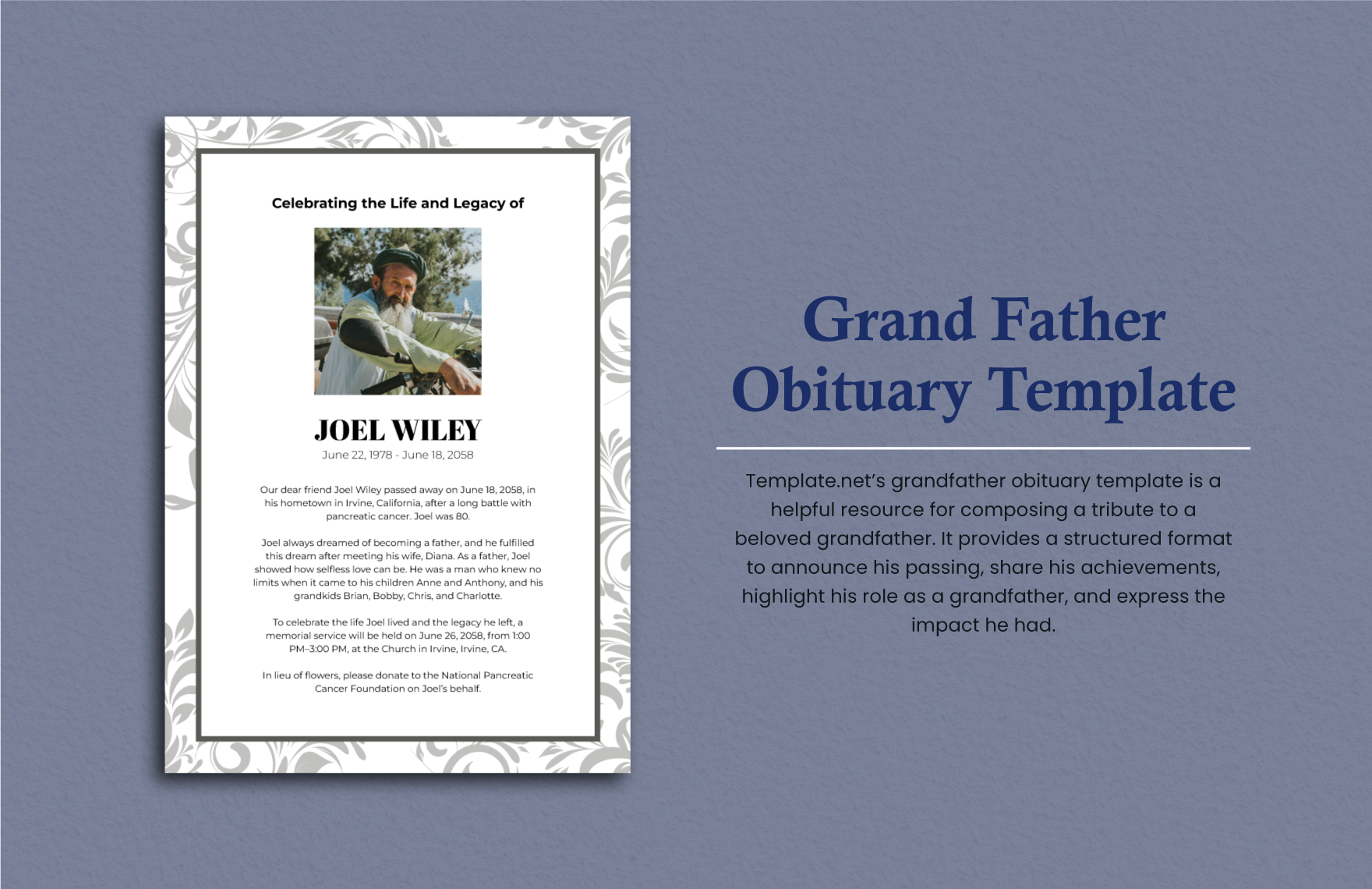
A standard notice published in the local paper follows a structured format designed to inform the public and celebrate a life. Recognizing these components helps you scan text quickly for specific details.
Key elements typically include:
- Biographical Identification: Full legal name, maiden name if applicable, age at passing, and city of residence.
- Life Milestones: Dates of birth and death, often accompanied by details about education at local institutions like Everett High School or Michigan State University.
- Professional Legacy: Career highlights detailing service to local businesses, state government agencies, or community organizations.
- Survivors and Predecessors: Names of surviving spouses, children, siblings, and grandchildren, alongside acknowledgments of family members who passed away earlier.
- Service Arrangements: Dates, times, and locations for visitations, memorial services, or celebrations of life held at regional funeral homes or churches.
Navigating Memorial Donations and Contributions
Many families request charitable contributions in lieu of traditional floral arrangements. Local notices frequently direct supporters toward specific regional non-profits, hospital foundations, or educational scholarships.
When managing contributions, verify the exact name of the designated organization and any specific fund restrictions mentioned in the notice. Donors should include the name of the deceased in the memo line or online donation form so the charity can properly notify the grieving family. Common local beneficiaries include the Greater Lansing Food Bank, local animal shelters, and various youth development programs across mid-Michigan.
Frequently Asked Questions
How long do notices remain online on the Lansing State Journal website?
Digital notices hosted through partner platforms like Legacy.com generally remain online indefinitely. Families can maintain guestbooks and photo galleries as permanent digital memorials.
How do I submit a notice to the Lansing State Journal?
Families usually submit notices directly through a funeral director handling the arrangements. Funeral homes coordinate formatting, photograph placement, and publication schedules with the newspaper's classified advertising department.
Can I correct an error in a published notice?
If you spot an error in a recently published notice, contact the funeral home handling the services immediately. They have direct communication channels with the newspaper's publishing desk to issue corrections or updates.
Where can I find obituaries from before the digital era?
To find older records, visit the Library of Michigan or the main branch of the Capital Area District Libraries. Their staff can guide you through microfilm archives and digital newspaper indices covering mid-Michigan history.



