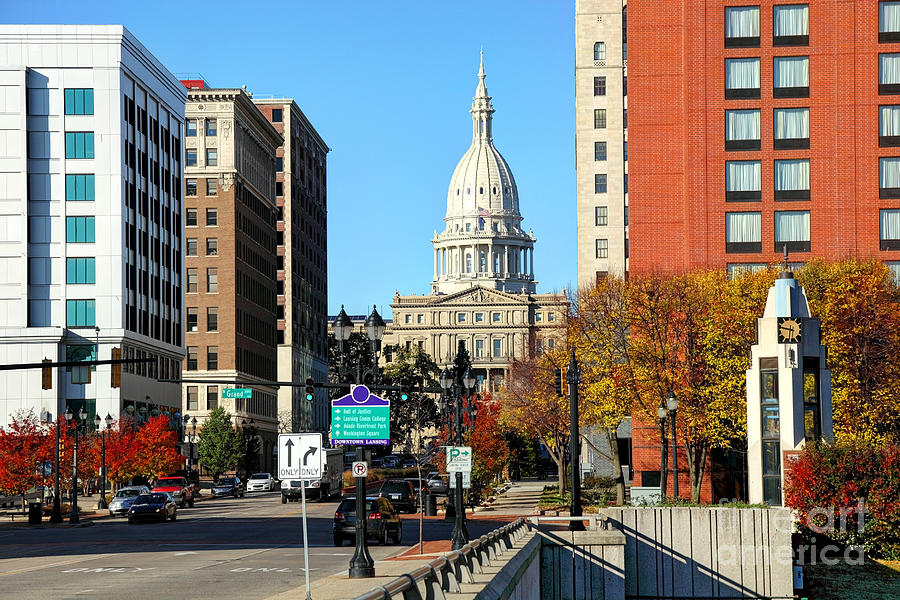
Lansing news obituaries do more than mark the passing of local residents; they serve as the foundational archive of Michigan's capital city. When a community member passes away, their memorial notice captures personal milestones that mirror the broader economic and social shifts of Central Michigan. For historians, genealogists, and grieving families, these columns preserve a living ledger of the people who built Lansing's neighborhoods, schools, and automotive hubs.
Navigating local memorial notices requires an understanding of where these records live, how they have evolved from print to digital databases, and how to extract historical or genealogical value from them. Whether you're researching family roots or seeking to honor a lifelong neighbor, local obituaries offer a profound window into the region's past.
The Evolution of Lansing Memorial Notices
For decades, the daily paper was the sole repository for local death notices. Readers would open the print edition to find structured columns detailing recent passings. Today, platforms like the Lansing State Journal and digital aggregators have transformed how families share these stories.
This digital shift brings distinct advantages for researchers and loved ones alike:
- Searchable archives: Modern databases allow users to query specific surnames, dates, or neighborhoods instantly, bypassing microfilm rolls.
- Extended permanence: Online memorials don't fade or tear like newsprint, ensuring family histories remain accessible across decades.
- Multimedia integration: Families frequently include photo galleries, video tributes, and interactive guest books alongside standard text.
Despite these modern upgrades, the core purpose remains unchanged. Each entry functions as a micro-biography, anchoring individual contributions within the collective narrative of Ingham, Eaton, and Clinton counties.
Anatomy of a Local Obituary
A well-crafted obituary balances standard vital statistics with personal storytelling. Editors and funeral directors typically structure notices to convey essential facts quickly while painting a vivid picture of the individual's character.
Essential Structural Elements
Every standard notice incorporates a predictable framework designed for clarity:
- The Identifier: Full legal name, maiden name if applicable, age, and city of residence.
- Life Milestones: Dates and locations of birth and passing, alongside immediate survivors and preceding family members.
- Service Details: Information regarding upcoming visitations, funeral masses, celebrations of life, or private interments.
- Memorial Designations: Specific charities or scholarship funds chosen by the family in lieu of flowers.
Beyond these basics, the most memorable notices highlight professional achievements, military service, hobbies, and distinct personality traits. A notice detailing a retired auto worker's decades on the assembly line or a local educator's impact on Lansing school children provides future generations with context on how everyday citizens shaped the local economy.
Using Obituaries for Local History and Genealogy
Historians frequently turn to Lansing archives to trace the demographic evolution of the city. Memorial records track immigration waves, the expansion of local labor unions, and the rise and fall of neighborhood institutions.
If you are conducting genealogical research using Lansing records, follow these practical steps to maximize your findings:
- Cross-reference sources: Compare newspaper notices with county vital records, census data, and cemetery databases to verify dates and correct spelling errors.
- Examine survivor lists: Note the names and locations of surviving relatives mentioned in the text. This often points to migration patterns or unrecorded family branches.
- Check local libraries: The Capital Area District Libraries hold extensive local history collections, including historical newspaper archives that predate modern web databases.
- Look for institutional archives: Local universities and historical societies often maintain specialized files on prominent civic leaders, educators, and public servants.
Common Pitfalls When Researching Historical Records
Researchers often run into recurring roadblocks when examining mid-Michigan archives. Recognizing these issues saves time and prevents inaccurate conclusions.
- Name variations: Spelling errors were common in early print journalism due to phonetic spellings or rushed transcription over the phone. Always search using wildcards or phonetic variants.
- Missing dates: Older notices occasionally omit birth years or maiden names, requiring researchers to cross-check marriage licenses or city directories.
- Paywalls and restricted access: Many commercial newspaper archives require subscriptions or library credentials to view full historical text, which can stall amateur research projects.
Frequently Asked Questions
How can I submit an obituary to the Lansing State Journal?
Families typically work through their chosen funeral home, which coordinates directly with the publication to draft, format, and schedule the notice. Alternatively, individuals can often submit notices directly through digital classified portals provided by media networks.
Are older Lansing obituaries available online for free?
Recent notices are widely accessible through standard aggregator sites, but deep historical archives often require a paid subscription or access via the Capital Area District Libraries digital resources.
What details are most important for genealogical research?
Full names, maiden names, birth locations, exact dates of death, and the names of parents and siblings provide the strongest anchors for building family trees.
Why do some notices lack specific cause-of-death details?
Sharing specific medical details is entirely at the discretion of the surviving family members. Many families choose to focus exclusively on celebration, legacy, and community contributions rather than medical history.



