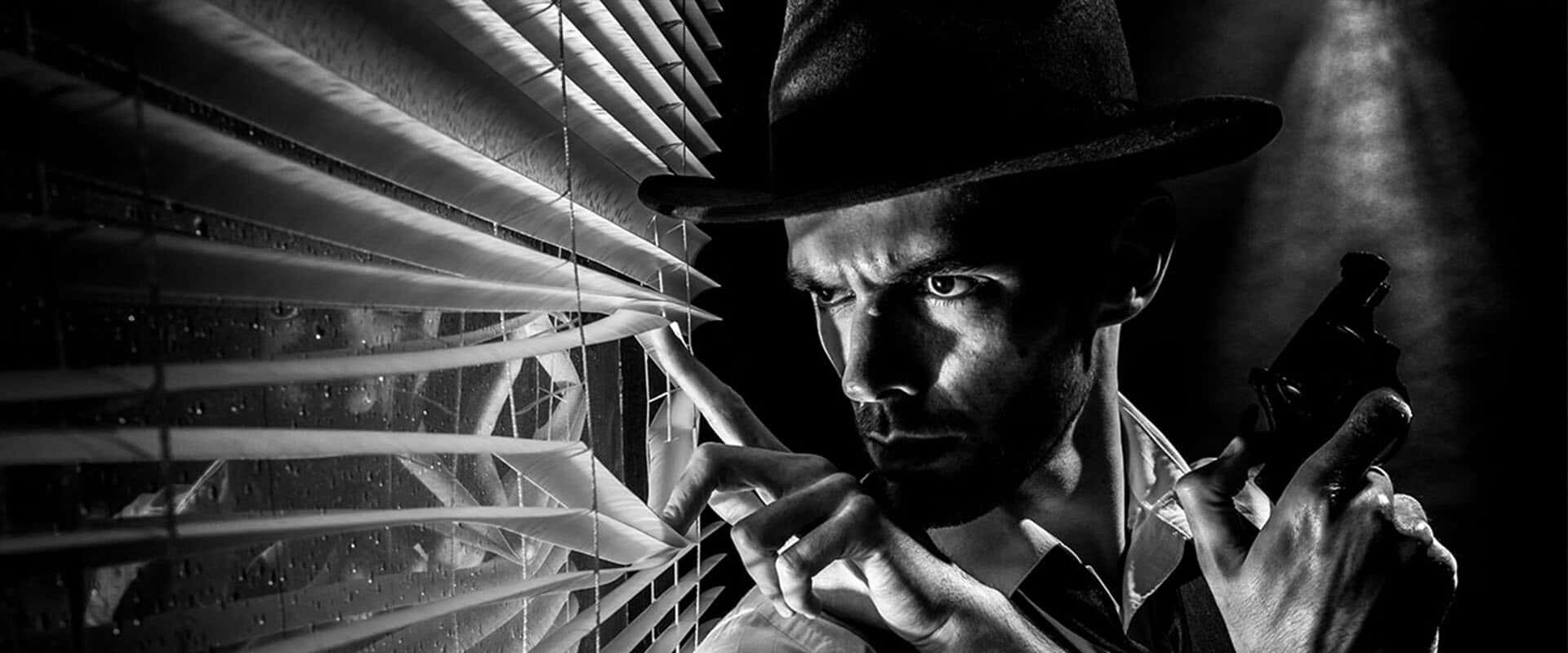
Lana Del Rey changed modern alternative music by treating songs like mood boards for unmade films. Instead of chasing fast club beats or pristine radio formulas, she built tracks out of slow tempos, heavy reverb, and dark, cinematic chord progressions. This approach turned her debut era into a blueprint for a generation of moody, atmospheric pop that prioritizes mood over traditional hooks.
Her signature sound relies heavily on mid-century Americana nostalgia, sadcore aesthetics, and classic film noir tension. By marrying hip-hop production pacing with baroque arrangements, she carved out a distinct lane that permanently shifted how alternative artists construct their sonic worlds.
The Blueprint of Cinematic Alternative Music
Traditional alternative rock of the 1990s and 2000s leaned on distorted guitars, angst, and live-band dynamics. Del Rey stripped those expectations away, favoring lush string sections, sparse 808 beats, and a smoky, low-register vocal delivery. Her music feels cinematic because it mimics the pacing of classic Hollywood dramas.
Tracks like "Video Games" didn't follow standard verse-chorus-bridge pop structures. Instead, they unfolded like sweeping establishing shots. This widescreen production style relied on a few key elements:
- Spacious Arrangement: Leaving room between instruments so the melancholy hangs in the air.
- Contrasting Rhythms: Pairing hip-hop drum loops with weeping violins and cinematic horn flourishes.
- Vocal Layering: Stacking multi-tracked harmonies to create a ghostly, larger-than-life presence.
According to a profile by Pitchfork, this deliberate blending of retro tragedy and modern melancholy created an entirely new vocabulary for indie pop artists who wanted to sound epic without relying on stadium-rock noise.
Noir Chords and Melancholic Progressions
The emotional weight of Del Rey's catalog stems from her harmonic choices. She frequently employs minor keys, chromatic descents, and jazz-influenced chord voicings reminiscent of 1950s film noir soundtracks and torch songs.
Instead of uplifting major progressions, her signature writing style uses suspended chords, seventh chords, and sudden shifts to minor subdominants. For instance, moving from a major tonic to a minor iv chord instantly introduces a sense of yearning or tragedy. This harmonic vocabulary creates what fans and critics call a velvet noir texture—smooth, dark, and heavy with unspoken tension.
When analyzing how these progressions work in practice, several foundational habits define her catalog:
- Walking Basslines: Using descending root notes to mimic a slow, dramatic walk down a dimly lit street.
- Suspended Tensions: Holding onto suspended fourths that resolve slowly, mirroring emotional hesitation.
- Modal Borrowing: Stepping outside the parent key to pull in darker, unexpected minor chords that deepen the listener's unease.
Redefining the Modern Alternative Landscape
Before Del Rey's commercial breakthrough, the mainstream alternative space was largely partitioned between polished indie-pop and underground rock. Her emergence proved that listeners craved slow, complex, highly stylized storytelling.
As noted by Rolling Stone, her success opened the floodgates for artists who wanted to explore vulnerability, melodrama, and retro visual motifs without being branded as retro-novelty acts. Artists like Billie Eilish, Lorde, and Halsey absorbed this cinematic playbook, building careers on whispered vocals, dark atmospheric production, and unhurried song structures.
Frequently Asked Questions
What defines the cinematic style in Lana Del Rey's music?
It combines lush orchestral arrangements, sweeping string sections, deliberate slow tempos, and nostalgic lyrical references to vintage Americana and film noir.
How do noir chords affect the mood of a song?
Noir chords—such as minor sevenths, chromatic descents, and minor iv progressions—inject instant tension, drama, and a smoky, late-night atmosphere into the music.
Which artists were influenced by this cinematic alternative shift?
Major contemporary acts including Billie Eilish, Lorde, and Halsey incorporated similar atmospheric production and moody, vulnerable songwriting styles into their own work.
Why did this sound stand out in the early 2010s?
At a time when mainstream pop was dominated by high-energy electronic dance music, her slow, melancholy, hip-hop-inflected balladry offered a stark, emotional alternative.



