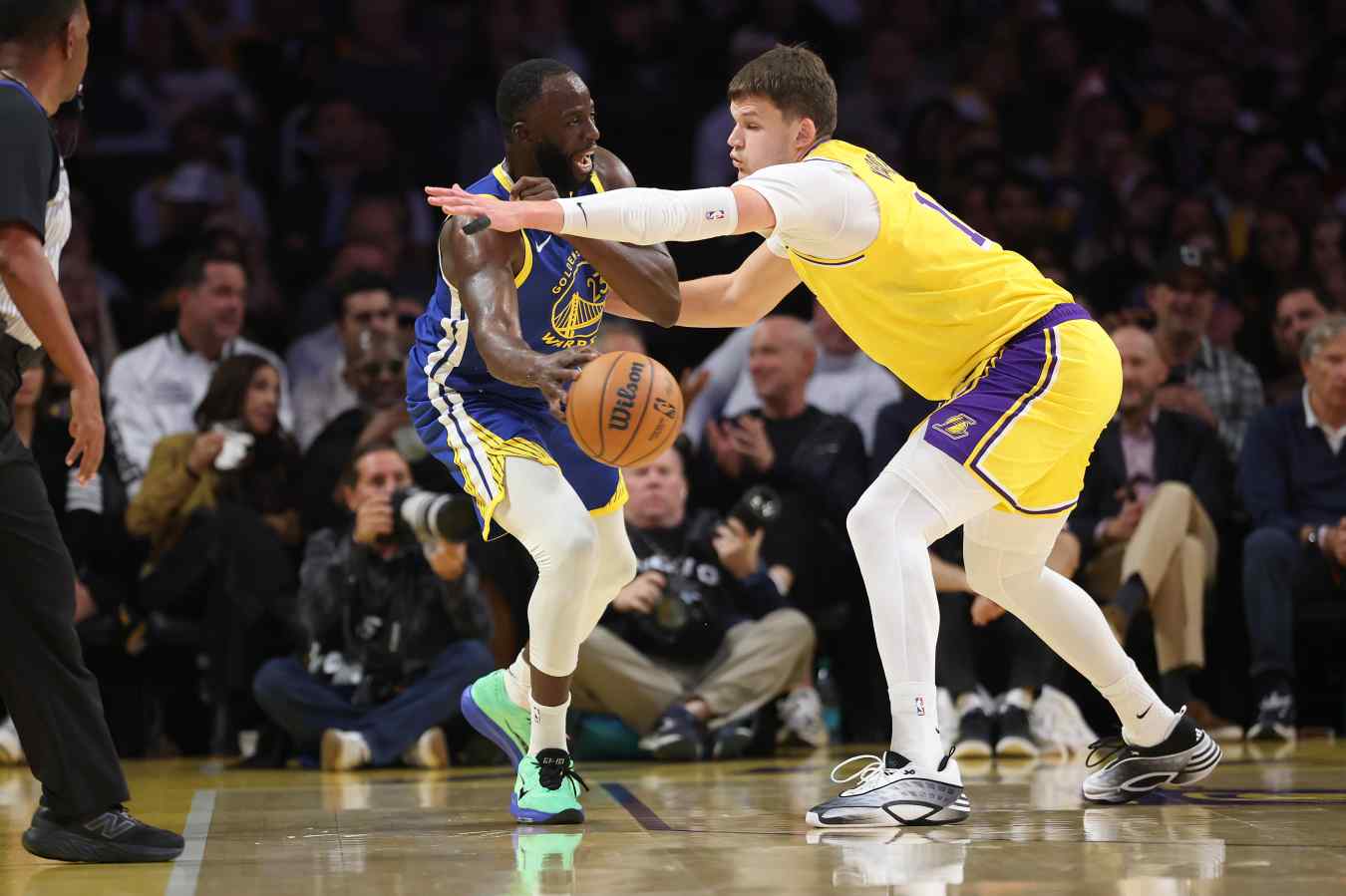
When the Los Angeles Lakers and the Minnesota Timberwolves lock horns, the Western Conference landscape shifts immediately. This fixture carries heavy playoff seeding ramifications, testing roster depth, star power, and tactical adaptability. Analyzing how these squads match up on both ends of the floor reveals the subtle margins that dictate who wins and who slips down the standings.
The core search intent behind this matchup focuses on breaking down individual battles, tracking postseason implications, and understanding stylistic advantages. Let us dive straight into the X's and O's defining this high-stakes encounter, cutting past the noise to examine what really matters on the hardwood.
The Strategic Chess Match on the Perimeter
Pacing and perimeter control dictate the flow whenever these teams meet. The Lakers rely heavily on orchestrated half-court execution, exploiting pick-and-roll reads and finding open shooters on the wings. Meanwhile, Minnesota thrives on defensive disruption, utilizing length and active hands to blow up passing lanes and force live-ball turnovers.
- Pace Control: Los Angeles prefers a controlled tempo, keeping defensive transition clean. Minnesota wants chaotic, high-speed sequences that feed their explosive transition attack.
- Three-Point Volume: Both rosters carry high-level shooters, but the efficiency gap often swings based on how well defenders contest corner rotations.
- Second-Chance Points: Offensive rebounding battles usually tilt toward the Timberwolves due to their imposing frontcourt presence.
Controlling the defensive glass remains non-negotiable for Los Angeles. If they allow second-chance opportunities, Minnesota's relentless guards will punish them from deep.
Key Player Battles to Watch
Individual brilliance usually settles games between elite Western Conference contenders. Several head-to-head duels stand out as critical turning points.
LeBron James vs. Jaden McDaniels
This duel sets the physical tone of the game. McDaniels possesses the rare combination of length, lateral quickness, and endurance needed to bother veteran scorers. For Los Angeles, unlocking passing pockets against tight forward pressure is essential. If McDaniels denies easy entry passes, the offense stalls, forcing tough isolation jump shots late in the shot clock.
Anthony Edwards vs. Perimeter Containment
Edwards presents a nightmare assignment for any defensive scheme. His explosive first step forces help-defense rotations instantly. When double teams arrive, his passing vision out of traps has evolved significantly. The Lakers can't afford to give him clean looks at the rim, meaning secondary helpers must stunt early and recover with precise timing.
Playoff Seeding and Tiebreaker Ramifications
Every regular-season game between top-tier conference rivals carries hidden weight. Beyond the immediate win column, head-to-head records serve as primary tiebreakers when playoff seeds shake out in April.
- Direct Tiebreakers: Securing a head-to-head advantage simplifies April math for seeding survival.
- Conference Record Value: Intra-conference matchups weigh heavier in tiebreaker formulas than inter-conference results.
- Mental Edge: Winning regular-season meetings builds psychological comfort should a seven-game postseason series materialize later.
Common Strategic Mistakes
Coaches and analysts often point to recurring errors when examining losses in this specific matchup. Avoiding these traps dictates success:
- Over-helping in the Paint: Collapsing too aggressively on interior drives leaves lethal shooters open along the perimeter.
- Poor Transition Balance: Failing to match up quickly after missed shots hands easy transition dunks to athletic wings.
- Foul Trouble Management: Sending physical defensive anchors to the bench early alters rim protection metrics drastically.
Maintaining discipline without fouling allows teams to sustain defensive intensity across all four quarters.
Frequently Asked Questions
How do the Lakers and Timberwolves typically match up stylistically?
They present a classic clash of styles. Los Angeles leans on elite half-court playmaking and veteran poise, while Minnesota counters with length, youthful athleticism, and high-energy defensive pressure.
Why are regular-season games between these teams so crucial for the playoffs?
Western Conference standings remain exceptionally tight. Head-to-head records directly influence tiebreakers, which frequently determine home-court advantage in the opening round.
What defensive adjustments usually decide the outcome?
Limiting second-chance points and containing penetration without giving up open corner three-pointers consistently separate the winner from the loser.
Where can I check current official standings and schedules?
You can follow live updates and official league schedules directly on NBA.com or review historical team data via Basketball-Reference.


