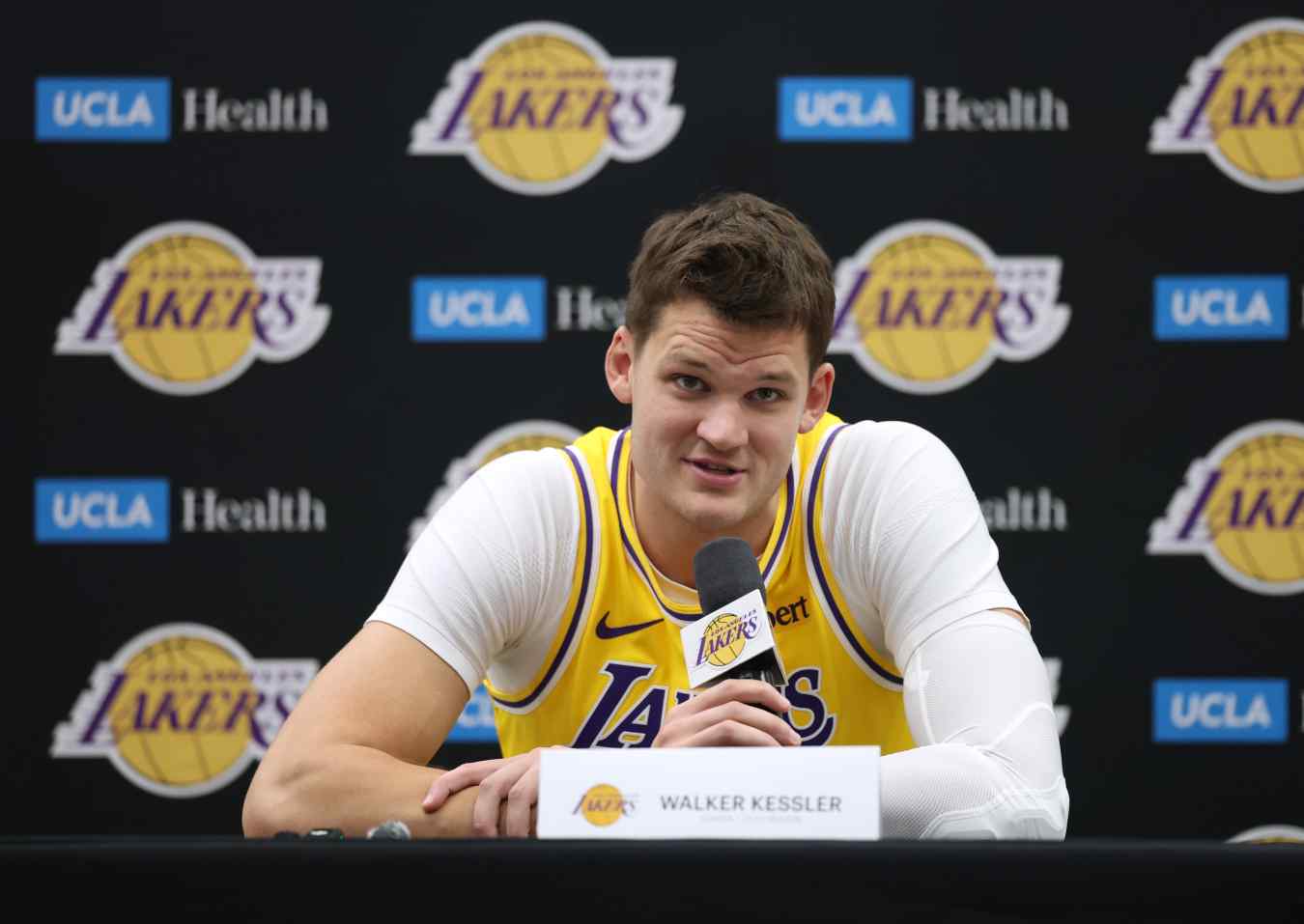
When the Los Angeles Lakers and the Minnesota Timberwolves lock horns on the basketball court, the intensity matches any postseason rivalry. Their matchups showcase high-level tactical adjustments, physical defense, and star-studded offensive explosions that dictate Western Conference seeding. Let's dive straight into what makes this pairing so electric, examining how individual brilliance and structural coaching shifts ultimately decide who triumphs in the clutch.
Strategic Blueprint: Offense Versus Lock-Down Defense
The chess match between these squads starts with spacing and defensive versatility. The Lakers rely heavily on dynamic playmaking and elite perimeter gravity, forcing opposing defenses to collapse and leave shooters open on the wings. When floor generals orchestrate the offense with precision, it's hard for any frontline to stay synchronized.
On the other side, Minnesota builds its identity on length, rim protection, and transition pressure. Their defensive strategy revolves around disrupting passing lanes and contesting every shot inside the paint. Yet, maintaining that defensive intensity across four quarters requires flawless communication.
- Perimeter containment: Stopping quick guards from turning the corner is priority number one.
- Defensive rebounding: Securing the glass limits fast-break opportunities and second-chance points.
- Pace control: Minimizing live-ball turnovers prevents opponents from running wild in transition.
Check out the official NBA Official Site for up-to-date league standings, player tracking metrics, and official schedule updates.
Star Power and Fourth-Quarter Execution
Games between these conference foes frequently hang in the balance until the final minutes. Elite scorers take over down the stretch, turning broken plays into high-efficiency buckets through sheer individual skill.
When double-teams arrive, finding the open man becomes the ultimate test. Teams that execute quick ball rotations in late-game scenarios usually walk away with the victory. Meanwhile, struggling to break through an aggressive trap leads to costly live-ball turnovers.
"In games defined by razor-thin margins, possessions won on the offensive glass and disciplined shot selection dictate the final buzzer."
The Battle in the Paint
Controlling the interior remains a defining battleground. Big men must establish early position to alter shots without fouling out.
- Post entry passing: Feeding the center early establishes inside-out rhythm.
- Weak-side help: Rotations must arrive instantly to prevent easy dunks.
- Box-out discipline: Prevent athletic forwards from crashing the offensive glass unchecked.
Common Mistakes in High-Stakes Matchups
Coaches and analysts often point to recurring errors that cost teams games against elite opponents. Recognizing these pitfalls helps explain why certain leads evaporate late in the game.
- Falling into isolation loops: Relying entirely on one-on-one hero ball stalls ball movement and bogs down shooting percentages.
- Overhelping on penetration: Leaving elite three-point shooters unguarded in the corner spells disaster.
- Chasing fouls: Frustration on defense leads to unnecessary reaching, putting opponents in the bonus early in the quarter.
For deep-dive statistics and historical box scores, you can visit Basketball Reference to analyze advanced player efficiencies and historical head-to-head trends.
Frequently Asked Questions
What makes matchups between the Lakers and Timberwolves so competitive?
Both rosters feature elite star talent paired with physical frontcourt depth. Their tactical clashes force adjustments in real time, making every possession high-stakes.
How do tactical adjustments affect late-game performance?
Coaches often switch defensive coverages—from drop coverage to aggressive trapping—in the fourth quarter to catch opposing playmakers off guard and force tough jump shots.
Why is defensive rebounding so critical in this series?
Giving up second-chance points to athletic second-unit players ruins momentum and hands the opponent easy scoring opportunities.
How do superstars handle aggressive double-teams?
Elite playmakers look to pass out of traps immediately, trusting their teammates to hit open perimeter shots or attack a scrambling defense.


