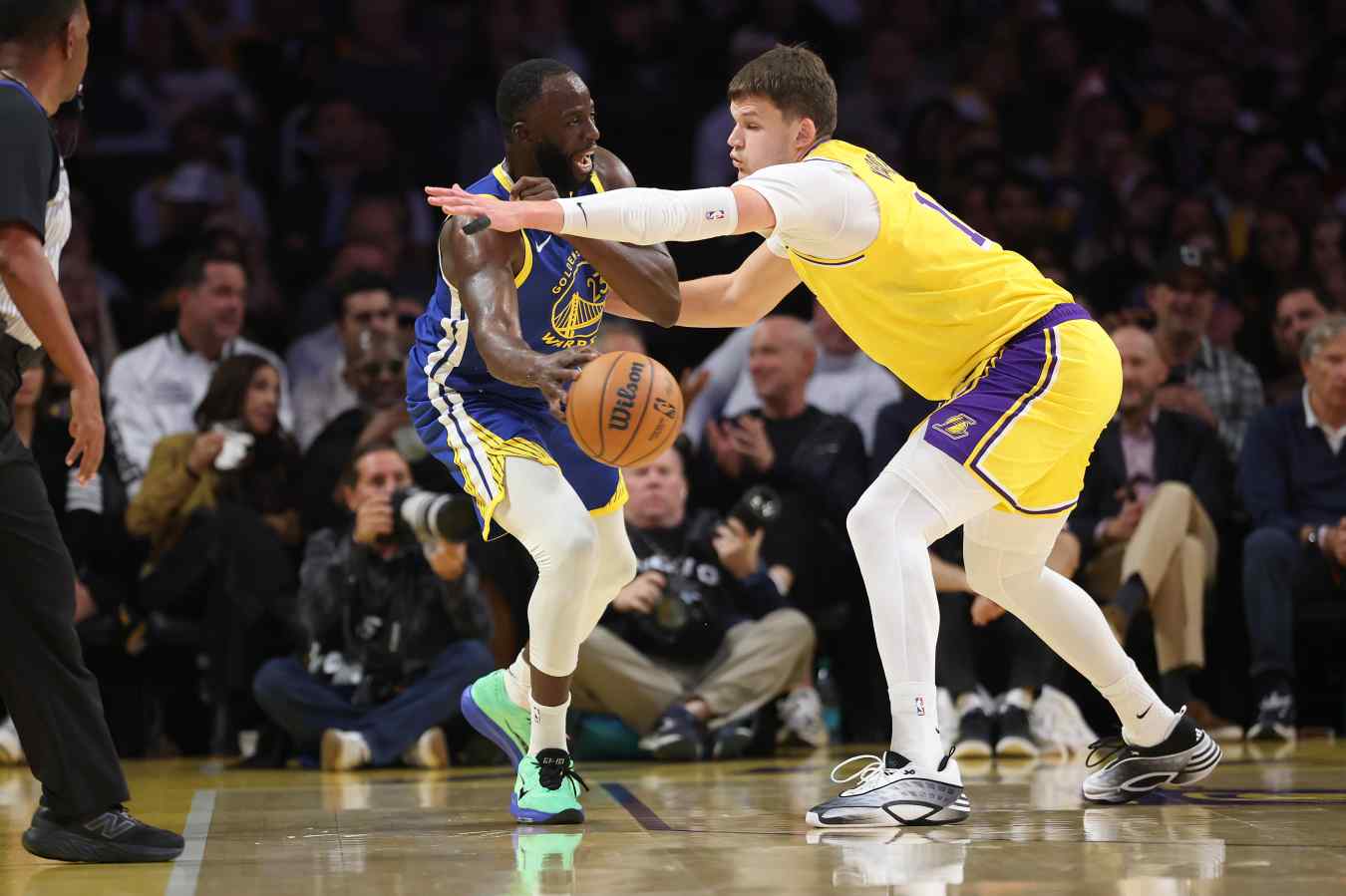
The Los Angeles Lakers squad of 2017 marked a foundational turning point for an iconic franchise crawling out of its deepest historical trough. Emerging from the immediate shadow of Kobe Bryant's retirement, the 2016–2017 and 2017–2018 rosters represented a raw, chaotic, yet essential laboratory for youth development. Head coach Luke Walton inherited a locker room blending high-ceiling lottery picks with veteran stopgaps, setting the stage for a gritty multi-year evolution.
Stripping away the noise of front-office restructuring and the arrival of Magic Johnson as president of basketball operations, this era was about discovering an identity. The team didn't contend for championships, but it forged the resilience and asset accumulation required to lure LeBron James shortly afterward. Evaluating this specific era requires looking past simple win-loss columns to examine how drafting, player development, and cap management collided.
The Roster Core: Youth, Growing Pains, and High Draft Capital
The blueprint of the 2017 Lakers relied heavily on recent lottery selections who faced immediate pressure to perform under the bright lights of Los Angeles. Brandon Ingram entered his pivotal developmental phases here, displaying flashes of elite two-way potential despite lacking physical strength early on. Alongside him, Julius Randle served as an energetic interior force, punishing opponents with relentless drives and glass-cleaning tenacity before his departure in subsequent free agency.
D'Angelo Russell also anchored the early guard rotation before a high-profile trade shipped him out to clear salary cap space and reset the backcourt timeline. Jordan Clarkson and Larry Nance Jr. provided vital bench sparks, injecting athletic pace into second units. This core lacked veteran poise, leading to defensive lapses that ranked them near the bottom of the league, yet the individual upside served as the primary trade currency for future roster construction.
The Balancing Act: Veterans, Cap Space, and Front Office Shifts
Building a modern NBA contender requires financial flexibility, which the Lakers actively pursued during this stretch. Legacy contracts signed in prior summers—most notably Luol Deng and Timofey Mozgov—became burdensome roadblocks. These deals absorbed vital cap space, forcing the front office to eventually pivot through buyouts and trades to regain financial maneuverability.
The leadership transition from Mitch Kupchak to Magic Johnson and Rob Pelinka altered the trajectory of player personnel decisions. The front office prioritized clearing long-term books over short-term competitiveness. This ruthless pragmatism meant benching or parting ways with expensive veterans to hand maximum minutes to developing prospects, cementing a culture where performance dictated playing time rather than salary commitments.
Tactical Identity Under Luke Walton
Luke Walton installed an up-tempo, read-and-react offensive system modeled loosely on Golden State principles, prioritizing ball movement and early offense. The Lakers played at a high pace, often catching opponents napping in transition through the court vision of guards like Lonzo Ball after he arrived in the subsequent draft cycle.
However, defensive execution lagged significantly. Without an elite rim protector for the majority of these campaigns, Walton's squad struggled to contain penetration, surrendering high shooting percentages near the basket. The tactical emphasis remained heavily weighted toward offensive freedom and conditioning, which fostered individual growth at the expense of defensive stops.
Legacy and Impact on the Modern Franchise
The resilience forged during these tough seasons directly enabled the subsequent championship era. The accumulation of young talent created a treasure trove of trade assets. Without the presence of Brandon Ingram, Lonzo Ball, and Josh Hart on rookie scales, the blockbuster trade package for Anthony Davis would have been impossible to assemble.
The 2017 squad taught the organization patience. Fans accustomed to immediate superstar contention had to endure historic losing stretches, but that friction baked toughness into the franchise's foundation.
Frequently Asked Questions
What was the official record of the Lakers during this era?
The Lakers finished the 2016–2017 season with a 26–56 record, followed by a 35–47 record in 2017–2018. While both seasons resulted in missed playoffs, they represented tangible win-total improvements over previous franchise-low troughs.
Who were the standout rookie contributors?
Kyle Kuzma and Josh Hart emerged as major steals from the 2017 draft class. Kuzma earned NBA All-Rookie First Team honors after leading the team in scoring stretches, drastically outplaying his late-first-round draft slot.
Why did the front office trade D'Angelo Russell?
The trade aimed to shed Mozgov's heavy contract and open up primary ball-handling responsibilities for incoming draft picks, while simultaneously creating maximum salary cap space for future free-agent classes.
How did this roster clear the path for LeBron James?
By prioritizing short-term financial flexibility, developing tradeable young assets, and shedding restrictive long-term salaries, the front office positioned the franchise under the Salary Cap Rules with enough room to sign max-tier superstars. Detailed historical archives can be explored via Basketball Reference.


