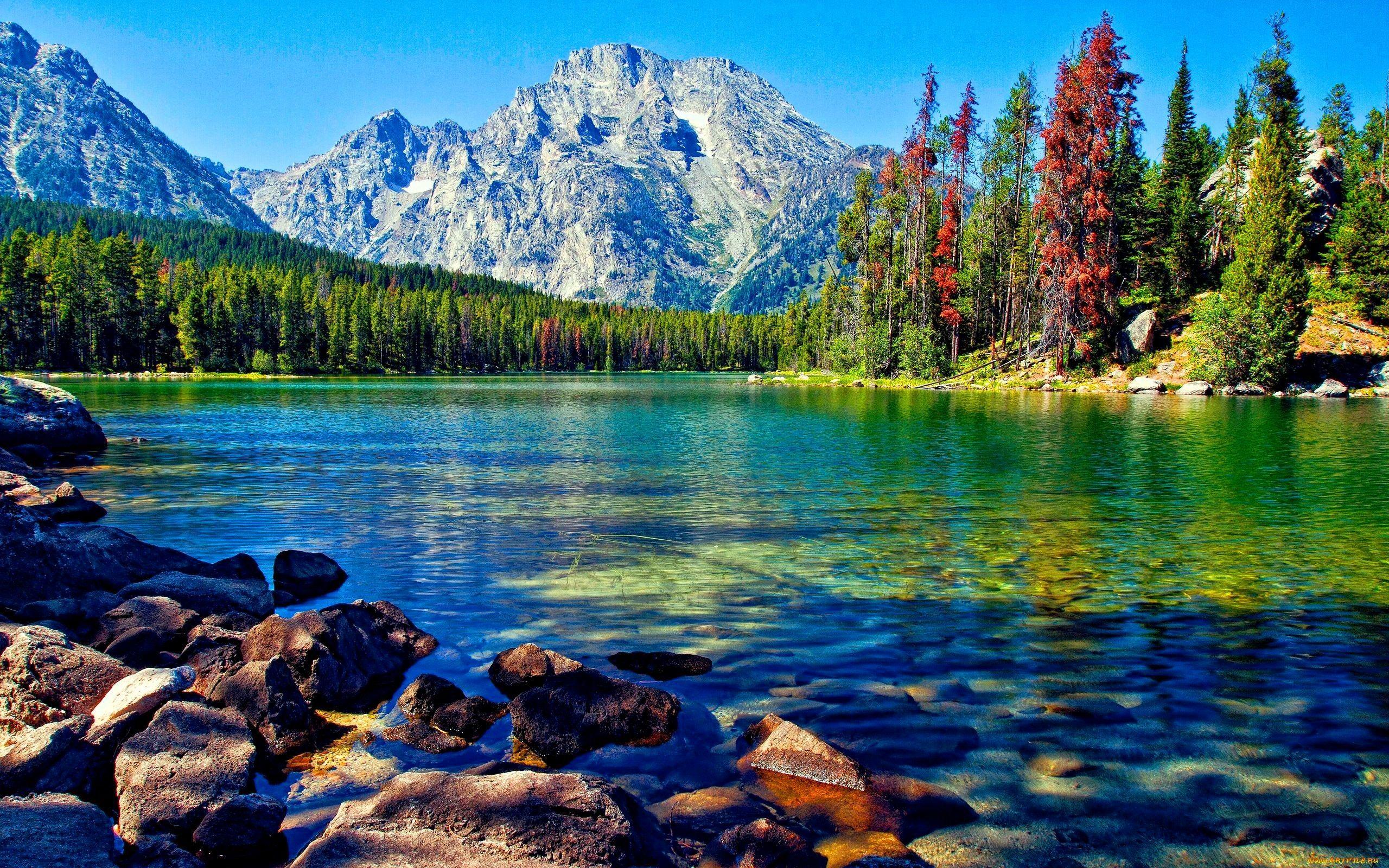
Lake Shasta serves as the cornerstone of California's massive water distribution and clean energy network. When the lake level swings between severe drought lows and sudden flood-stage fillings, it triggers immediate ripple effects across the state's agricultural fields and municipal grids. Understanding how this reservoir functions requires looking past daily headlines to examine storage mechanics, power generation capacity, and operational constraints.
Operating California's largest man-made reservoir involves a delicate balance between flood control, environmental flow requirements, and electricity production. As weather patterns grow more volatile, managing the basin requires precise adjustments to water releases through Shasta Dam.
Understanding Lake Shasta Storage Capacity
Lake Shasta holds a maximum storage capacity of roughly 4.55 million acre-feet when water reaches its peak design elevation of 1,067 feet above mean sea level. Created by impounding the Sacramento, McCloud, and Pit rivers, the reservoir collects runoff from a vast watershed in northern California.
The physical scale of the basin dictates its operational rules. During dry years, storage can plummet drastically—dropping below 900 feet elevation during extreme multi-year droughts. Conversely, intense atmospheric river events can force operators to aggressively release water to maintain safety margins behind the concrete arch dam.
- Full Pool Elevation: 1,067 feet above sea level.
- Gross Storage Capacity: 4,552,000 acre-feet.
- Primary Feeders: Sacramento River, McCloud River, Pit River.
- Operating Agency: U.S. Bureau of Reclamation.
The Hydroelectric Powerhouse Mechanics
Positioned at the base of the structure, the Shasta Powerplant features a generating capacity of 710 megawatts. Five massive Francis turbines harness the immense pressure of water plunging through penstocks to generate renewable electricity for the grid.
Electricity generation directly correlates with storage volume and release schedules. When water levels sit high, hydraulic head pressure increases efficiency and output. When levels drop significantly during dry cycles, power generation capacity becomes constrained, forcing grid operators to find replacement power sources elsewhere.
Operational priorities dictate that water supply and flood protection take precedence over maximum electricity generation. Releases are timed to support downstream fish migrations, particularly endangered salmon species, as well as Delta water quality standards, before maximizing power output.
Operational Challenges and Environmental Pressures
Managing water levels in the basin involves navigating complex regulatory frameworks and competing stakeholder demands. The Central Valley Project relies on Shasta releases to push saline water out of the Sacramento-San Joaquin River Delta, protecting freshwater supplies for millions of southern urban and agricultural users.
Environmental mandates add another layer of complexity. Agencies must maintain cold water pools deep within the reservoir during summer months. Releasing this cold water downstream helps regulate river temperatures for spawning salmon, but it limits how much warm surface water can be drawn down without threatening aquatic habitats.
Proposals to raise Shasta Dam by roughly 18.5 feet have circulated for decades, aiming to expand storage capacity. However, these plans face fierce opposition and legal hurdles tied to the California Wild and Scenic Rivers Act, which protects the free-flowing stretches of the McCloud River that a taller dam would submerge.
Frequently Asked Questions
What is the full pool elevation of Lake Shasta?
Full pool sits at 1,067 feet above sea level, representing roughly 4.55 million acre-feet of total water storage.
How does low water affect hydroelectric generation?
Low lake levels reduce hydraulic head pressure and limit the volume of water available for release through the penstocks, cutting down the total megawatt output of the 710MW power plant.
Who manages Lake Shasta operations?
The U.S. Bureau of Reclamation operates Shasta Dam and coordinates water releases alongside state agencies like the California Department of Water Resources.
Why can't operators keep the lake full year-round?
Flood control requirements demand that operators maintain empty buffer space during winter and spring to catch sudden storm runoff, preventing catastrophic downstream flooding along the Sacramento River.


