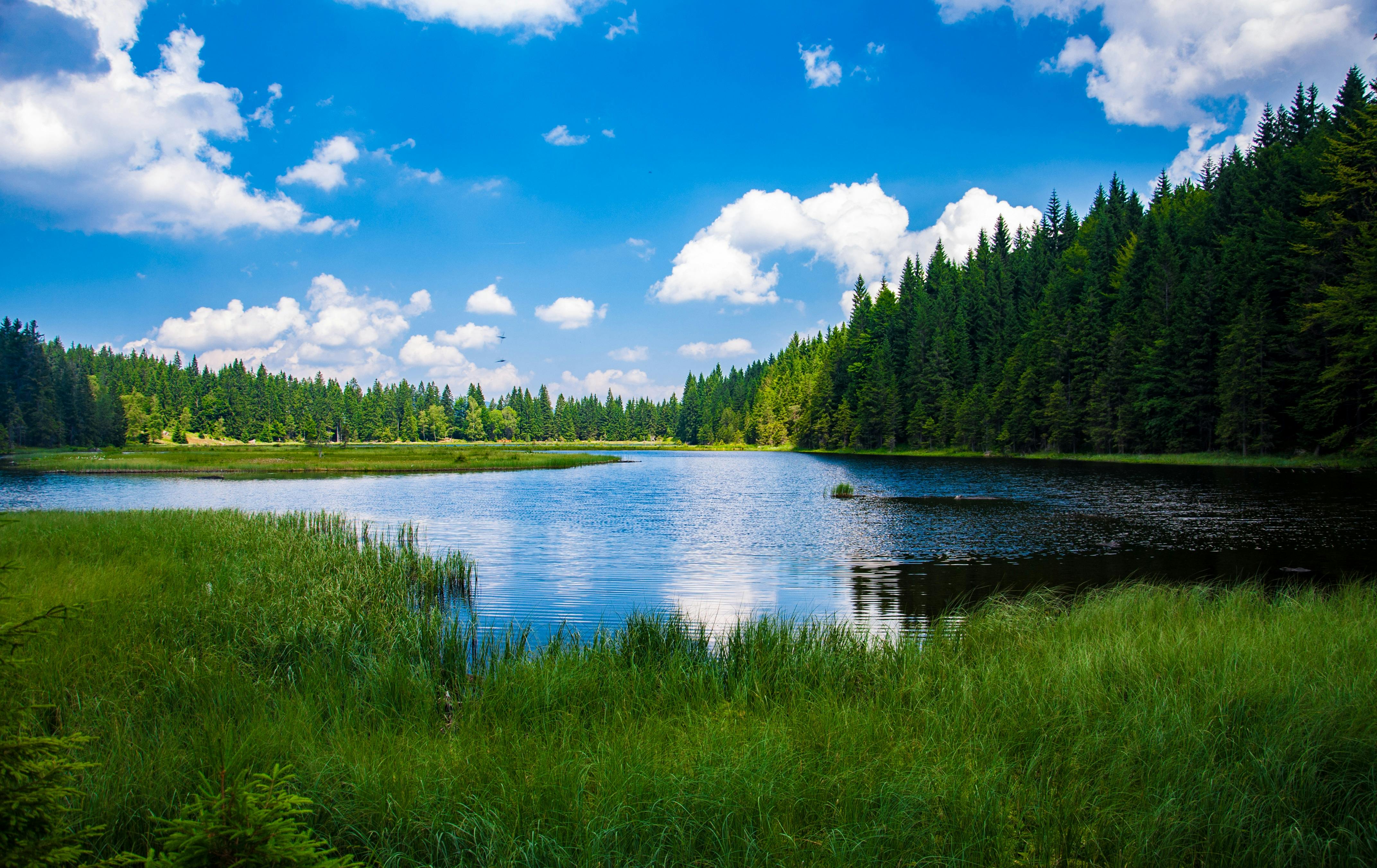
Lake Hudson State Recreation Area stands out as a premier destination for astronomers, campers, and outdoor enthusiasts seeking refuge from artificial light. Located near Clayton in southeast Michigan, this 2,750-acre park earned history in 1993 by becoming the first designated dark sky preserve in the United States. Far from urban sprawl, the park protects nocturnal skies for celestial observation while offering year-round recreational access to its namesake water body.
Whether you're planning an overnight stay in the semi-modern campground or a midnight stargazing session during a meteor shower, understanding the park's specific layout, rules, and seasonal rhythms ensures a smooth trip. This guide breaks down everything you need to navigate Lake Hudson effectively, from telescope setups to quiet water paddling.
Understanding Michigan's Pioneer Dark Sky Preserve
Established to protect nighttime visibility from encroaching light pollution, the park's designated dark sky viewing area centers around the main picnic shelter. Because regional municipalities and park management limit local glare, visitors experience exceptional visibility of the Milky Way, distant planets, and annual celestial events like the Perseid meteor showers.
The preserve is open 24 hours a day, year-round, making it a flexible destination for night-sky photographers and hobbyist astronomers. However, visitors must adhere to strict dark-sky etiquette to preserve night vision for everyone on-site.
- Preserve red light only: White flashlights and smartphone screens ruin night adaptation. Use red-filtered flashlights or cover white bulbs with red cellophane.
- Keep vehicle lights off: When arriving after dark, turn off headlights and parking lights as early as possible when approaching viewing zones.
- Manage camp illumination: Campers staying overnight are asked to keep lantern use to a minimum and ensure trailer or vehicle interior lights don't spill into open viewing fields.
Camping and Overnight Accommodations
For visitors wanting to stay past midnight, the park features a semi-modern campground nestled among mature trees. While it lacks modern shower facilities and flush toilets, it provides clean vault toilets and a hand pump for potable water near the entrance.
The campground features roughly 50 spacious sites, many separated by dense vegetation that offers a strong sense of privacy. Most campsites include electrical hookups, though box placements can vary widely. Veterans of this campground recommend packing a heavy-duty 50-foot extension cord, as electrical pedestals often sit some distance from the actual parking pads. Reservations can be secured through the Michigan State Parks Reservation System.
Daytime Recreation on Lake Hudson
Beyond astronomy, the 502-acre man-made lake serves as the focal point for daytime activities. Because Lake Hudson operates as a strict no-wake lake, it attracts kayakers, canoers, and anglers who prefer calm waters undisturbed by high-speed motorboats.
- Fishing: The lake reaches a maximum depth of 25 feet and supports healthy populations of largemouth bass, channel catfish, crappie, walleye, and muskie. Shoreline access and a dedicated boat launch with a courtesy pier facilitate easy entry.
- Paddling and Swimming: A designated swim beach with a buoyed swimming area operates during summer months. Paddlers can launch personal watercraft or utilize self-service kayak rentals available near the day-use beach.
- Hunting and Hiking: The property includes a 1.5-mile nature trail suited for light hiking and wildlife viewing. Portions of the park permit hunting under state regulations, alongside native grass fields managed for local pheasant restoration.
Seasonal Planning Tips
Lake Hudson shifts dramatically through the calendar year, requiring distinct preparation depending on the season.
Spring brings active migratory birds and blooming wildflowers, though damp ground can make trail exploration muddy. Summer offers peak conditions for swimming, boating, and warm-weather camping, but clear weekend nights book out months in advance.
Autumn provides vibrant fall foliage and cooler temperatures that make daytime hiking exceptionally comfortable. Winter transforms the park into a quiet, snow-covered landscape. While the official campground closes for the winter months, the dark sky preserve remains accessible, offering crisp, clear winter air that often yields some of the sharpest stargazing conditions of the year.
Frequently Asked Questions
Do I need a permit or fee to visit the dark sky preserve?
Access to the dark sky preserve area is included with standard state park entry requirements, such as the Michigan Recreation Passport for vehicles. No separate astronomy permit is required for casual viewing.
Are campfires allowed at individual campsites?
Yes, every campsite features a well-maintained fire ring and a picnic table. Campers must buy firewood locally to prevent the spread of invasive forest pests.
Is cell service reliable inside the park?
Cellular coverage can be spotty or entirely absent depending on your carrier, as the park sits in a rural, low-density agricultural valley. It's smart to download offline maps before making the trip.
Can I bring pets to Lake Hudson State Recreation Area?
Pets are welcome throughout the park and campground on a standard 6-foot leash, but they are strictly prohibited from entering the designated sandy swim beach area.


