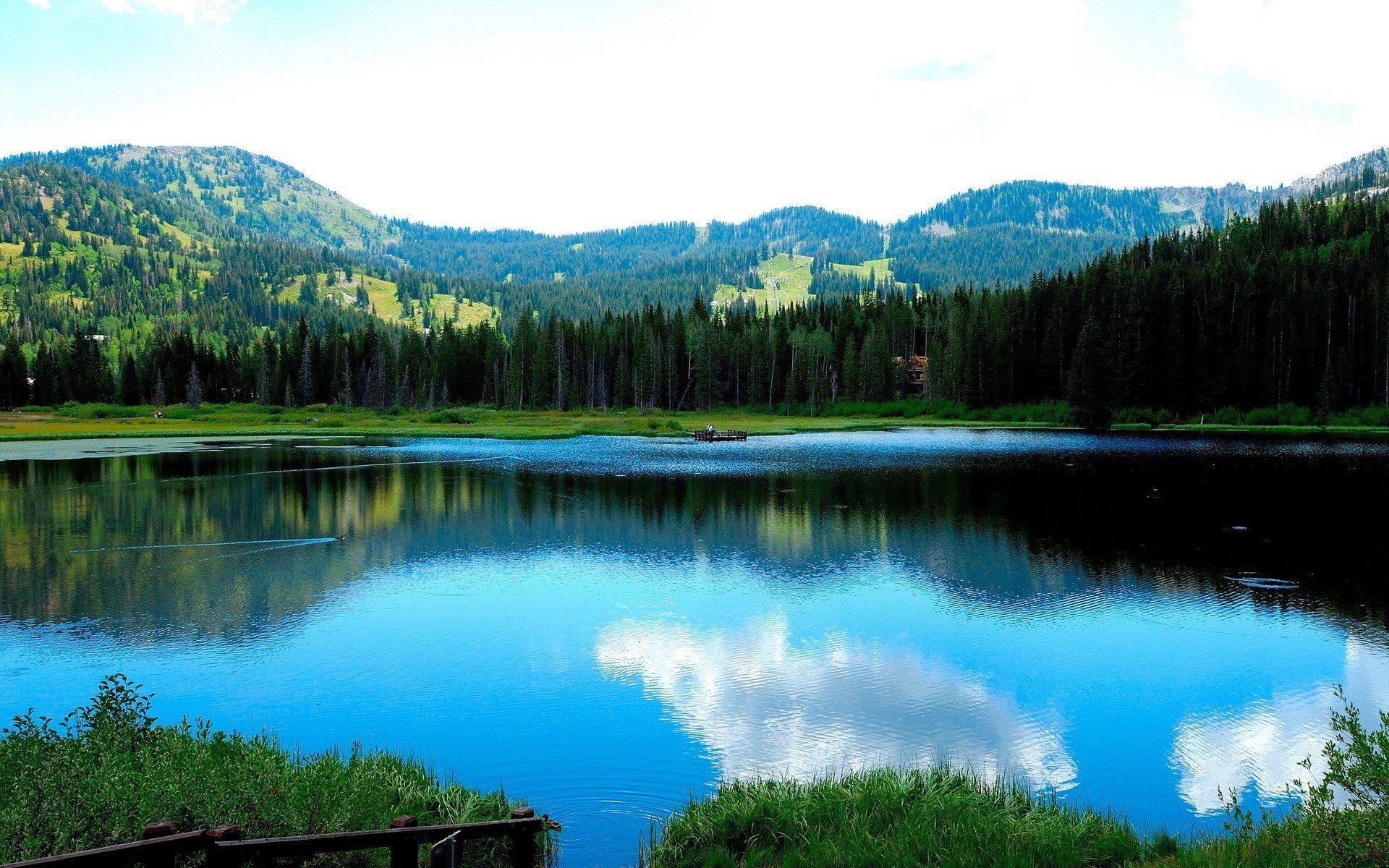
When you're searching for an escape from crowded tourist traps, natural water features and protected green spaces offer a quiet retreat. Lake Dunson and Robertson represent a lesser-known destination rich in local biodiversity, scenic walking paths, and peaceful shoreline views. While many travelers flock to commercialized parks, regional pockets like these provide an authentic window into local ecology and quiet outdoor recreation.
Planning a visit requires understanding the layout, local wildlife regulations, and the best times of year to experience the trails. This guide breaks down everything you need to know about navigating the area, respecting local conservation efforts, and making the most of your time outdoors.
Understanding the Landscape and Ecosystem
The geography surrounding regional water bodies like Lake Dunson and Robertson typically features a mix of hardwood forests, wetland fringes, and managed conservation corridors. These mixed habitats support a wide variety of native wildlife, including migratory birds, amphibians, and various local fish species.
Water management and ecological preservation go hand in hand here. Natural runoff filters through surrounding vegetation, keeping the aquatic ecosystem stable. If you're interested in broader environmental trends, the U.S. National Park Service offers extensive resources on how local ecosystems protect water quality and wildlife habitats. To explore the bigger picture, check out the recent report by Lonely Planet.
Key Ecological Features
- Riparian Buffers: Dense lines of native trees and shrubs line the banks, preventing soil erosion and filtering runoff.
- Wetland Zones: Shallow marshy patches act as natural nurseries for amphibians and small fish.
- Canopy Cover: Mature oaks and pines shade the walking paths, regulating water temperatures and providing shelter for woodland birds.
Recreational Activities and Trail Access
Visiting a natural sanctuary isn't just about passive sightseeing; it's about engaging responsibly with the environment. Whether you enjoy birdwatching, light hiking, or shoreline photography, the layout accommodates slow-paced outdoor exploration.
When walking the perimeter trails, you'll want to wear sturdy footwear, especially after a heavy rain when dirt paths can become muddy. For official guidelines on outdoor recreation safety and Leave No Trace principles, check out the U.S. Forest Service.
What to Bring on Your Visit
- Weather-Appropriate Clothing: Dress in breathable layers and wear waterproof shoes if you plan to explore damp shoreline areas.
- Field Guides or Identification Apps: Local flora and fauna vary by season, making identification tools handy for nature enthusiasts.
- Reusable Water Supplies: Keep hydrated without leaving single-use plastic waste behind.
Conservation Rules and Best Practices
Protecting delicate ecosystems requires strict adherence to local park rules. Littering, disturbing wildlife, and cutting across unmanaged trails damage the very natural majesty that draws visitors in the first place.
State and local wildlife agencies enforce strict regulations regarding fishing licenses, catch-and-release protocols, and seasonal closures. To review state-specific fishing and outdoor recreation regulations, visit GNDNR or your local equivalent wildlife management portal.
- Pack it in, pack it out: Never leave trash, food scraps, or packaging behind.
- Stay on marked paths: Wandering off-trail tramples delicate wildflowers and disturbs nesting animals.
- Keep pets leashed: Domestic animals can disrupt local wildlife and leave scent trails that scare off native birds.
Common Mistakes to Avoid
First-time visitors often make avoidable errors that disrupt their experience or harm the local environment. Keeping these pitfalls in mind ensures a smooth trip.
- Underestimating weather changes: Shaded forest paths stay damp long after rain storms pass. Check local forecasts before heading out.
- Ignoring seasonal wildlife advisories: Certain times of year involve nesting or high mosquito activity. Bring insect repellent and check for local postings.
- Feeding wildlife: Human food harms animal health and conditions wildlife to approach humans aggressively.
Frequently Asked Questions
What is the best time of year to visit Lake Dunson and Robertson?
Spring and autumn offer the most comfortable temperatures for walking and outdoor photography. Spring brings blooming wildflowers and active bird migrations, while autumn showcases vibrant canopy color changes.
Are there designated parking areas nearby?
Yes, local municipal and county parks departments typically maintain gravel or paved parking pull-offs near primary trailheads. Always park in designated spaces to avoid blocking maintenance gates.
Can I fish or boat in the area?
Recreational fishing is often permitted subject to state licensing laws and local bag limits. Always check posted signage at the main access points to verify current rules on watercraft use.
Are dogs allowed on the trails?
Dogs are generally welcome provided they remain on a physical leash at all times and owners clean up after them immediately.


