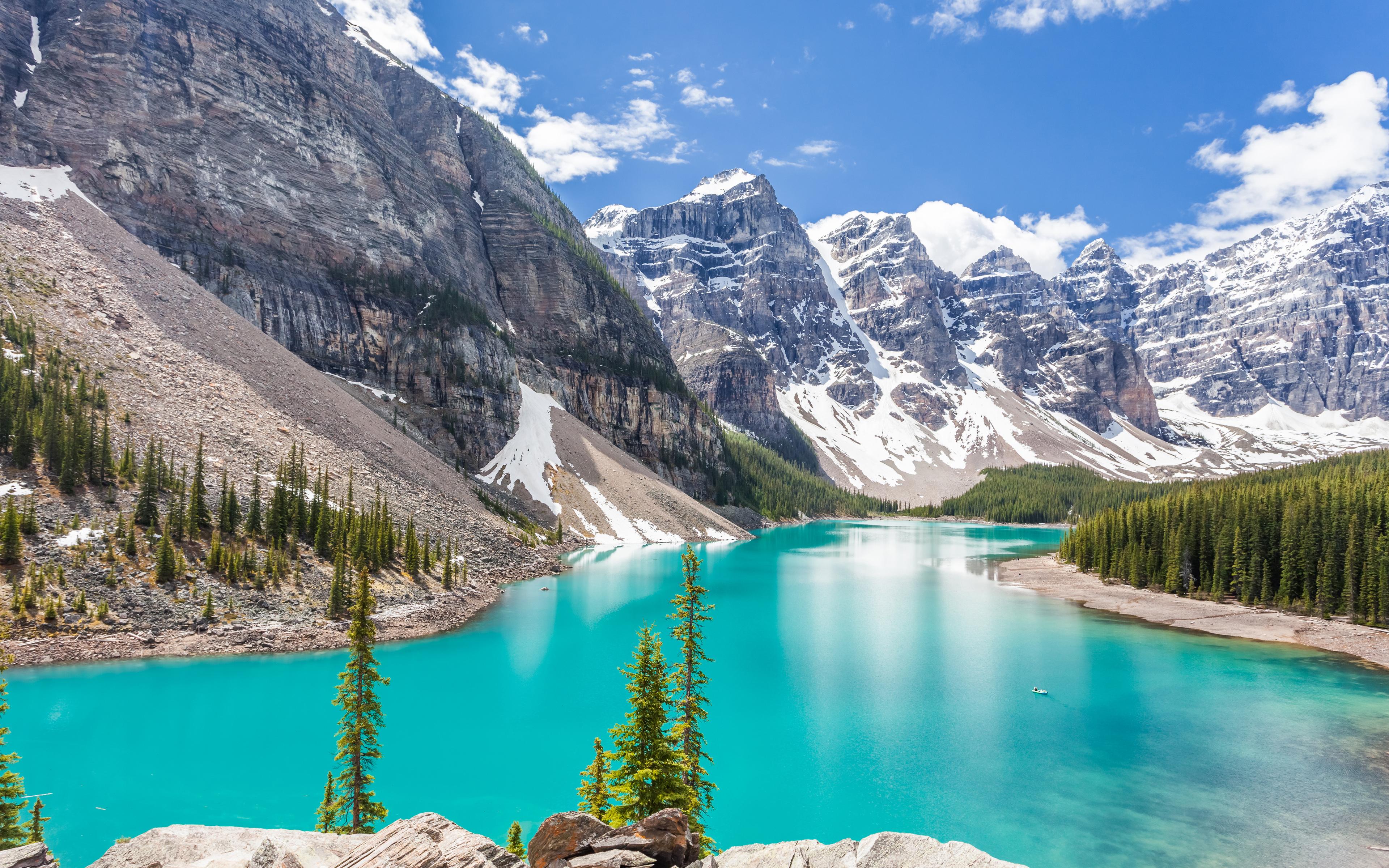
Lake Don Pedro water level fluctuations directly dictate the health of local aquatic habitats and the financial stability of surrounding communities. When reservoir elevations rise or fall, the shifts trigger chain reactions across fish populations, shoreline stability, agricultural irrigation deliveries, and recreational tourism revenue. Managing these complex trade-offs requires balancing strict flood control mandates with the water demands of the Central Valley.
Understanding how changing storage volumes transform this ecosystem helps clarify why water management decisions carry such heavy economic weight. Let's break down the physical, biological, and financial mechanisms at play in this critical California reservoir.
The Hydrology of Lake Don Pedro
Situated on the Tuolumne River in the foothills of the Sierra Nevada, Don Pedro Reservoir spans roughly 13,000 acres with a total capacity exceeding two million acre-feet. Its primary operators—the Turlock Irrigation District and the Modesto Irrigation District, in coordination with the City and County of San Francisco—manage the basin for multiple purposes, including flood risk reduction, hydroelectric power generation, agricultural irrigation, and municipal supply.
Water levels fluctuate seasonally based on snowmelt runoff from the Sierra Nevada and scheduled releases. During wet winters, high inflows force rapid storage increases, requiring operators to balance flood safety against conservation storage. Conversely, dry summer months bring steady drafts as water moves downstream to irrigate crops across the Central Valley and supply drinking water to urban centers.
Aquatic Ecosystem Impacts
Fluctuating water levels reshape the physical and biological environment of the reservoir. Littoral zones—the shallow margins where sunlight penetrates—experience the most dramatic stress during rapid drawdowns or prolonged low-water periods.
Littoral Zone Disruption
When water levels drop sharply, productive shallow zones dry out, eliminating aquatic vegetation that provides cover and spawning grounds for fish. Submerged brush and root structures, which normally offer shelter for juvenile species, are left high and dry on exposed shorelines. This loss of physical habitat increases predation pressure on smaller fish and reduces overall biological productivity.
Temperature and Dissolved Oxygen Shifts
Water volume changes alter thermal stratification within the reservoir. Lower water volumes heat up faster during summer months, compressing the cool-water layers that cold-water species rely upon. Higher water temperatures hold less dissolved oxygen, creating physiological stress for resident fish populations like trout, bass, and native species residing in the watershed.
Spawning Success and Recruitment
Fish reproduction depends heavily on stable water levels during spring spawning windows. Rapid drops in elevation can strand adhesive eggs laid on shallow gravel beds or submerged vegetation, leading to complete year-class failures. Conversely, stable or gently rising water levels during spring promote higher survival rates for young fish, supporting robust populations for subsequent seasons.
Economic Ripple Effects
The health of the reservoir's economy is tied directly to its storage gauge. When lake levels swing to extremes, local businesses, agricultural sectors, and municipal budgets feel the impact immediately.
Recreation and Tourism Revenue
Boating, fishing, camping, and houseboat rentals drive a significant portion of the local economy around the reservoir. When water levels drop significantly below the full pool target of 830 feet, public boat ramps can become unusable, forcing marina operators to extend docks or close access points. Reduced surface area and tricky navigation hazards deter visitors, cutting revenue for local bait shops, gas stations, restaurants, and hospitality providers.
Agricultural and Municipal Allocations
Water stored in Don Pedro is essential for irrigating hundreds of thousands of acres of productive farmland in the Central Valley. If winter precipitation falls short and reservoir storage drops, water districts implement delivery cuts. Farmers face difficult choices regarding crop selection, fallowing acreage, or investing in expensive groundwater pumping. Urban users similarly face conservation mandates and tiered rate structures when supplies tighten.
Hydropower Generation
The dam's hydroelectric facilities convert falling water into clean electricity. Lower reservoir heads reduce the pressure and volume of water passing through the turbines, cutting power generation capacity. When generation drops, utilities must purchase replacement power from the broader energy market, which can introduce upward pressure on electricity rates for regional ratepayers.
Mitigation Strategies and Adaptive Management
To cushion these ecological and economic blows, resource managers employ adaptive strategies informed by real-time hydrologic data and long-term climate modeling.
- Environmental Flow Releases: Operators coordinate closely with state and federal wildlife agencies to time downstream releases, ensuring adequate flows for migrating salmon in the lower Tuolumne River without draining storage reserves prematurely.
- Infrastructure Upgrades: Extending boat ramps and installing floating docks with adjustable track systems helps marinas remain operational across a wider range of lake elevations.
- Water Banking and Conjunctive Use: Districts store surplus surface water in underground aquifers during wet years, reducing reliance on the reservoir during dry spells and stabilizing both environmental flows and agricultural deliveries. You can review ongoing monitoring data through the California Department of Water Resources to track statewide storage trends.
Frequently Asked Questions
What is the full pool elevation for Don Pedro Reservoir?
The normal conservation full pool target is 830 feet above mean sea level. Operating rules require maintaining available flood surcharge space during winter storms, often keeping levels lower until the snowmelt season peaks.
How do low water levels affect fish populations long-term?
While adult fish can adapt to shifting volumes, consecutive dry years compress habitat space, increase water temperatures, and diminish food web productivity. This often leads to reduced growth rates and lower recruitment success for game fish.
Who manages the water levels at Lake Don Pedro?
The reservoir is jointly owned and operated by the Turlock Irrigation District and the Modesto Irrigation District, operating under licenses from the Federal Energy Regulatory Commission (FERC) and in compliance with agreements involving federal and state resource agencies. For detailed operational guidelines, consult the Federal Energy Regulatory Commission.
Do recreational boaters face safety hazards during low water?
Yes. Dropping water levels expose submerged rock formations, tree stumps, and shallow sandbars that are normally deep underwater. Buoy lines often shift, requiring boaters to exercise heightened caution and monitor local U.S. Geological Survey gauge reports before heading out on the water.



