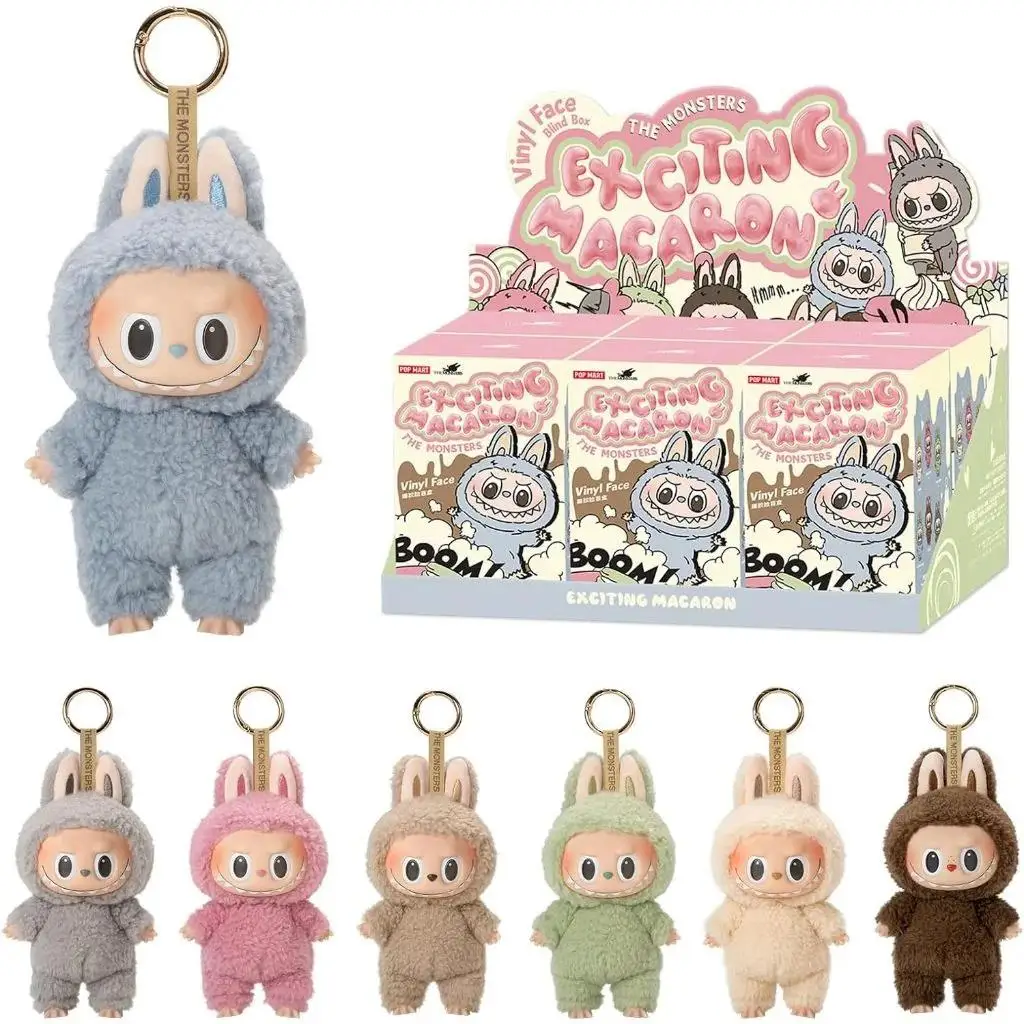
Labubu is a mischievous, elf-like monster character created by Hong Kong-born illustrator Kasing Lung and produced by the toy company Pop Mart. Featuring long ears, a scruffy body, and a signature nine-toothed grin, Labubu has evolved from Nordic-inspired picture books into a global designer toy phenomenon.
If you're trying to understand how a toothy monster captured international pop culture, let's break down its origins, how the blind box collecting craze works, and what makes these art toys so sought after.
Origins of Labubu and Kasing Lung
The character didn't start as a vinyl figurine. Kasing Lung grew up in the Netherlands, where he developed a deep fascination with European folklore, Nordic fairy tales, and woodland creatures. In 2015, he introduced Labubu as part of The Monsters, an illustrated book series featuring an all-female tribe of elflike creatures living deep in the forest.
Unlike traditional sweet or sanitized toy characters, Labubu was designed with a paradoxical charm. The creature is kindhearted, curious, and eager to help, but its chaotic energy and sharp-toothed grin give it an edgy, mischievous personality. In 2019, Lung signed an exclusive agreement with Pop Mart to translate his illustrated universe into three-dimensional art toys, introducing the blind box format that catapulted the characters to mainstream fame.
The Blind Box Phenomenon and Collecting Culture
A major driver behind Labubu's popularity is the blind box marketing model. When you purchase a boxed figure from a series like The Monsters: Exciting Macaron, you don't know which specific colorway or design you're getting until you tear open the foil packaging.
This element of surprise triggers a rush of excitement similar to opening trading card packs. Collections often feature a standard set of distinct variations alongside a rare "secret" figure with much lower odds of being pulled. To combat the randomness, collectors frequently trade duplicates online, buy whole sealed cases, or purchase specific verified figures on secondary marketplaces.
Fans also customize their figures. It's common to see collectors dressing their plush pendants in handmade outfits, adding tiny accessories like miniature handbags, or attaching them securely to designer handbags as statement charms.
Cultural Impact and Global Obsession
By 2024, Labubu transitioned from niche designer toy circles into a massive mainstream trend. High-profile celebrities, including K-pop stars, models, and influencers, began posting photos of themselves wearing Labubu pendants on social media.
This viral wave sparked unique cultural moments around the world:
- In Thailand, the dolls became so culturally ubiquitous that some enthusiasts treated them as lucky talismans, leading to specialized local accessories and massive public interest.
- Pop Mart expanded its physical retail presence, opening high-profile flagship stores in major fashion capitals like Paris, New York, and Milan.
- The secondary market surged, with rare editions commanding significant premiums among dedicated collectors.
Despite the widespread enthusiasm, the craze also brought scrutiny. Critics point out how scarcity-driven marketing encourages overconsumption, while the market has seen a wave of counterfeit "Lafufu" items featuring sloppy printing, incorrect tooth counts, and missing brand authentication.
Frequently Asked Questions
How many teeth does an authentic Labubu have?
An authentic Labubu figurine designed by Kasing Lung always features exactly nine visible teeth in its signature mischievous grin. Many counterfeit versions fail to replicate this precise detail and feature incorrect dental counts.
Who created Labubu?
Labubu was created by artist and illustrator Kasing Lung in 2015 for his picture book series The Monsters. The physical art toys are manufactured and distributed through a partnership with Pop Mart.
Are Labubu toys made of vinyl or plush?
Pop Mart manufactures Labubu in several formats. Many classic figures are sculpted from rigid vinyl, while popular wearable series like the Macaron line combine a soft, furry plush body with a hard vinyl face.
Why are Labubu dolls so hard to find in stores?
Because Pop Mart releases figures in limited themed series using a blind box distribution model, high-demand items sell out quickly. Scalpers and high resale demand often drain retail inventories almost immediately upon restock.


