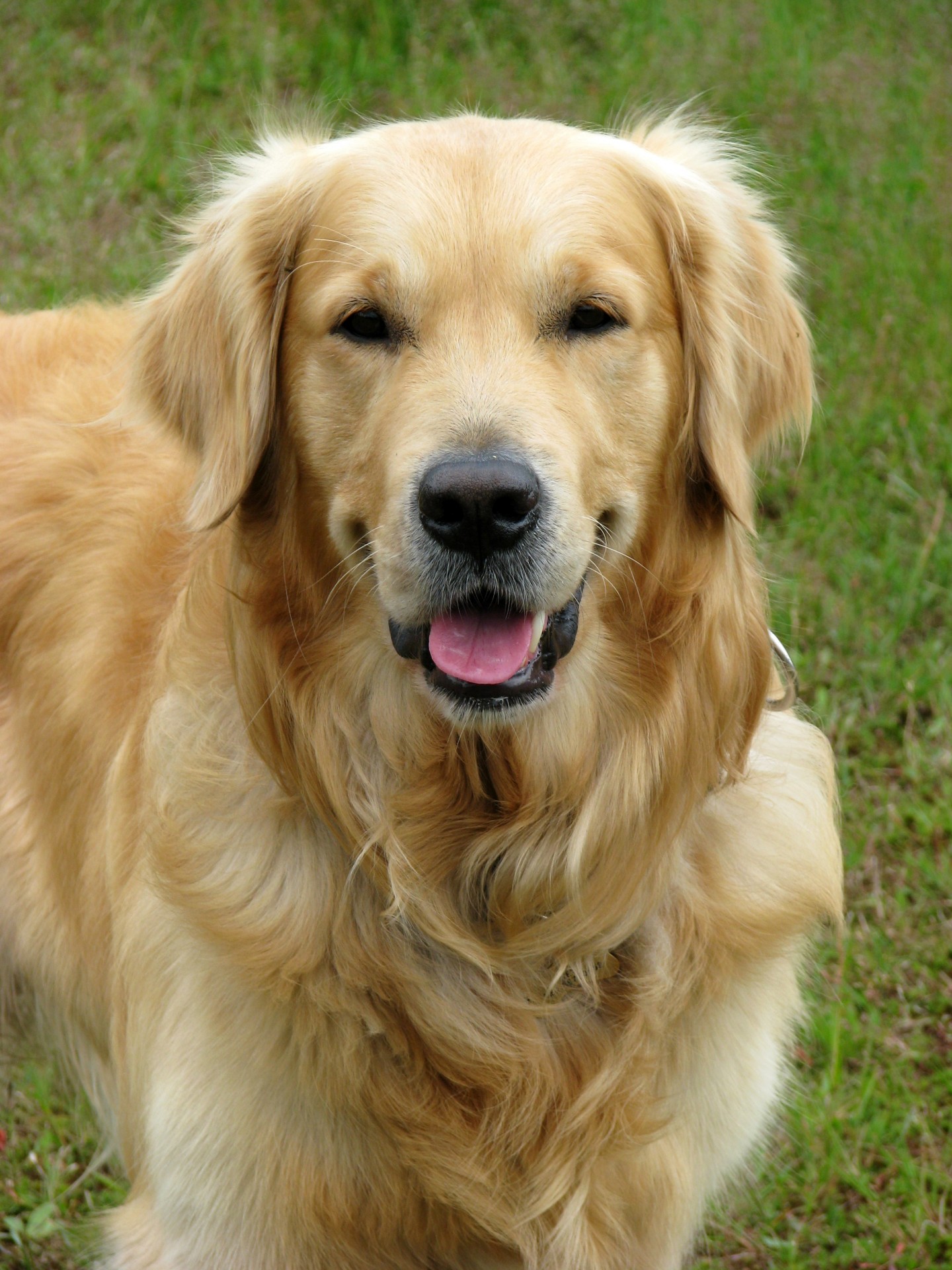
Bringing a Labrador Retriever into your home means welcoming an energetic, fiercely loyal companion who thrives on human interaction. While they earned their reputation as America’s top family dog through endless patience and sunny dispositions, turning an exuberant puppy into a well-mannered household member takes structure, daily exercise, and consistent boundaries.
Beneath the friendly exterior lies a working dog bred for stamina and retrieval. Without proper direction, a young Lab’s high energy can manifest as jumping, counter-surfing, or relentless chewing. Success requires understanding their specific physical needs, applying positive reinforcement early, and managing daily routines effectively.
Understanding the Labrador Temperament
Labradors possess a famously openhearted personality, but their emotional development depends heavily on genetics combined with early experiences. They form strong attachments to family members and struggle when left isolated for long stretches.
- High Sociability: They generally love meeting new people and integrate smoothly into multi-pet households.
- Emotional Sensitivity: Labs read tone of voice and body language closely. Harsh corrections backfire, whereas calm, consistent leadership builds trust.
- Prolonged Adolescence: While they mature physically by age two, their goofy, puppy-like exuberance often lasts until they turn three or four.
Daily Exercise and Mental Enrichment
A tired dog is a good dog, but for a Labrador, physical walks alone rarely scratch the surface. Because they were bred to work all day in fields and icy waters, they need purposeful activity that engages both body and brain.
Physical Outlets
Aim for at least sixty to ninety minutes of daily exercise divided into multiple sessions. Long walks provide baseline fitness, but off-leash running in secure areas, swimming, and structured games of fetch satisfy their natural retrieval drive.
Mental Stimulation
Prevent destructive boredom by incorporating puzzle toys, snuffle mats, or short obedience drills into their routine. Teaching your dog to retrieve specific items or carry a lightweight backpack during walks gives them a sense of purpose.
Core Training Essentials
Training should begin the day your dog arrives home. Because Labs grow large and strong quickly, early impulse control prevents dangerous pulling on the leash or accidental knocks against young children.
- Keep Sessions Short: Five to ten minutes of focused training several times a day yields better results than one long, frustrating session.
- Use High-Value Rewards: Food motivation is a powerful tool for this breed, making treats and enthusiastic praise exceptionally effective.
- Teach the "Leave It" Command: Essential for a breed famous for trying to eat inappropriate objects, from children's toys to dangerous human foods.
- Practice Calm Greetings: Discourage jumping by turning your back when they jump up and rewarding all four paws remaining on the floor.
Nutrition and Health Management
Labradors live to eat. Their lack of a natural "off" switch around food means that free-feeding almost always leads to canine obesity, which places heavy stress on their joints.
- Measure Every Meal: Use a digital kitchen scale to measure daily kibble portions precisely based on your vet's recommendation.
- Smart Treat Management: Substitute high-calorie store-bought treats with healthy alternatives like green beans, carrots, or small pieces of plain cooked chicken during training.
- Joint Care: Protect their hips and elbows during puppyhood by avoiding excessive high-impact jumping or forced long-distance running until their growth plates fully close around 12 to 18 months of age.
For more information on canine health and preventative care, visit the American Kennel Club.
Common Mistakes to Avoid
Even dedicated owners fall into patterns that inadvertently cause behavioral friction.
- Inconsistent Rules: If one family member allows the dog on the furniture while another scolds them for it, the dog becomes confused and anxious. Establish family-wide boundaries immediately.
- Ignoring Early Mouthing: Labrador puppies explore the world with their mouths. Tolerating gentle nipping at eight weeks old creates a biting hazard when the dog weighs seventy pounds. Always redirect teeth onto appropriate chew toys.
- Underestimating Socialization: Assuming a friendly puppy needs no extra socialization leads to reactive or fearful adult dogs. Continue exposing your dog safely to new environments, sounds, and people throughout their adolescence.
To explore breed standards and health screening resources in depth, consult the The Labrador Retriever Club.
Frequently Asked Questions
Are Labrador Retrievers good with toddlers and young children?
Yes, Labs are exceptionally patient and gentle with children. However, because of their size and boisterous energy, accidental bumps can happen. Always supervise interactions between dogs and young kids.
How much do Labradors shed?
They possess a dense double coat that sheds year-round and blows heavily twice a year during seasonal changes. Weekly brushing with a slicker brush or undercoat rake keeps loose hair under control.
Are Labs easy to train for first-time owners?
Their high intelligence and eagerness to please make them exceptionally trainable, provided the owner remains consistent, patient, and dedicated to meeting their high exercise needs.
Do Labrador Retrievers require a large yard?
While they love open space, a large yard doesn't replace human engagement. Labs can adapt to smaller homes or apartments successfully if their owners commit to daily outdoor exercise and mental workouts.



