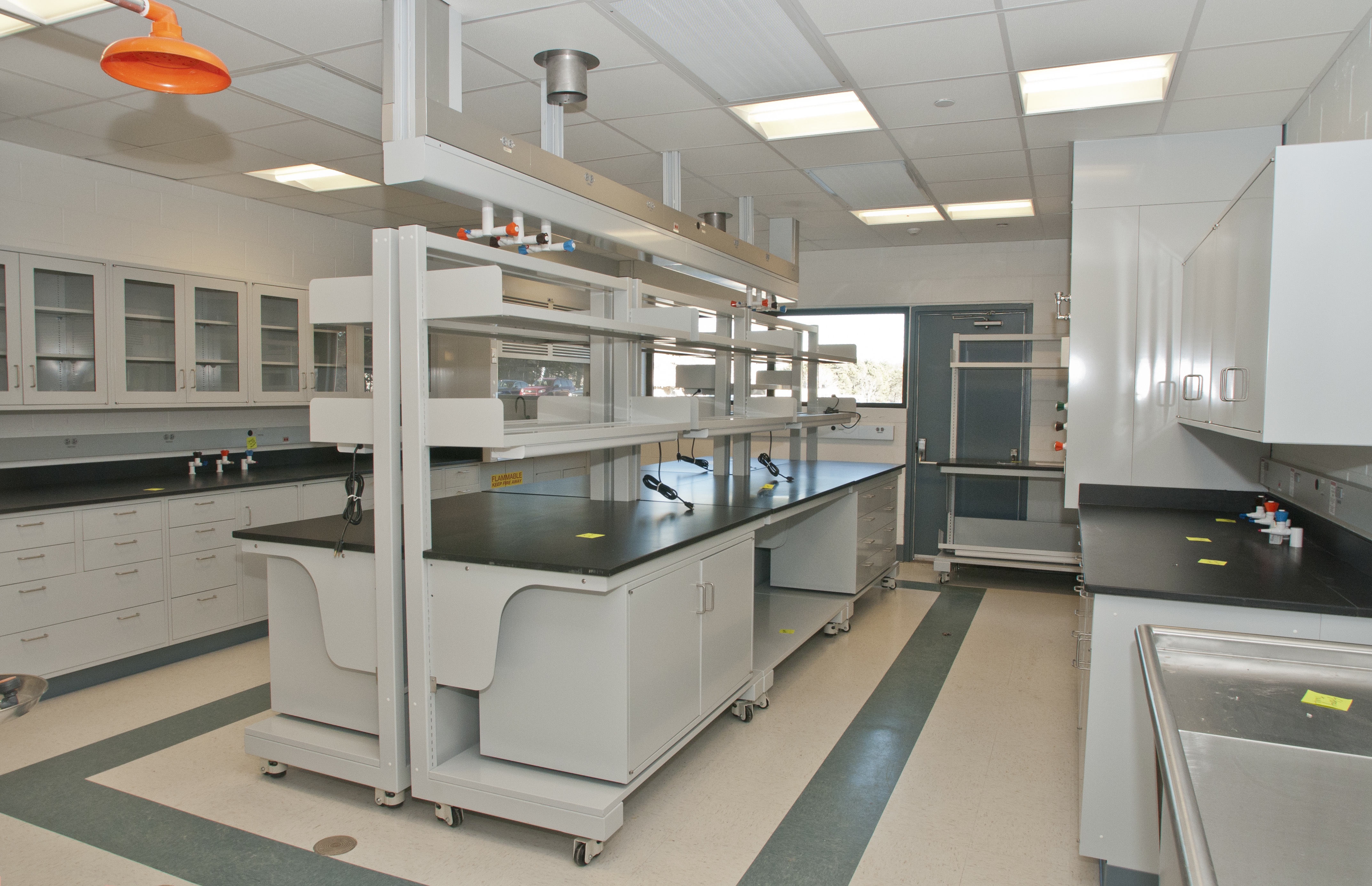
Mastering core laboratory techniques is essential for accurate scientific research and successful coursework. When you're tackling a laboratory assignment, knowing how to handle equipment, record data correctly, and interpret results separates a passing grade from a failing one. Let's break down the practical answers and methodologies you need for your next lab report.
Every successful lab assignment rests on three pillars: precise measurement, meticulous documentation, and strict adherence to safety protocols. If you miss a step in your initial calibration or misread a meniscus, your entire dataset can be compromised. Here is how to navigate common lab techniques, avoid errors, and structure your findings for maximum accuracy.
Fundamental Measurement Techniques
Accuracy starts at the bench. Whether you're working in chemistry, biology, or physics, your measurements dictate the validity of your conclusions.
- Mass and Volume: Use analytical balances for mass, and always tare the balance with your weighing vessel first. For liquid volume, read graduated cylinders and burettes at eye level, aligning your perspective with the bottom of the meniscus.
- Temperature Control: Allow solutions to reach room temperature unless your protocol specifies otherwise. Thermal expansion shifts volume measurements significantly.
- Calibration: Check your instruments before starting. A pH meter requires standard buffer calibration (typically pH 4, 7, and 10) to yield reliable readings.
Qualitative Versus Quantitative Methods
Your lab assignment will typically require you to distinguish between qualitative observations and quantitative data. Both are necessary for a complete scientific picture.
Qualitative techniques involve descriptive properties. You're looking at color changes, precipitate formation, gas evolution, or cellular morphology under a microscope. Record these details immediately rather than relying on memory.
Quantitative techniques involve hard numbers. You're measuring absorbance via spectrophotometry, determining concentration via titration, or calculating reaction rates. You must include units for every numerical value and maintain proper significant figures throughout your calculations.
Standard Laboratory Procedures
Following established protocols ensures your work is reproducible. Here is how to execute standard procedures without introducing systematic error.
Preparing Solutions and Reagents
When diluting concentrated acids or bases, always add acid to water, never water to acid. This prevents exothermic splashing. Label every beaker and flask immediately so you don't mix up samples halfway through a multi-step procedure.
Recording Data in Real Time
Don't write observations on loose scraps of paper. Enter data directly into your bound laboratory notebook using ink. If you make a mistake, draw a single line through it and write the correction beside it. Erasing or using whiteout destroys the legal and academic integrity of your lab record.
Essential Safety Protocols
Skipping safety steps doesn't just risk your grade; it risks your safety. Make sure you follow these non-negotiable rules during every session.
- Personal Protective Equipment: Wear chemical splash goggles, a lab coat, and closed-toe shoes at all times. Nitrile gloves protect against minor chemical splashes, but change them immediately if they become contaminated.
- Chemical Disposal: Never pour heavy metal solutions, organic solvents, or concentrated acids down standard sinks. Use designated hazardous waste containers provided in your lab.
- Emergency Response: Locate the eyewash station, safety shower, and fire extinguisher before you touch a single piece of equipment. If a chemical splashes in your eyes, flush them immediately for fifteen minutes.
For detailed chemical safety guidelines, consult the Occupational Safety and Health Administration laboratory safety standards. To learn more about standard scientific protocols, visit the National Institute of Standards and Technology.
Troubleshooting Common Lab Errors
Things go wrong in experiments. When your results don't match expected theoretical values, you need to diagnose the root cause rather than fudging the numbers.
- Percent Error Calculations: Calculate your percent error using the formula $\text{Percent Error} = \frac{|\text{Experimental Value} - \text{Theoretical Value}|}{\text{Theoretical Value}} \times 100$. A high error rate points to systematic issues like miscalibrated tools or impure reagents.
- Outliers in Datasets: If one trial deviates wildly from the others, check your notes for procedural blunders. You can discard a trial only if you identify a clear experimental error, not just because it doesn't fit your hypothesis.
- Contamination Issues: In biological or analytical chemistry labs, dirty glassware introduces unwanted ions or microbes. Always perform a final rinse with deionized water.
Frequently Asked Questions
How do I write a strong lab report conclusion?
Summarize your primary quantitative findings, compare your experimental value to the accepted theoretical value, and explicitly state whether your hypothesis was supported. Discuss two specific sources of error and how you would fix them next time.
Why are significant figures important in lab assignments?
Significant figures reflect the precision of your measuring tools. Reporting too many digits implies an artificial level of accuracy that your equipment didn't actually provide.
What should I do if my titration endpoint is overshot?
If the solution turns dark pink or exceeds the equivalence point, you cannot reuse that sample. You must discard it, clean your glassware, and perform a fresh titration trial.
How can I improve my time management during complex labs?
Read through the entire experimental protocol twice before arriving at the lab. Create a flowchart of the steps so you know which procedures can run concurrently, such as heating one solution while titrating another.



