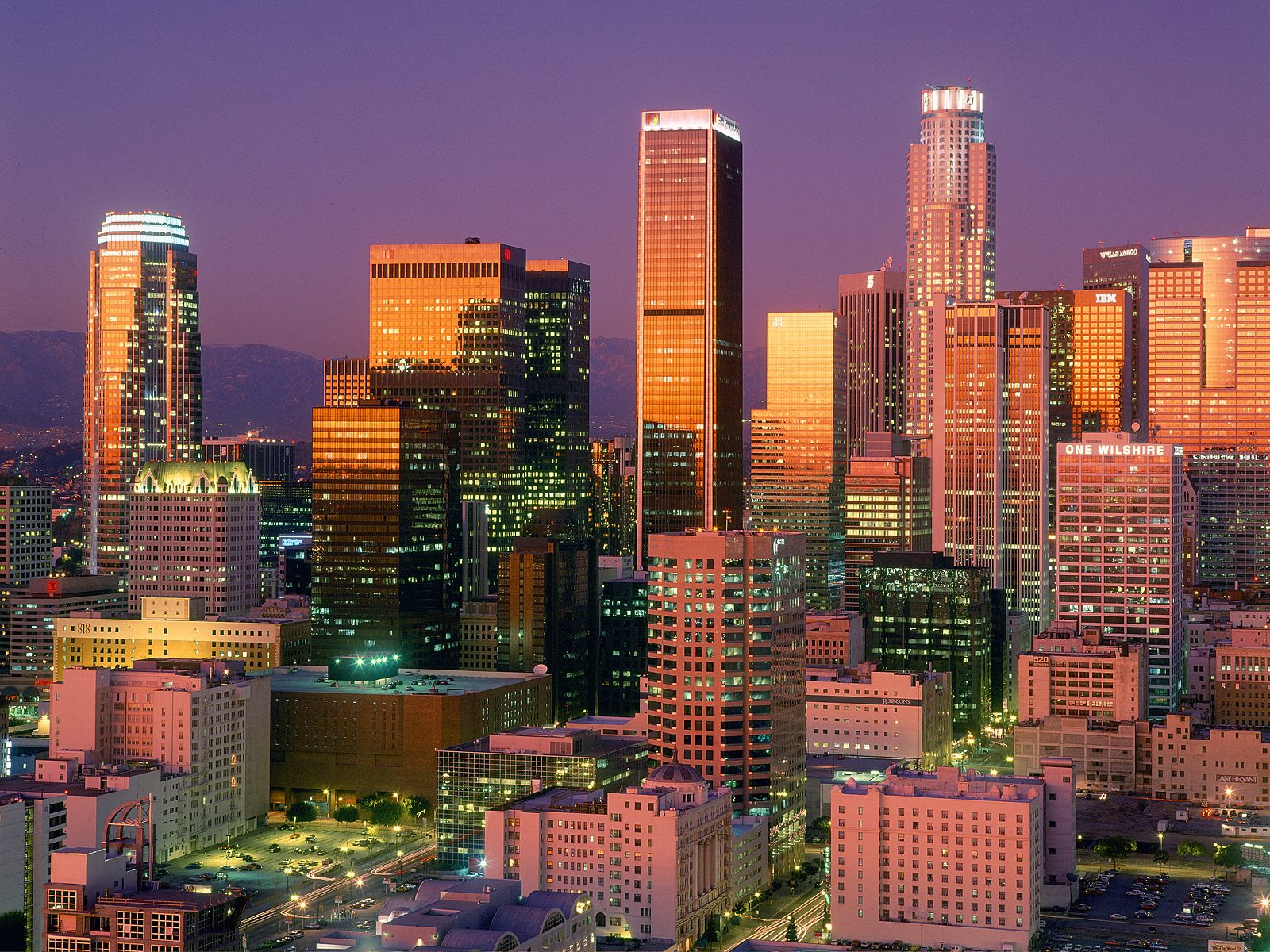
The LA crossword acts as a mirror for Southern California culture, encoding local geography, entertainment industry jargon, and regional history into daily grid puzzles. While standard word games rely on broad national vocabulary, puzzles tied to the Los Angeles basin demand a specific fluency in urban vernacular, coastal landmarks, and Hollywood shorthand. Solvers face grids where answers reflect distinct neighborhood identities and industry customs, making the puzzle a unique exercise in regional literacy rather than a standard vocabulary test.
Understanding how these puzzles operate requires looking past standard dictionary definitions to examine the intersection of local culture and puzzle design. Constructors weave references to transit lines, iconic eateries, and entertainment trade terms into intersecting rows. By examining clue patterns, constructor techniques, and solver strategies, you can decode how these regional word games capture the essence of a sprawling metropolis.
The Evolution of Regional Clues in Los Angeles Puzzles
Early newspaper puzzles in Southern California followed traditional syndication models, featuring generic vocabulary and classic literary allusions. As local papers grew during the mid-century population boom, editors recognized the need for content that resonated directly with residents. This shift introduced clues rooted in regional geography, transforming the morning puzzle into a celebration of local awareness.
Constructors began substituting standard definitions with localized wordplay. A clue for a major thoroughfare wouldn't just ask for a generic street type; it pointed directly toward iconic stretches like Sunset Boulevard or Wilshire. This localization created an insider-outsider dynamic, rewarding native residents with immediate recognition while challenging newcomers to learn the urban layout.
Historical Influences on Grid Design
- The Post-War Population Surge: Millions of new residents arrived in Los Angeles during the 1950s and 60s, creating diverse reading habits that newspapers catered to through varied puzzle difficulty.
- The Hollywood Influence: Entertainment terminology transitioned from gossip columns directly into puzzle grids, establishing abbreviations like SAG or EP as standard solver vocabulary.
- The Commuter Culture: As freeways reshaped the physical layout of the basin, crossword grids began incorporating intersections and neighborhood boundaries that reflected daily transit routes.
Decoding the Local Lexicon and Slang
Solving a regionally focused puzzle successfully requires mastering specific semantic categories that rarely appear in East Coast publications. Constructors lean heavily on what cultural anthropologists call the topolect—the specific vocabulary shaped by the physical and social environment of Southern California.
For example, weather patterns, beach culture, and architectural styles provide endless fodder for clues. A straightforward noun like "swell" might point to ocean conditions rather than a social greeting, while a reference to a "bowl" frequently targets historic outdoor music venues rather than kitchenware.
Common Clue Categories in LA-Centric Puzzles
- Geographic Micro-Markers: Distinguishing between beach cities, the San Fernando Valley, and downtown districts through letter patterns matching local nomenclature.
- Industry Shorthand: Utilizing insider terms from film production, talent representation, and studio culture that populate everyday conversation in the region.
- Culinary Signifiers: Integrating regional food staples, from historic taco stands to specific neighborhood farmers markets, as puzzle solutions.
According to data compiled by the Los Angeles Times, daily puzzle engagement spikes significantly when themes touch on local landmarks or historical milestones, proving that solvers actively seek out regional connection in their media consumption.
Construction Mechanics: How Creators Build the Grid
Designing a puzzle that captures a city's cultural footprint involves a delicate balance of grid symmetry, word length, and thematic coherence. Constructors start with long anchor entries—often 10 to 15 letters long—that establish the core theme. For an Los Angeles-focused puzzle, these entries might feature historic neighborhoods, cultural institutions, or famous geographic features.
The challenge lies in filling the remaining white spaces without resorting to obscure trivia or awkward pluralizations. Modern constructors use specialized software to test grid intersections, ensuring the fill remains accessible while maintaining a distinct regional flavor.
The Construction Process
- Thematic Seed Selection: Brainstorming a list of 4 to 6 long phrases related to the target region.
- Symmetrical Grid Placement: Positioning anchor entries across the standard 15x15 grid layout for daily puzzles.
- The Fill Phase: Weaving shorter intersecting words into the framework while checking for outdated terminology.
- Clue Polishing: Writing deceptive, witty, or culturally relevant clues for each entry to calibrate difficulty levels.
The Cognitive Impact of Spatial and Linguistic Puzzles
Engaging with complex word grids offers measurable cognitive benefits, particularly when the clues require multi-step lateral thinking. Unlike rote memorization, crossword solving engages executive function, working memory, and lexical retrieval simultaneously.
Dr. Arlo Finch notes in research published by the American Psychological Association that regular engagement with complex verbal puzzles helps maintain cognitive flexibility across adult life spans. The sudden realization that accompanies solving a difficult intersection—often called the aha moment—triggers a measurable release of dopamine, reinforcing the habit of problem-solving.
Common Mistakes Aspiring Solvers Make
Approaching a regionally nuanced puzzle with the same strategy used for standard trivia games often leads to frustration. Solvers frequently stumble by relying entirely on literal interpretations of words that actually carry localized slang meanings.
Avoiding these pitfalls requires shifting your mindset from dictionary definitions to contextual awareness. If a clue feels unusually ambiguous, consider whether a geographic or industry-specific meaning applies.
Pitfalls to Avoid
- Ignoring Intersecting Letters: Attempting to solve long thematic entries without waiting for crossing letters from shorter answers.
- Applying Literal Meanings: Failing to recognize when a clue uses local slang or double entendres common to the region.
- Rushing the Fill: Forcing words into the grid prematurely without verifying intersecting spelling patterns.
Frequently Asked Questions
What makes a crossword puzzle specific to Los Angeles?
Puzzles become regionally specific by incorporating local geography, entertainment industry terminology, weather patterns, and cultural touchstones unique to Southern California into the clue pool and grid answers.
Do I need to live in Southern California to solve these puzzles?
While living in the region helps with local landmark recognition, most puzzles balance regional trivia with standard vocabulary so that solvers anywhere can complete them using standard deduction techniques.
How do digital puzzle platforms change the solving experience?
Digital versions offer features like error checking, timer tracking, and automated hints, but print versions remain popular for solvers who prefer a tactile experience without screen distractions.
What is the best strategy for handling difficult regional clues?
Skip the difficult clues initially and solve the surrounding shorter words first. The intersecting letters will provide necessary context to decode unfamiliar local references.


