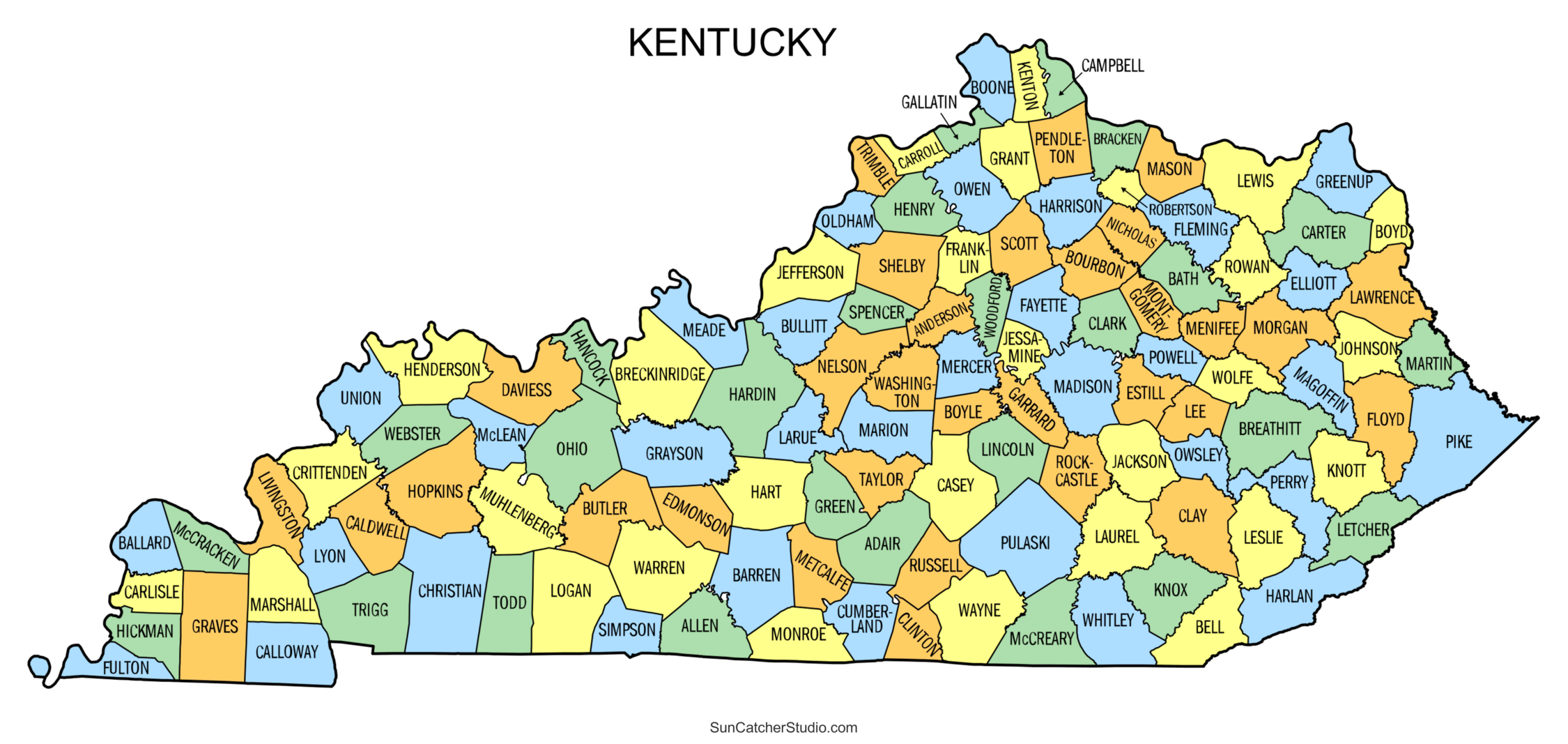
Navigating time in the Commonwealth of Kentucky isn't as simple as checking a single clock. Unlike states that sit entirely within one boundary, Kentucky is split across two distinct zones, creating unique coordination challenges for residents, travelers, and businesses alike. Approximately sixty percent of the state operates on Eastern Time, while the western forty percent runs on Central Time.
Understanding how this division works helps prevent missed appointments, travel delays, and scheduling confusion. Whether you're coordinating meetings between Louisville and Paducah or tracking events across state lines, knowing the exact boundaries of the ky time zone system is essential.
The Dual-Zone Reality of Kentucky
Kentucky's time split places the eastern and central regions on different schedules. Major population centers like Louisville, Lexington, Covington, and Frankfort observe Eastern Standard Time (EST) and Eastern Daylight Time (EDT). Meanwhile, western hubs such as Bowling Green, Owensboro, Paducah, and Hopkinsville observe Central Standard Time (CST) and Central Daylight Time (CDT).
This division splits the state roughly along a diagonal line running from the Tennessee border up toward the Indiana border. Several counties near the center—such as Adair, Russell, Wayne, and Pulaski—sit directly adjacent to the boundary line, meaning a short drive down the highway can shift your phone's clock by an entire hour.
According to geographic data from the Kentucky Open Data Portal, the official time zone boundary is carefully mapped across specific county lines to accommodate local commercial ties and transportation routes. Historically, cities like Louisville shifted from Central to Eastern time in 1961 to better align with commercial partners in Cincinnati and the industrial northeast.
Why Kentucky Is Split Between Two Zones
The separation stems from a mix of historical commerce patterns, railroad expansion, and economic alignment. In the late nineteenth and early twentieth centuries, local communities chose their time based on trade partners rather than strict geographic meridians.
Western Kentucky maintained stronger economic ties with Memphis, Nashville, and St. Louis, anchoring its preference for Central Time. Eastern and northern communities leaned toward Cincinnati, Pittsburgh, and New York, locking them into the Eastern Time Zone. Over the decades, the federal government formalized these boundaries through the Department of Transportation, though occasional petitions from individual counties have prompted minor adjustments.
For instance, Wayne County moved from Central to Eastern Time in the year 2000 to unify local school districts and business operations with neighboring eastern counties. These shifts highlight that time zones are administrative boundaries driven by human activity rather than fixed natural lines.
Practical Strategies for Managing the Split
Working or traveling across Kentucky's internal time boundary requires intentional habits to avoid mistakes. If you manage schedules that span both halves of the state, keep these practical rules in mind:
- Double-check location specifics: Don't assume a statewide event starts at the same local clock time. Always verify whether a venue is located in an Eastern or Central county.
- Set dual clocks on digital devices: If you regularly coordinate between Louisville and Paducah, configure your calendar tools to display multiple time references.
- Confirm travel itineraries: Public transit connections, local bus lines, and regional flights operating between eastern and central hubs factor the one-hour shift into their printed schedules. Always check whether departure and arrival times are listed in local time.
- Clarify meeting times: When scheduling virtual calls with clients across the state, explicitly state the time zone rather than just saying "two o'clock."
Frequently Asked Questions
Does all of Louisville use Eastern Time?
Yes. Louisville and its surrounding Jefferson County suburbs operate entirely on Eastern Time. However, crossing west across the county line into regions like Harrison County or Meade County can occasionally bring you near or across the transition boundary depending on the exact route.
When do clocks change for daylight saving in Kentucky?
Kentucky observes daylight saving time uniformly across both zones. Clocks spring forward one hour on the second Sunday in March and fall back one hour on the first Sunday in November, matching federal guidelines outlined by the U.S. Department of Transportation.
How can I tell which zone a specific county is in?
You can consult official mapping tools or check regional listings provided by state resources such as the Kentucky Cabinet for Economic Development. Most digital map applications will automatically update your device time based on your precise GPS coordinates.
Have any counties switched time zones recently?
While petitions happen occasionally, major shifts are rare because they require approval from federal transit authorities. Most counties prefer stability to avoid disrupting local commerce, schools, and emergency services.



