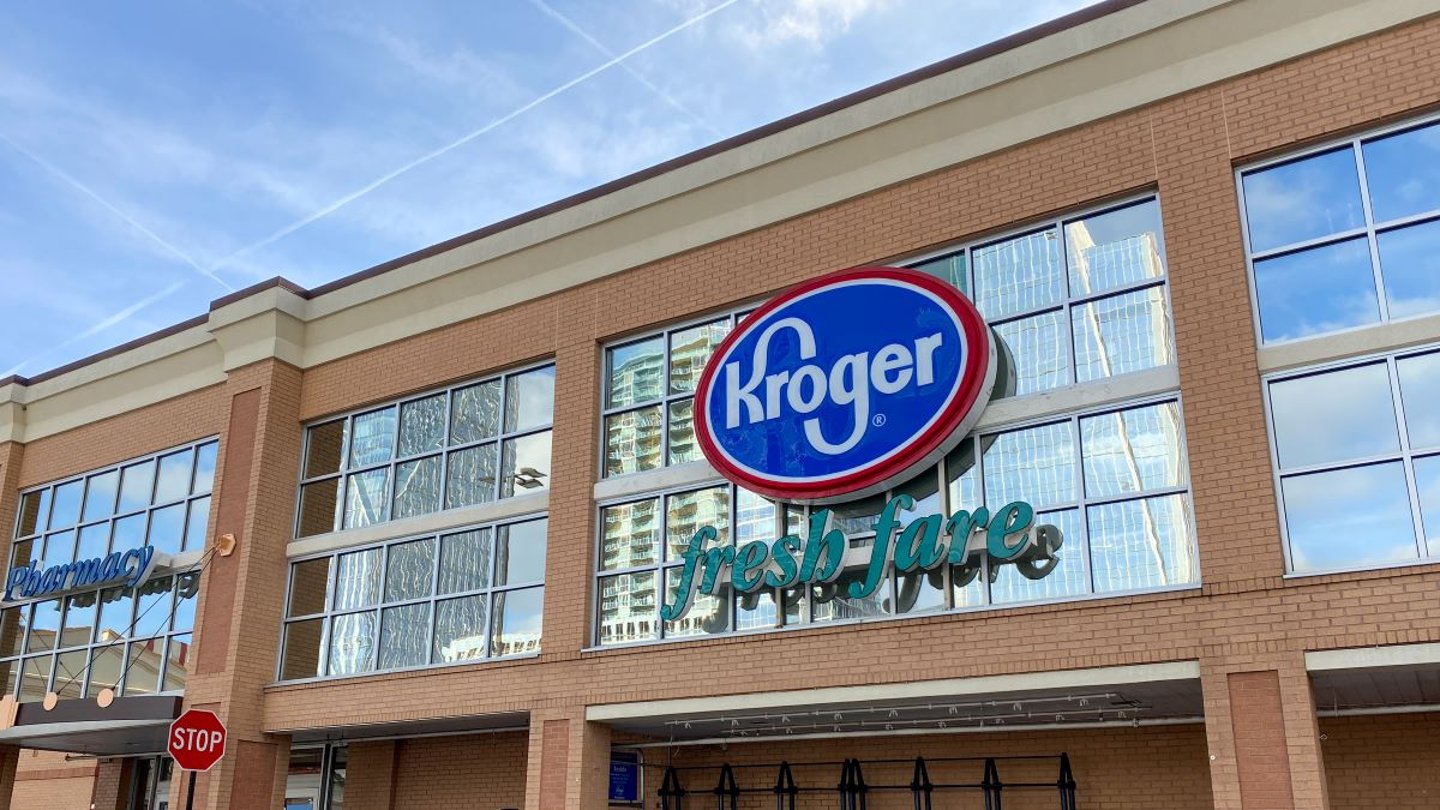
Major supermarket chains do much more than sell milk and bread. In communities like Troy, Ohio, a flagship grocery store acts as an economic engine, shaping local employment numbers, consumer spending habits, and neighborhood development. When a national retail giant anchors a regional market, it sets benchmarks for wages, supply chain logistics, and small business competition.
Understanding how a single corporate footprint affects Miami County requires looking beyond the checkout lanes. From shifting retail jobs to changing how residents fill their weekly pantries, corporate grocery stores alter the day-to-day rhythm of midwestern towns.
The Evolution of Retail Employment in Troy
Retail work used to mean standing behind a cash register part-time while earning minimum wage. Today, big-box supermarkets and major grocery chains operate more like logistics hubs. In Troy, positions range from traditional meat cutters and bakery clerks to e-commerce personal shoppers and digital fulfillment coordinators.
Digital shopping orders transformed store staffing models. Grocery pick-up and delivery services require dedicated workers to scour aisles, scan barcodes, and stage perishable items in precise temperature zones. These roles introduced new hourly wage tiers into the local labor market, often ranging between $15 and $18 per hour depending on shifts and responsibilities.
- Direct Hiring Power: Large grocery stores consistently employ dozens of full-time and part-time workers from Troy and surrounding townships like Piqua and Tipp City.
- Benefits and Perks: Corporate scale allows employers to offer healthcare packages, 401(k) matching, and tuition reimbursement programs that smaller independent grocers struggle to match.
- Skill Diversification: Employees learn inventory management, food safety compliance, and customer relationship management, building transferable skills for the regional job market.
For young adults entering the workforce or career-changers looking for stability, supermarkets provide accessible entry points with clear paths to department management. At the same time, the presence of major corporate employers puts pressure on independent retailers and local restaurants to raise their own wages to compete for local talent.
Reshaping Consumer Shopping Habits in Miami County
Convenience dictates modern consumer behavior. The expectation of ordering groceries online and having them loaded into a trunk within hours has changed how Troy residents plan their weekly routines. Big-box grocery footprints merge traditional in-store browsing with automated inventory tracking, creating a hybrid shopping experience.
This shift impacts independent specialty shops in downtown Troy. While local bakeries, butchers, and farm markets retain loyal customer bases drawn to unique craft goods, corporate giants capture the bulk-buying and staple-item volume. Families trade the time-consuming chore of visiting multiple specialty stores for the centralized efficiency of a single parking lot.
- Digital Integration: Mobile apps offer digital coupons, personalized rewards, and automated re-ordering that lock shoppers into specific retail ecosystems.
- Price Competitiveness: Economies of scale let large chains absorb supply chain cost fluctuations better than independent grocers, protecting consumers from sudden price spikes on staple goods.
- Extended Operations: Extended operating hours accommodate non-traditional work schedules common in regional manufacturing and logistics sectors.
Yet, this convenience comes with trade-offs. Dollars spent at a national chain flow out of Miami County faster than dollars spent at locally owned enterprises, affecting the velocity of local money multiplication.
Economic Ripple Effects on the Local Supply Chain
A major supermarket influences more than its immediate building footprint. It serves as a retail anchor that drives traffic to neighboring strip malls, gas stations, and fast-casual restaurants. When shoppers drive to a designated commercial corridor for groceries, they often complete other errands in the same trip, boosting neighboring enterprise revenues.
Property values and municipal tax receipts also feel the impact. Large commercial properties generate substantial property and sales taxes that fund local infrastructure, public schools, and emergency services in Miami County.
- Commercial Corridor Growth: Grocery anchors attract complementary retail tenants, reducing commercial vacancy rates along main thoroughfares.
- Infrastructure Investment: Increased traffic prompts local government attention toward road maintenance, traffic light synchronization, and public transit routing.
- Regional Distribution Ties: Proximity to major distribution centers across western Ohio ensures steady supply chains, minimizing out-of-stock scenarios for local consumers.
At the same time, reliance on centralized corporate logistics means local farmers and independent growers face steep barriers to getting their produce onto mainstream shelves. Corporate procurement heavily favors massive agricultural conglomerates capable of fulfilling regional distribution contracts.
Common Misconceptions About Big-Box Grocers
Discussions surrounding retail giants often lean on generalizations. Clearing up these misconceptions helps paint an accurate picture of their role in regional economies.
- Myth: All retail jobs pay minimum wage. Modern grocery chains utilize tiered pay scales, with specialized roles in pharmacy, meat cutting, and e-commerce commanding significantly higher starting wages than standard cashiers.
- Myth: Local businesses are instantly wiped out. While direct competitors in staple groceries face pressure, specialty boutiques, ethnic markets, and artisanal shops often thrive by offering items big-box stores cannot stock.
- Myth: Corporate stores reinvest nothing locally. Beyond local property taxes and payroll, major chains fund community grants, food bank donations, and local youth program sponsorships through corporate citizenship initiatives.
Frequently Asked Questions
What types of jobs are most common at large grocery stores in Troy?
The most frequent openings include front-end cashiers, courtesy clerks, stockers, meat and produce clerks, pharmacy technicians, and e-commerce personal shoppers who fulfill curbside pick-up orders.
How do big-box supermarkets affect small local grocery stores?
Large chains capture high-volume staple shopping through aggressive pricing and one-stop convenience, forcing independent local shops to carve out niches in specialty goods, organic local produce, or personalized customer service.
Do corporate retail chains pay local taxes in Miami County?
Yes. Large commercial retail facilities contribute substantial property taxes and local sales tax revenue, which help fund municipal services, public infrastructure, and school districts in the area.
How has online grocery ordering changed local retail employment?
The rise of curbside pick-up and delivery created an entirely new employment category focused on digital order picking, inventory staging, and customer vehicle loading, altering traditional staffing ratios inside the store.



