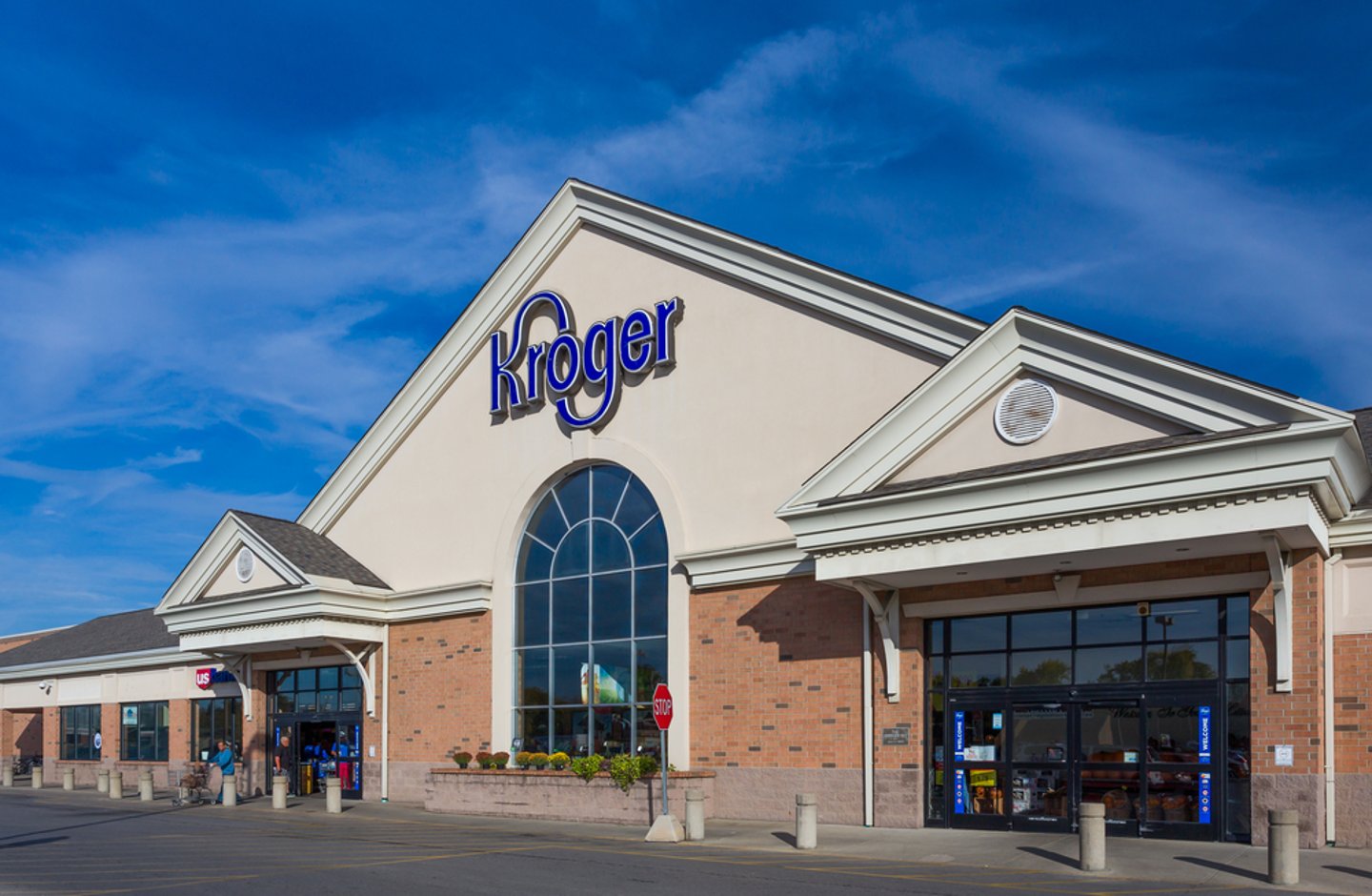
Tracking corporate taglines reveals how retail giants adapt to changing consumer habits. If you're looking at Kroger's messaging history, you'll find a century-old journey from single-store reliability to modern multi-channel positioning. The primary search intent behind exploring Kroger slogans is to understand the brand's chronological evolution, marketing shifts, and how specific taglines like "Fresh for Everyone" or "Let's Go Krogering" shaped customer loyalty.
Unlike quick phrase lookups, this history reflects broader shifts in American grocery retail. From Barney Kroger's founding philosophy to modern digital grocery delivery ecosystems, the company's slogans have always mirrored what shoppers value most: affordability, quality, and convenience.
The Foundation: Barney Kroger's Original Motto
The story of Kroger begins long before multi-million dollar television ad campaigns. In 1883, Barney Kroger invested his life savings to open a modest grocery store in Cincinnati, Ohio. His operating philosophy functioned as the company's very first brand slogan:
"Be particular. Never sell anything you would not want yourself."
This guiding principle wasn't crafted by an advertising agency. It was a strict merchant rule designed to build trust in an era when packaged goods lacked standard quality controls. By focusing on personal inspection of goods, fresh in-house baking, and fair pricing, the early enterprise anchored its reputation in reliability rather than catchy wordplay.
Mid-Century Shifts and Value-Driven Taglines
As grocery stores evolved into large-scale supermarkets through the mid-20th century, advertising required memorable hooks for print circulars, radio, and eventually television. Kroger shifted from localized merchant mottos to broader consumer-facing promises.
The Post-War Retail Expansion
During the expansion decades, taglines focused heavily on stretching household budgets. Post-war America saw rapid suburban growth, and supermarkets competed fiercely on price and inventory variety.
- "Low Prices Plus More": A staple phrase used during regional expansions to reassure shoppers that economy didn't mean sacrificing selection.
- "Right Store. Right Price": Designed to combat rising inflation concerns by positioning local branches as dependable, predictable neighborhood fixtures.
These phrases laid the groundwork for how the company would market itself during economic turbulence. They emphasized everyday utility over abstract brand lifestyle ideals.
Modern Brand Eras: From Value to Lifestyle
Entering the late 20th and early 21st centuries, grocery chains faced heavy competition from big-box retailers and warehouse clubs. Slogans evolved to capture emotional connection alongside price utility.
Let's Go Krogering
Introduced to create a sense of action and community routine, "Let's Go Krogering" transformed grocery shopping from a mundane chore into an active verb. The campaign used upbeat jingles and family-oriented commercials to build habitual foot traffic. It acknowledged that weekly shopping trips were social family outings, particularly as stores expanded into massive multi-department marketplaces.
More Value for the Way You Live
As lifestyles diversified in the 2000s, Kroger adopted "More value for the way you live." This shift acknowledged that "value" meant more than just cheap groceries. It meant saving time, offering organic options, and accommodating busy work schedules through expanded store footprints and fuel centers. You can explore more corporate milestones directly through The Kroger Co. History archive.
Fresh for Everyone
In late 2019, the company rolled out its most comprehensive modern brand overhaul with "Fresh for Everyone." Accompanied by the "Kroger Fresh Basket" logo featuring stylized customer characters known as "Kroger Homies," this campaign signaled a major pivot.
The strategy behind the tagline centered on three distinct commitments:
- Inclusivity: Moving away from elitist foodie culture to emphasize that fresh, quality food is for every shopper regardless of budget.
- Digital Integration: Bridging physical store aisles with seamless app-based ordering, curbside pickup, and delivery services.
- Private Label Growth: Highlighting exclusive in-house lines like Simple Truth and Private Selection as premium yet affordable alternatives to name brands.
Comparing Historical vs. Modern Taglines
To see how the brand vocabulary shifted across eras, consider the core focus of each generational slogan:
- 1883 (The Founder Era): Focused on personal integrity and product standards. Example: “Be particular.”
- Late 20th Century (The Supermarket Era): Focused on financial savings and operational reach. Example: “Your total value leader.”
- 21st Century (The Digital & Lifestyle Era): Focused on emotional inclusion, convenience, and health. Example: “Fresh for Everyone.”
For a deeper dive into retail branding shifts, see Wikipedia's Kroger Overview.
Common Misconceptions About Retail Slogans
Many casual observers assume major retail taglines change every single year. In reality, grocery store messaging remains stable for long stretches because brand recognition relies on repetition. When a company changes its primary tagline—such as moving from value-centric phrasing to fresh-centric positioning—it usually signals a massive corporate pivot, like a multi-billion dollar digital investment or a redesign of store layouts nationwide.
Another frequent mix-up involves confusing regional subsidiary slogans with the corporate parent line. Because the enterprise grew aggressively through mergers—incorporating banners like Fred Meyer, Ralphs, Harris Teeter, and Smith's—local branches often ran distinct regional promotions alongside national ad campaigns.
Frequently Asked Questions
What is Kroger's current official slogan?
The active primary corporate slogan is "Fresh for Everyone," which replaced older cost-focused taglines to emphasize accessibility, healthy eating, and inclusive brand values.
Did Barney Kroger write the first slogan?
Barney Kroger didn't write a formal marketing slogan, but his personal business motto—“Be particular. Never sell anything you would not want yourself”—functioned as the company's foundational creed when it opened in 1883.
Why do grocery stores change their taglines?
Grocers update taglines to signal shifts in consumer priorities. While 20th-century ads focused almost entirely on low prices, modern campaigns emphasize omnichannel convenience, digital shopping apps, and fresh organic food access.
How long was "Let's Go Krogering" used?
"Let's Go Krogering" served as one of the company's most recognizable long-running advertising campaigns through the late 1990s and early 2000s, successfully building a catchy, habitual routine around weekly shopping trips.


