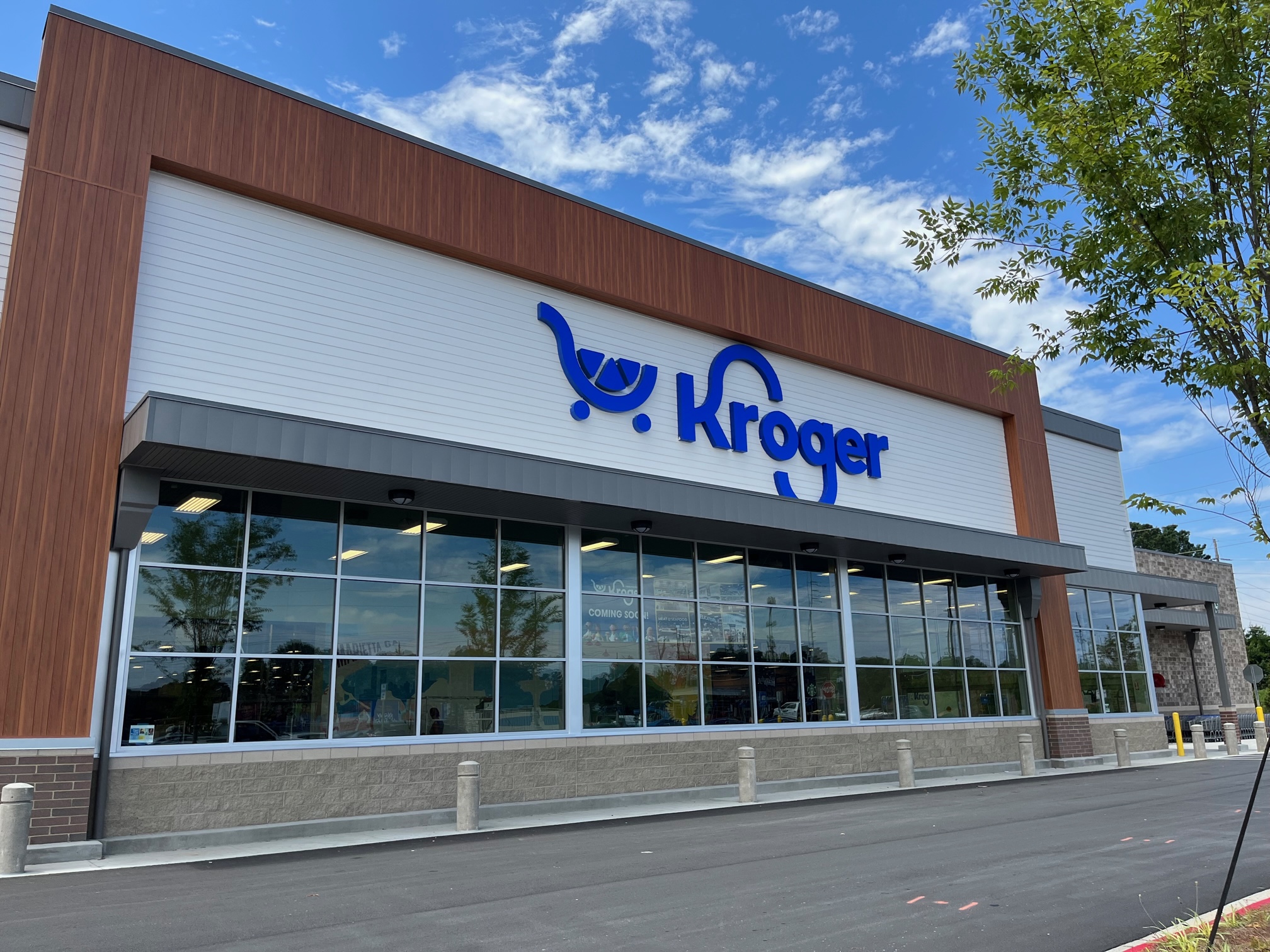
Navigating a Kroger Marketplace means stepping into a retail hybrid that stretches far beyond standard grocery aisles. These massive locations combine a full-scale supermarket with an expansive department store, housing everything from fresh produce to home furniture, apparel, and electronics under one roof. If you've only ever visited a standard neighborhood grocery branch, walking into a Marketplace setup can feel overwhelming without a clear map of what to expect.
Understanding how these giant stores operate saves time, prevents endless wandering, and helps you maximize savings through The Kroger Co. Corporate Site. Rather than driving to multiple strip mall stops for clothes, home goods, and weekly meal ingredients, shoppers use these super-sized footprints to cross off entire household checklists in a single trip.
What Sets a Kroger Marketplace Apart from Regular Stores
Standard grocery locations focus primarily on food, beverages, pharmacy needs, and basic household consumables. A Kroger Marketplace expands that footprint significantly, typically measuring around 100,000 to 123,000 square feet.
You won't just find cereal and fresh meat here. These stores incorporate dedicated lifestyle departments that stock furniture, kitchen appliances, bed and bath linens, toys, seasonal patio gear, and apparel for the whole family. Think of it as a regional hypermarket designed to compete directly with supercenters like Target or Walmart, while maintaining the signature grocery brands and rewards programs loyal customers already use.
Core Departments Inside the Building
Because of the massive square footage, these stores are organized into distinct zones. Knowing where things live prevents frustrating backtracking across polished concrete floors.
Fresh Foods and Grocery Aisles
The grocery core remains the busiest part of the building. You'll find expanded organic selections, extensive natural foods, and full-service meat and seafood counters. The bakery and deli sections often feature specialized artisan items, custom cake decorating, and fresh-prepared meal options from brands like Home Chef.
General Merchandise and Home Goods
Moving past the milk and eggs brings you into the non-grocery wings. This area resembles a specialty department store:
- Apparel: Everyday clothing basics, shoes, and seasonal accessories for men, women, and children.
- Home and Kitchen: Small appliances, cookware sets, bedding, bath towels, and home decor pieces.
- Toys and Electronics: Board games, outdoor play equipment, action figures, and basic consumer electronics or tech accessories.
- Outdoor Living: Patio furniture, gardening supplies, grilling gear, and extensive seasonal holiday displays.
Specialty Services
Beyond retail goods, these locations house localized services to centralize errands. Most feature an in-store Starbucks, a full-service pharmacy with clinical consultation spaces, optical centers, financial services desks for check cashing or bill pay, and fuel centers stationed right outside in the parking lot.
Practical Shopping Strategies for Large Layouts
Walking into a 120,000-square-foot store without a plan usually results in impulse buys and aching feet. Smart shoppers treat these visits with specific tactics.
Always check the official Kroger Store Locator before leaving home to confirm whether your nearest branch is a true Marketplace or a standard combo store. Not all locations carry the full furniture and apparel lines.
Download the mobile app before you walk through the sliding doors. Because aisles are long and sectioned off, use the app's in-store map feature to search for specific items. It pinpoints the exact aisle number, saving you from hunting down a busy associate.
Stick to a strict perimeter strategy if you're only shopping for weekly meals. The center-store general merchandise wings are engineered to catch your eye with displays of home decor and seasonal gadgets. If you're on a budget, bypass those wings entirely unless you have specific non-grocery items on your list.
Common Mistakes to Avoid
Many shoppers run into avoidable hurdles when visiting these super-sized locations for the first time.
Don't treat it like a quick five-minute milk run. Parking lots are large, the walk from the car to the correct department can take several minutes, and checkout lines during peak weekend hours get long. Give yourself adequate time.
Don't skip digital coupons thinking they only apply to groceries. The digital savings loaded onto your Shopper's Card frequently apply to home goods, apparel, and seasonal items found in the marketplace wings. Always scan your app at checkout or enter your alternate ID to capture those markdowns.
Avoid shopping during peak Saturday afternoon rushes if you need assistance in specialty departments like electronics or home goods, where staffing levels can stretch thin over large floor plans.
Frequently Asked Questions
Do all Kroger locations have a Marketplace format?
No. Kroger operates multiple store formats, including traditional supermarkets, smaller neighborhood stores, and large multi-department Marketplaces. You must check local listings to see which format operates in your neighborhood.
Can I return general merchandise items to the customer service desk?
Yes. The central customer service desk handles returns for both grocery items and general merchandise like clothing or small electronics, provided you bring your receipt within the standard return window.
Are prices higher at a Marketplace compared to a regular grocery store?
Grocery pricing on food items remains consistent across formats within the same regional division. However, general merchandise pricing competes directly with other big-box retailers, meaning you'll often find competitive markdowns on home goods and seasonal decor.
Can I use my fuel points earned on clothing and home goods?
Yes. Every dollar spent on general merchandise, apparel, and home goods inside a Marketplace earns fuel points toward discounts at the pump, exactly like your grocery purchases.


: Complete Survey Guide and Rewards](https://www.simpleeverydaymom.com/wp-content/uploads/2023/10/Pilgrim-Photo-Craft-for-Thanksgiving-image-559x1024.jpg)