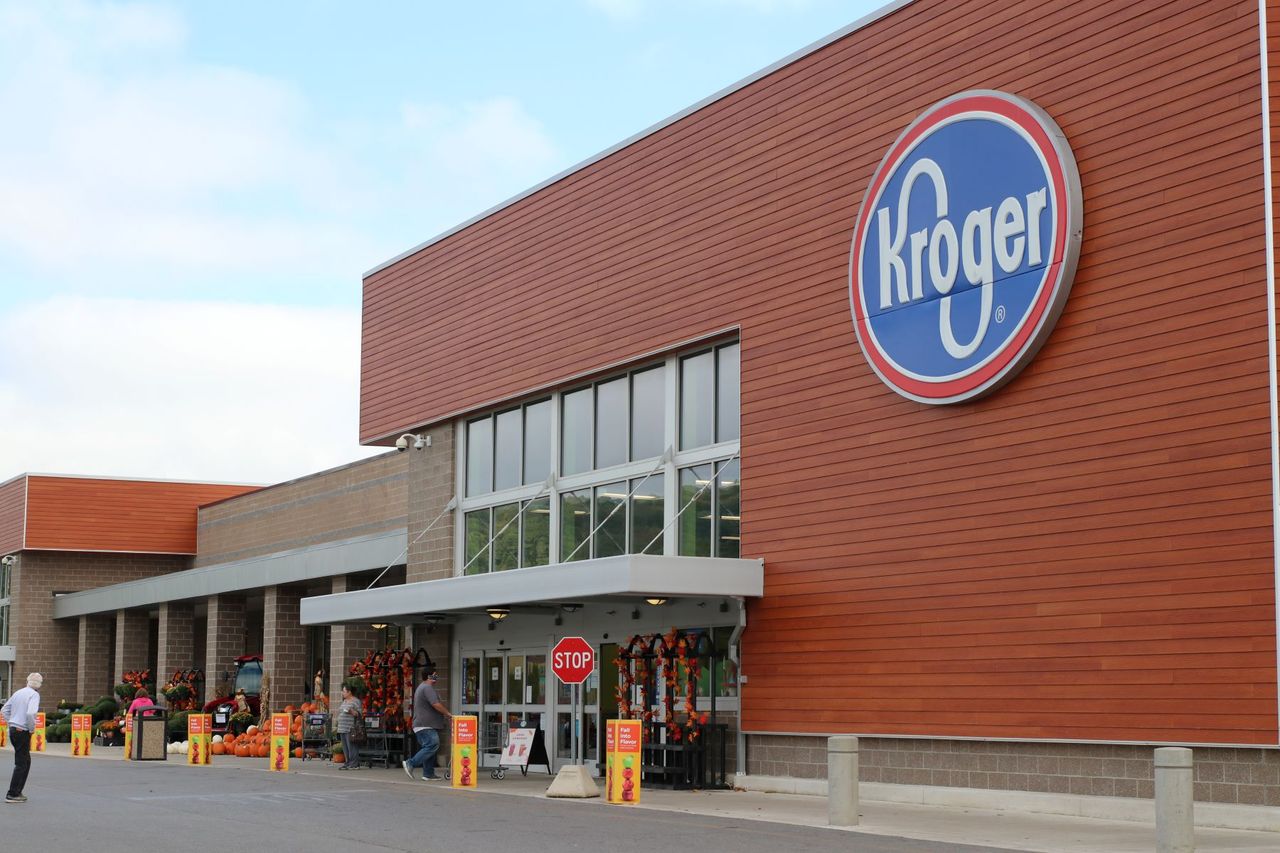
Navigating retail compensation requires looking past baseline hiring figures to understand how hourly pay structures actually function in practice. Kroger hourly wage structures vary significantly depending on geographic region, job classification, tenure, and local collective bargaining agreements negotiated by organizations like the United Food and Commercial Workers. While entry-level store roles generally start between $12 and $15 per hour, total earnings shift upward over time due to scheduled step increases and structured union raises.
Understanding how compensation scales across different departments helps job seekers and current employees evaluate their earning potential. The reality of retail pay involves balancing base hourly rates against hours worked, benefit deductions, and periodic contract renewals that reshape store-level economics.
Average Pay Rates Across Common Kroger Roles
Hourly compensation at Kroger depends heavily on the specific responsibilities assigned to each position. Front-end and entry-level roles typically command lower starting rates, whereas specialized departments require specific skills or certifications that justify higher pay scales.
- Baggers and Courtesy Clerks: These positions usually represent the entry tier, starting near minimum wage or around $11 to $13 per hour. Responsibilities focus on customer service, cart retrieval, and bagging groceries.
- Cashiers: Cashiers handle point-of-sale transactions and direct customer interactions, with starting wages generally hovering between $12 and $14 per hour, scaling upward with tenure.
- Stockers and Grocery Clerks: Night stockers and general merchandise clerks often earn slightly more than front-end staff, averaging $13 to $16 per hour, with overnight shifts occasionally carrying modest shift differentials.
- Department Specialists: Cake decorators, meat cutters, and certified pharmacy technicians occupy skilled tiers. These roles routinely command $16 to $22 per hour based on prior experience and internal certifications.
The Role of Union Contracts and Collective Bargaining
A substantial percentage of Kroger's workforce operates under collective bargaining agreements negotiated with the United Food and Commercial Workers (UFCW) union. These contracts dictate wage floors, annual step increases, healthcare contributions, and scheduling protections. More journalism by Bloomberg delves into related perspectives on this issue.
Union contracts prevent arbitrary pay freezes by establishing guaranteed wage increments over multi-year terms. For example, regional contract ratifications often secure immediate hourly bumps alongside incremental raises distributed across the life of the agreement. Employees in unionized stores also benefit from formalized grievance processes regarding wage discrepancies or missed promotional pay adjustments.
However, union membership involves regular dues deducted from paychecks. Workers must weigh these monthly costs against the structural job security, negotiated health benefits, and predictable pay scales guaranteed by the contract.
Geographic Variations and Cost of Living Adjustments
Kroger operates stores across numerous states under various banners, meaning local labor markets heavily influence pay scales. Urban centers or states with higher minimum wage laws naturally feature higher starting rates than rural locations.
- High-Cost Metropolitan Areas: Stores located in states like California or parts of the Pacific Northwest often feature starting wages several dollars above the federal baseline to match local living expenses.
- Midwestern and Southern Markets: Regions with lower living costs typically feature starting rates closer to the $12 to $14 range, though active local union chapters frequently lobby for accelerated step scales during contract renewals.
Local adjustments ensure that stores remain competitive against rival regional and national grocery chains vying for the same retail talent pool.
Advancement Pathways and Tenure-Based Increases
Moving past the starting wage requires understanding how Kroger structures internal promotions and merit or tenure-based pay bumps. Most hourly positions rely on a step-progression system where employees receive small hourly increases after completing specific milestone hours or service anniversaries.
Transitioning from a part-time cashier to a lead clerk or department supervisor introduces higher pay bands, often moving workers into the $18 to $23 per hour bracket. Management pipeline programs also provide hourly workers a clear route toward salaried assistant store manager roles, though these positions require significantly higher time commitments and operational accountability.
Common Mistakes When Evaluating Retail Compensation
Applicants often miscalculate their true take-home pay by looking exclusively at the headline starting wage advertised on job boards.
- Ignoring Benefit Valuations: Total compensation includes health insurance, retirement contributions, and paid time off. A slightly lower hourly wage paired with comprehensive union-backed health benefits can outweigh a marginally higher wage at a non-union competitor.
- Overlooking Scheduling Consistency: An hourly rate means little if guaranteed weekly hours fluctuate. Securing a stable schedule with predictable shifts matters as much as the nominal pay rate.
- Failing to Track Step Increases: Many new hires assume their initial pay rate is permanent. Reviewing the local employee handbook or union contract reveals exactly when mandatory wage steps occur.
Frequently Asked Questions
How often do Kroger hourly employees get a raise?
Raises typically occur annually based on union contract step schedules or after completing designated operational hours. Performance reviews can also trigger incremental adjustments, depending on store leadership and local policy.
Do part-time Kroger workers qualify for wage increases?
Yes, part-time employees generally follow the same step-progression and contractual raise timelines as full-time staff, though total accumulated hours may influence the speed at which hourly milestones are reached.
Are overnight stocking shifts paid more?
Many Kroger locations offer a small shift differential for overnight or early morning stocking shifts to compensate for irregular hours, though the exact premium varies by regional management and local union agreements.
How does Kroger's pay compare to other supermarkets?
Kroger's starting wages are often comparable to competitors like Walmart, though specialized discount grocers like Aldi or warehouse alternatives may advertise higher baseline hourly rates. However, Kroger's widespread union representation provides distinct structural protections that some non-union competitors lack.



